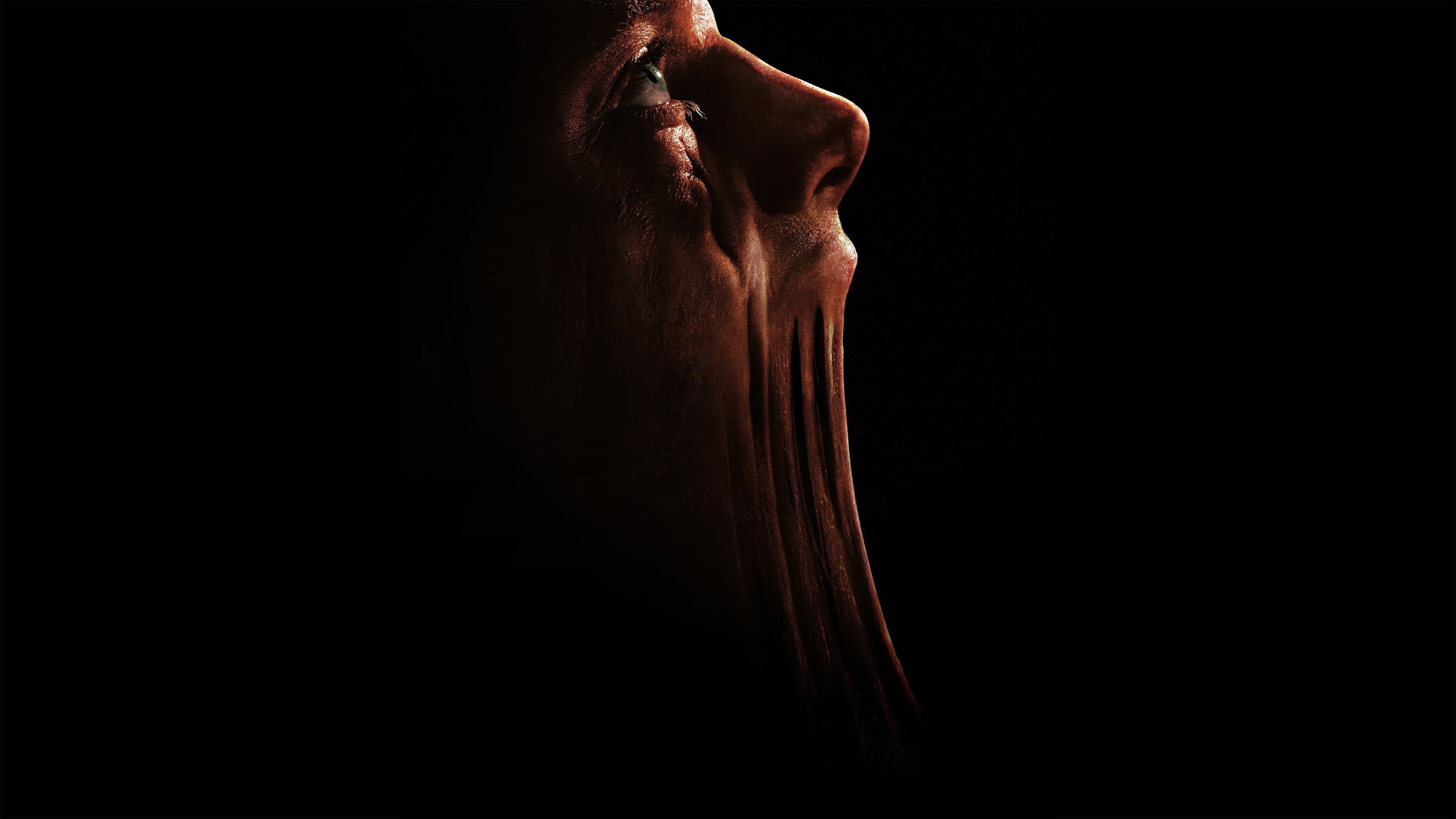
The microscopic universe beneath our feet has never looked this monumental. On August 29, 2026, Hollywood Buzz News is turning its gaze downward - way downward - for the release of Elytrae, a 45-minute documentary that ditches the usual blockbuster bombast for something far quieter, far stranger, and frankly, far more beautiful. This isn’t a nature special with a celebrity narrator telling you how to feel. This is a cinematic plunge into a world where the grass is a sky, a dewdrop is an ocean, and the little beings living amidst the blades are the undisputed titans of their realm.
Release Date & Where to Watch
Mark your calendars for today, August 29, 2026. Elytrae arrives with the quiet thud of a precisely timed art-house drop, but don't let its modest runtime fool you - this is a piece of Hollywood craft through and through. The film is being distributed primarily through select arthouse theaters in major metropolitan areas, with a simultaneous premium video-on-demand release on all major digital platforms. If you’re in Los Angeles, New York, Chicago, or Austin, you have the best shot at catching it on the big screen, which is genuinely the way to see it. The visual texture of this film demands a projector’s glow; the fine grain and the shallow depth of field simply won’t translate to a phone screen without losing their soul. For the rest of us, the VOD rental is live at midnight, and the digital purchase price sits at a standard $14.99. Do not expect a wide theatrical rollout - this is a boutique experience, and its distribution strategy reflects that, favoring intimacy over spectacle. Check your local indie cinema’s listing, or just settle in at home with your best headphones on, because the sound design here is half the story.
Cast & Crew
Here’s the twist: there is no cast. Not a single credited actor, voice-over artist, or talking-head expert appears in Elytrae. The “cast” is entirely comprised of the titular elytrae - the little beings themselves - shot in their unscripted, uncoached glory. This is a bold choice, and one that director Amin Shakuri leans into with total confidence. Shakuri, whose previous work in experimental short-form nature films has earned him a cult following in documentary circles, operates here as both director and lead cinematographer. He spent, by his own account, “fourteen months lying on his stomach in a single meadow” to capture the footage. The crew is similarly lean: a field recordist who captured the surprisingly percussive soundscape of insect movement, and a single editor who shaped over 200 hours of raw material into this taut 45-minute sprint. The lack of a credited cast means no stars, no red-carpet moments, and no awards-bait performances - but it also means zero interference with the subject matter. Shakuri’s lens is the only human presence, and even that feels like a distant, reverent observer. For those who care about the technical credits, the film’s color grading is a quiet achievement, shifting from dawn’s cool blues to noon’s harsh whites and finally to a dusk that feels like molten gold.
Story & What to Expect
There is no plot in the conventional sense, and that’s precisely the point. Elytrae is a day-in-the-life chronicle, but the “life” belongs to a community of beetles, ants, and other tiny arthropods that most of us trample without a second thought. The film unfolds in a loose three-act structure: morning, noon, and night. It opens with the emergence of dew, each droplet catching light like a crystalline chandelier, and immediately immerses you in a scale that disorients. A single blade of grass becomes a skyscraper; a fallen leaf is a continent. Shakuri’s camera moves with an almost liquid fluidity, often at ground level, giving you the perspective of a creature for whom a gust of wind is a hurricane. The “story” emerges organically - a beetle fights a rival over a crumb of pollen, an ant colony engineers a bridge across a pebble, a caterpillar molts in a sequence that feels like a slow-motion horror film. There’s no narration, no explanatory chyron, no music swell to signal emotional beats. Instead, Shakuri relies on pure visual storytelling and the raw, amplified sounds of the environment: the crunch of exoskeletons, the rhythmic tapping of legs, the distant rumble of what might be a lawnmower - a terrifying god-like roar from beyond the meadow.
What makes Elytrae so disarming is its refusal to anthropomorphize. These aren’t cute, Pixar-esque characters with relatable struggles. They are alien, alien in their biology and behavior, yet Shakuri’s framing invites a strange, almost profound empathy. When a ladybug, its elytra (the hardened wing cases that give the film its title) unfolding in a delicate, origami-like sequence, takes flight for the first time, you feel a rush of vertigo and triumph. The documentary’s brevity is its greatest asset. At 45 minutes, it never overstays its welcome, delivering a concentrated dose of wonder that leaves you breathless rather than bored. Expect no twists, no reveals, no talking heads. Just pure, unfiltered, tiny-scale drama that somehow feels epic. It’s a meditative watch, but far from a passive one - your brain will work overtime recalibrating your sense of proportion.
Why It's Worth Watching
In a summer dominated by superhero sequels and CGI-laden franchises, Elytrae is a radical act of cinematic minimalism. This is a documentary that trusts its audience entirely, offering no hand-holding, no familiar structure, and no famous faces to lean on. And yet, it delivers something rarer than spectacle: genuine perspective. Watching these little beings navigate their world, you walk away feeling both humbled and enormous. It’s a film that recalibrates your relationship with the natural world, making you reconsider the next patch of grass you walk past. Amin Shakuri has crafted a work of pure, unadulterated observation that borders on the spiritual. The 45-minute runtime is a blessing, making it a perfect lunch-break escape or a late-night palate cleanser. Critics may argue that it’s too thin, too quiet, too slight - but those critics would be missing the point. Elytrae isn’t a film you watch; it’s a film you inhabit. It’s a tiny, perfect gem that reminds us that Hollywood’s biggest stories don’t always need the biggest budgets - sometimes, they just need the smallest eyes. Whether you’re a nature doc devotee or a skeptic who needs explosions to stay awake, give Elytrae twenty minutes of your attention, and you’ll likely find yourself staying for the entire forty-five. It’s not a movie about bugs. It’s a movie about the vast, unseen worlds that exist right under our noses, and it’s one of the most quietly audacious releases of the year.