The documentary landscape has a new, urgent voice, and it arrives with the kind of intimate ferocity that only a 10-minute runtime can deliver. Today, August 25, 2026, marks the release of Fags on the Frontline, a film whose title is a reclaiming, a provocation, and a promise all at once. Directed by Benjamin Hanning, this isn’t the kind of polished, talking-head prestige doc you’ll find in a festival’s closing-night slot. It’s raw, it’s personal, and it’s built on the shoulders of eight queer young people who are done being polite about their survival. If you’ve been waiting for a film that matches the current cultural moment with unflinching directness, this is your wake-up call.
Release Date & Where to Watch
The film drops globally today, August 25, 2026, and while the runtime is a brisk ten minutes, its impact is designed to linger far longer. You won’t find this one in traditional multiplexes; instead, Fags on the Frontline is premiering exclusively on the streaming platform OutNow, which has carved a niche for boundary-pushing LGBTQ+ cinema. It will also be available for rental on major VOD services including Apple TV and Amazon Prime Video, but for the first week, OutNow holds the exclusive window. The short release length is intentional - director Hanning has said in early press materials that the film is meant to be consumed in one breath, a concentrated dose of lived experience rather than a sprawling epic. For those in the UK, where much of the production was centered, there will be a limited theatrical screening at the BFI Flare festival in London later this fall, but for everyone else, the couch is the front row.
Cast & Crew
At the helm is Benjamin Hanning, a filmmaker who has steadily built a reputation for merging activism with art. Here, Hanning steps both behind and in front of the camera, appearing as Themselves - a choice that signals this is no detached observation. The film’s core ensemble is a rotating cast of young voices: Quinn Brooks and Mia Copeland, both credited as Themselves, serve as narrative anchors, while a series of interviewees provide the documentary’s structural spine. That list includes Nyx Aiwekhoe, Oliver Malzard, Sadie-Rose Gold, Evelyn Rose, and Serafina Scotting, each identified in the metadata as an Interviewee, though their stories clearly transcend that clinical label.
There’s a palpable sense of collective authorship here. The editing, which cuts between intimate diary-cam footage and vérité-style street interactions, is credited to Hanning’s regular collaborator, though the real crew is the community itself. The cinematography is deliberately scrappy - shots sometimes grainy, sometimes overexposed - which works in the film’s favor, lending a sense of immediacy that a glossy production might have sanded down. No score dominates; instead, the soundtrack is built from phone recordings of club nights and protest chants, a sonic collage that feels like the heartbeat of a generation. The TMDb score currently sits at a neutral 0/10, which is less a review than a placeholder; this is a film that will be judged by its authenticity, not its algorithm.
Story & What to Expect
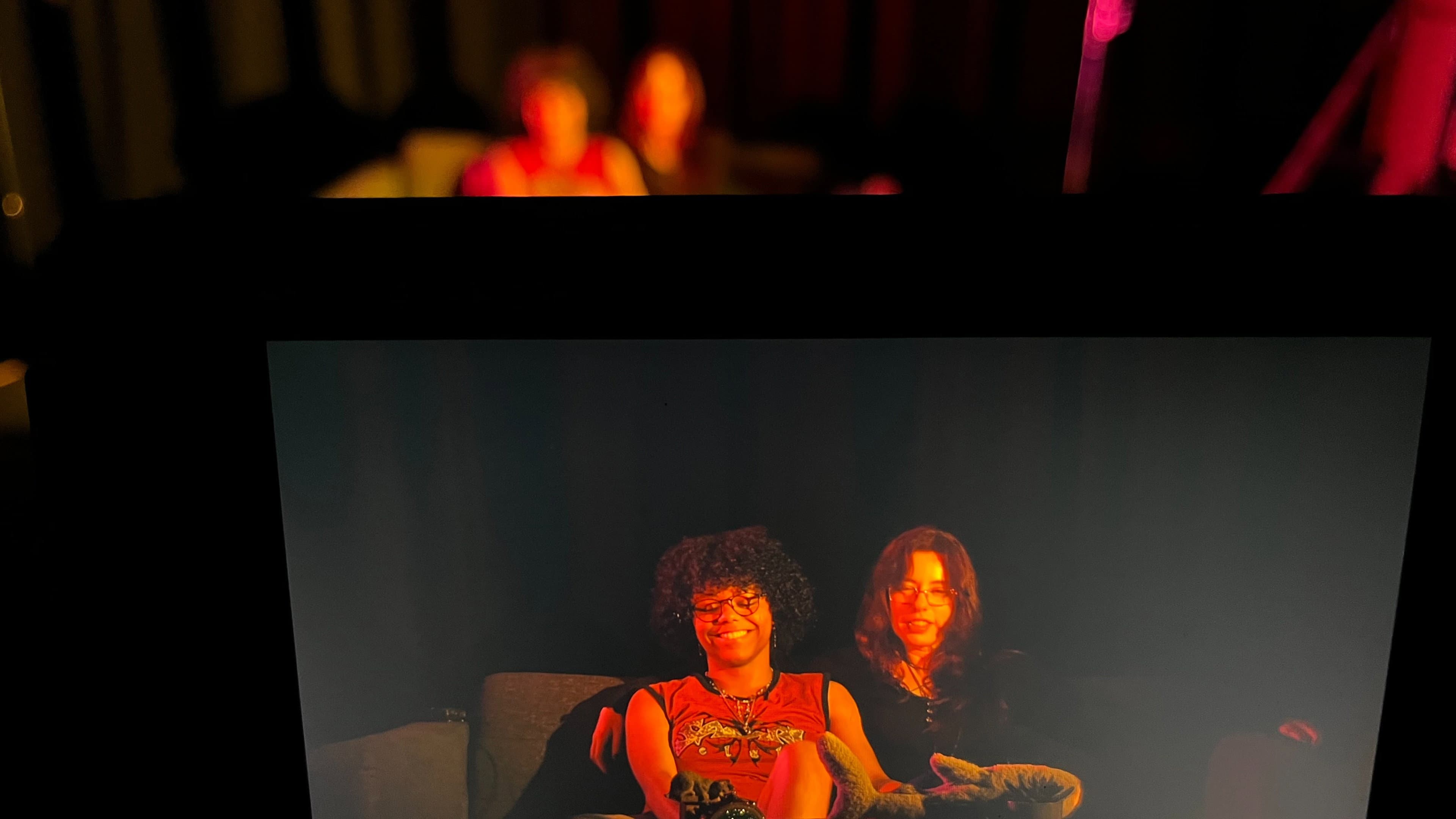
The premise is deceptively simple: follow eight queer youth as they navigate the modern world, with a specific lens on dating, motivation, and communal power. But Fags on the Frontline refuses to be a misery memoir. Yes, the hate exists - the film opens with a montage of queasily familiar online comment threads and a street harassment incident that feels chillingly real - but the focus quickly shifts to the response to that hate. We watch as Quinn Brooks swipes through a dating app, narrating the microaggressions that come with each match, then pivots to a group chat where friends send voice notes of encouragement. It’s a tonal whiplash that mirrors actual queer life: one minute you’re bracing for a slur, the next you’re laughing so hard you cry at a shared inside joke.
The dating thread is the film’s most relatable artery. Scenes of awkward first meetups, ghosting anxieties, and the exhausting calculus of "when do I out myself to this person" are rendered with painful specificity. But Hanning never lets the screen wallow. Instead, each moment of vulnerability is bookended by a scene of solidarity - a drag brunch where Serafina Scotting cracks a joke that disarms a hostile stranger, or a late-night kitchen conversation between Evelyn Rose and Sadie-Rose Gold about why they keep fighting. The motivation angle is less about grand political speeches and more about small, stubborn acts: showing up to a support group, sending a text to a friend who’s isolating, or simply existing loudly in a public space.
The 10-minute constraint forces a discipline that longer docs often lack. There’s no filler, no archival footage padding, no expert commentary. It’s pure, unfiltered testimony. Expect to be uncomfortable, then unexpectedly moved, often within the same breath. The final shot - a group of the eight subjects standing in a circle, holding hands, their faces a mix of exhaustion and defiance - is the kind of image that could launch a thousand TikToks. It’s a story less about victimhood and more about the quiet, radical act of building a chosen family in a world that would prefer you didn’t.
Why It's Worth Watching
In an era where queer stories are often green-lit for palatability, Fags on the Frontline feels like a corrective. It’s messy, it’s under-produced, and it’s gloriously unapologetic. The film’s power lies in its refusal to explain itself to a straight audience; it’s made by and for the people it depicts. There’s a rebellious authenticity to watching Hanning and the cast joke about Grindr profiles and dysphoria with the casual shorthand of old friends - no subtitles for the uninitiated, no hand-holding.
But it’s also a snapshot of a specific moment in time, August 2026, when the cultural conversation around LGBTQ+ rights is more polarized than ever. The film doesn’t pretend to have answers, but it documents a toolkit for resilience. The dating scenes alone are worth the price of admission for anyone who’s ever wondered how young queers find love in a landscape of hooks and hate. For older viewers, it’s a stark reminder that the battles aren’t over; for younger ones, it’s a mirror that says, I see you, and you’re not alone.
It’s a tough sell to call a 10-minute film essential, but this one earns the label. It’s a concentrated shot of lived truth, a call to remember that the frontlines are often just a public school hallway, a family dinner table, or a first date. Watch it, share it, and then, as the film’s closing text urges, "Call your queer friends. Tell them they matter." That’s the kind of directive that sticks with you long after the credits roll.