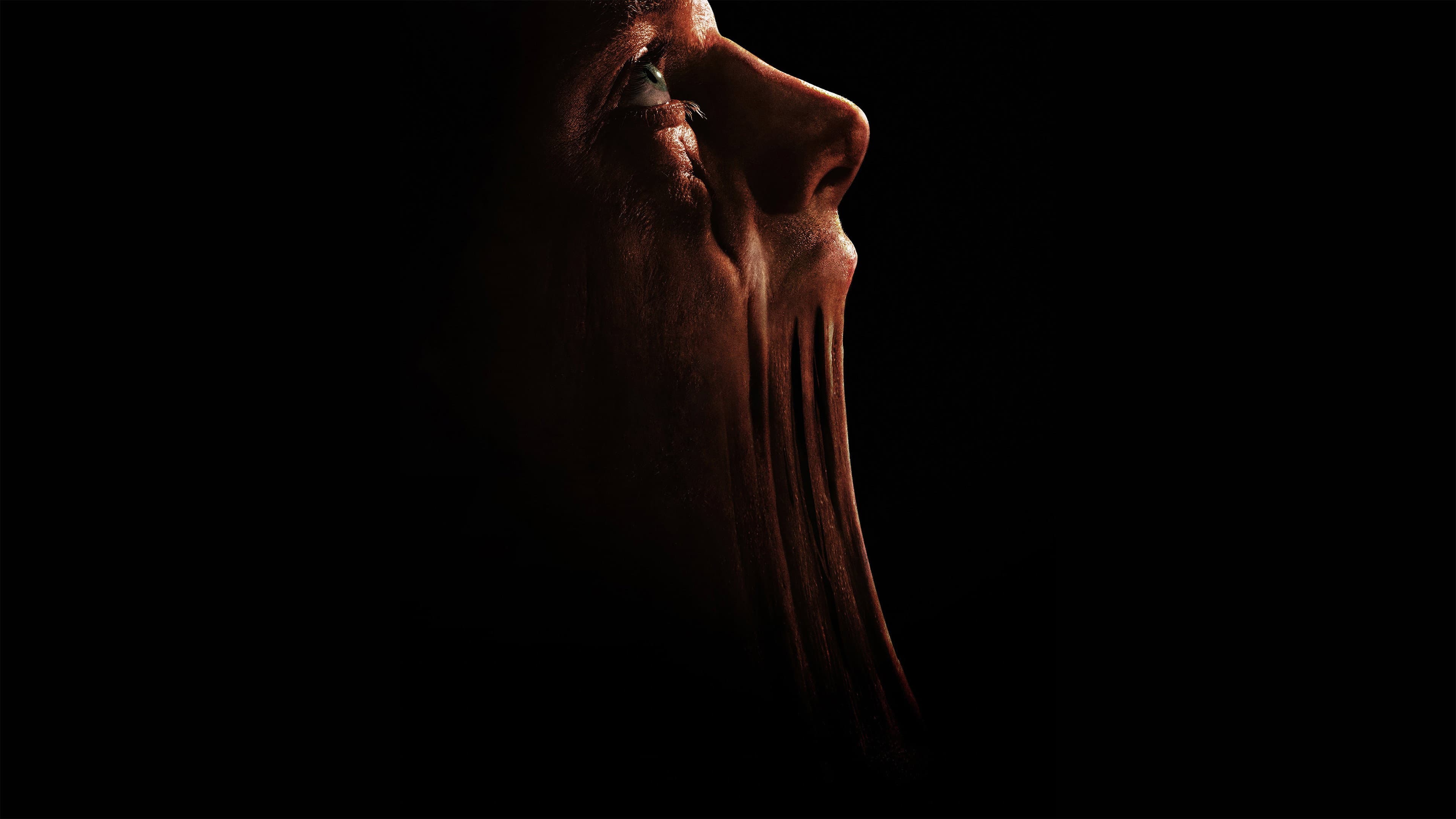
The most terrifying thing about Family, Benjamin Finkel's new drama-horror hybrid, isn't the thing lurking in the shadows of the family home. It's the idea that the shadows might be the least of Johanna's problems.
The film, which opened in theaters September 25, introduces us to Johanna (Cameron Dawson Gray), a 10-year-old girl who has come to a horrifying conclusion: her parents are trying to kill her. Not metaphorically. Not in the way all children occasionally suspect their parents of conspiring against them. Johanna believes it with the bone-deep certainty that only a child can muster, and her conviction sets the film on a course that blurs the line between psychological breakdown and supernatural siege.
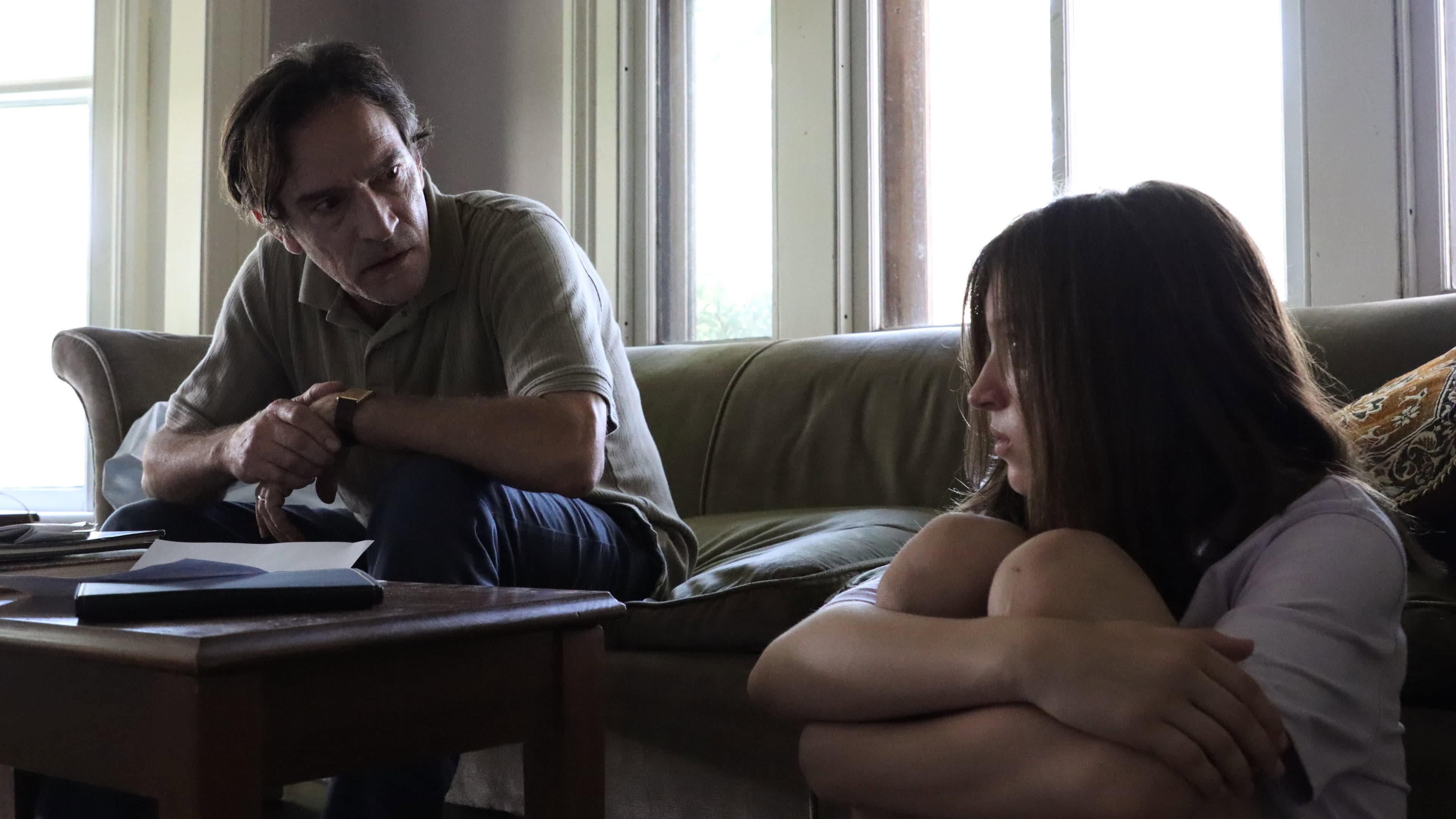
Ruth Wilson and Ben Chaplin star as Naomi and Harry, Johanna's parents, who find themselves trapped in a nightmare they can't name. They're not villains, at least not in any conventional sense. They're exhausted. They're distracted. They're the kind of parents who forget things, who say the wrong thing, who retreat into their own private struggles when they should be paying attention. And in Finkel's hands, those ordinary failures of adulthood become the raw material for something far more sinister.
"Benjamin has this remarkable ability to take the mundane details of domestic life - a locked door, a whispered conversation, a late-night trip to the kitchen - and make them feel like evidence," Wilson said in a recent interview. "The horror doesn't come from nowhere. It comes from the fact that you can't prove it isn't real."
That ambiguity is the engine of Family. The film never tips its hand, never gives the audience the satisfaction of knowing whether Johanna is gifted with a terrible insight or cursed with a terrible imagination. Instead, it invites us to see the world through her eyes, where the creak of a floorboard is a footstep, where a parent's sigh is a threat, where every ordinary gesture is freighted with meaning.
Finkel, making his feature debut after a decade of acclaimed short films, has said he drew on his own childhood anxieties. "I was a nervous kid," he admitted. "I spent a lot of time convinced something was wrong, and the worst part was that no one would take me seriously. That's the feeling I wanted to capture. That sense of being alone with your fear, of knowing something everyone else refuses to see."
The film's visual language reflects that isolation. Finkel and cinematographer Marta Nowak shoot much of the film from Johanna's height, the camera low to the ground, the adult world looming above her like a pack of giants. When she retreats into her fantasy world - a darkly ornate landscape inhabited by a figure known only as The Children's Devil (Ryan Lucy) - the film shifts into something more expressionistic, its colors deepening, its geometry becoming strange.
But the heart of Family is its performances. Cameron Dawson Gray, in her first major role, delivers a turn that is by turns fragile and ferocious. She doesn't play Johanna as a victim. She plays her as a witness, a child who has seen something she can't explain and won't pretend otherwise. It's a performance that could have tipped into melodrama, but Gray keeps it grounded, her terror all the more affecting for how ordinary it feels.
Wilson and Chaplin, meanwhile, do something trickier. They have to play parents who are both sympathetic and suspicious, who love their daughter and might, possibly, be capable of hurting her. It's a balancing act that requires them to resist easy answers, to let the audience see the cracks without ever confirming what lies beneath.
"Ruth and Ben understood that the film lives in the space between what you know and what you fear," Finkel said. "They never tried to resolve that tension. They let it breathe."
Allan Corduner and Beau McConnell round out the cast as figures from Johanna's world who may or may not be part of her delusion. The film refuses to clarify their roles, just as it refuses to clarify so much else. That refusal has divided early audiences, some of whom have found the ambiguity exhilarating and others frustrating. But for Finkel, that's the point.
"Life doesn't come with a third act that explains everything," he said. "I wanted to make a film that respects the intelligence of its audience, that trusts them to sit with their questions. The horror isn't in the answer. It's in the not knowing."
Family is in theaters now.