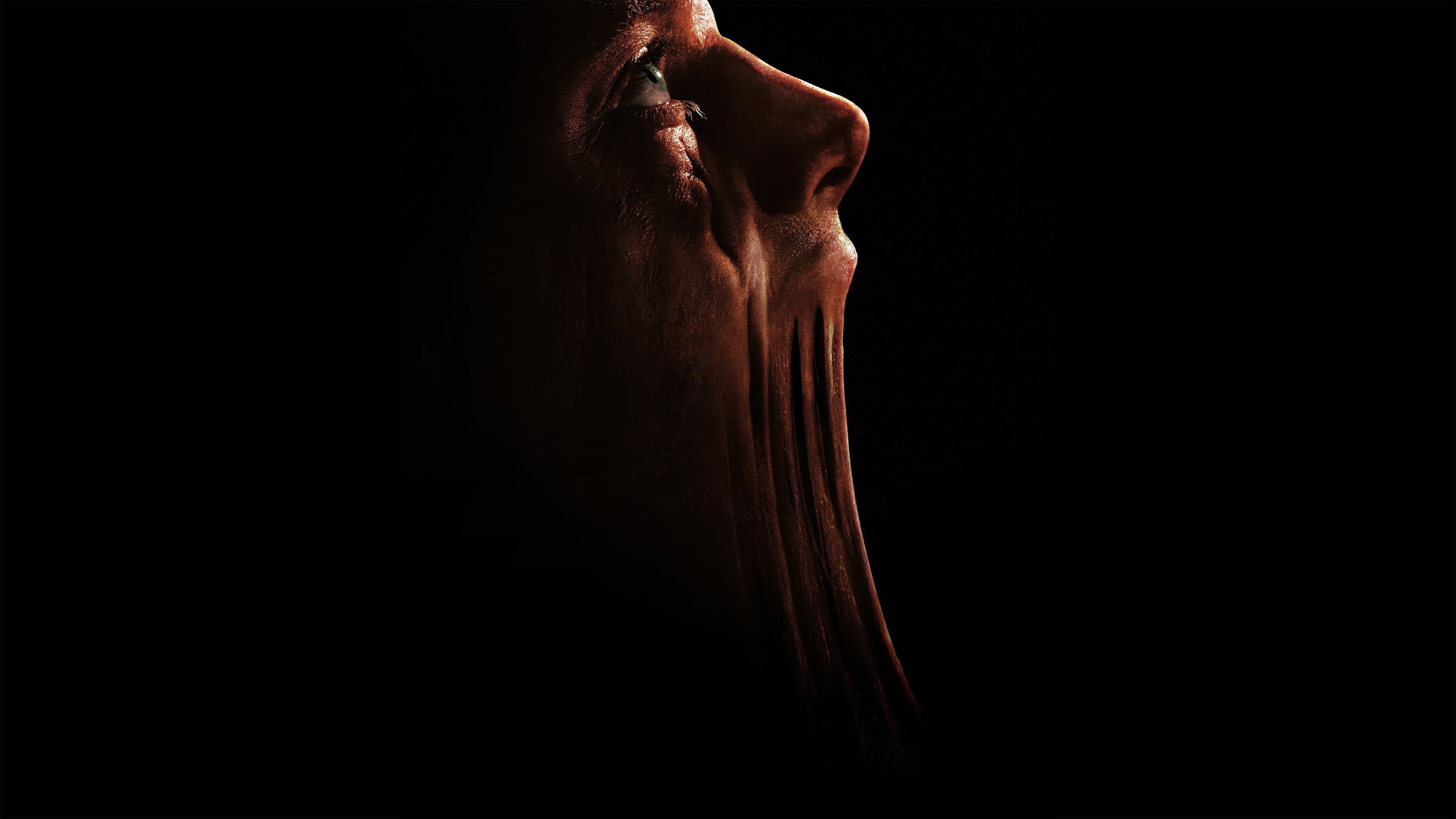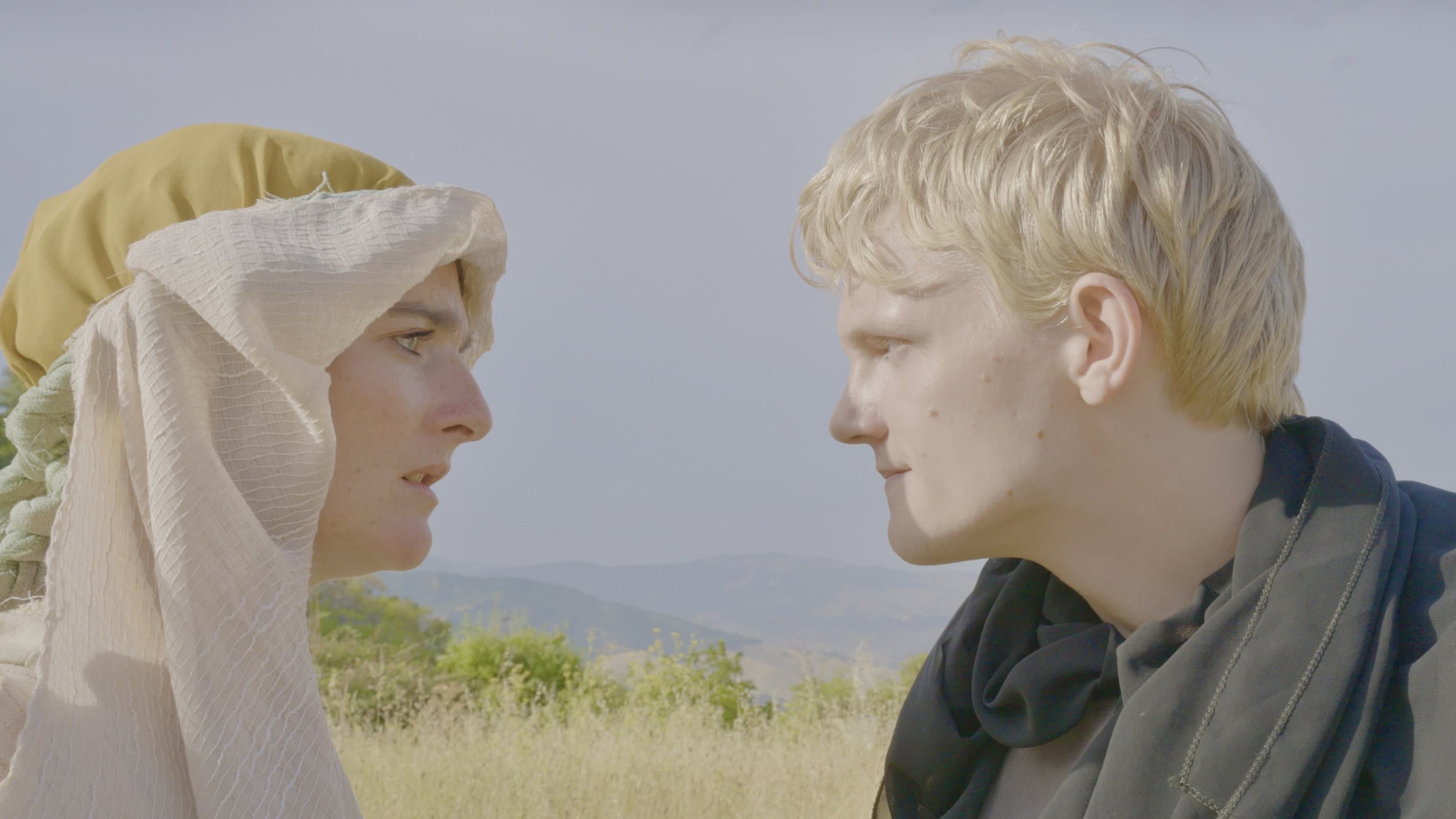
The biblical epics of Hollywood’s golden age were grand, sprawling, and unapologetically reverent. But the landscape of faith-based cinema has shifted, and the new short film Fear The Lamb arrives on August 30, 2026, with a premise that feels less like a Sunday school lesson and more like a cosmic thriller. Clocking in at a startlingly lean seven minutes, this is not your grandfather’s passion play. It’s a psychological confrontation set in the immediate, breathless hours after the resurrection, and it flips the script by putting the antagonist front and center.
Release Date & Where to Watch
Mark your calendars for today, August 30, 2026. Fear The Lamb is not getting a traditional wide theatrical rollout; instead, it’s premiering as a prestige streaming release, available exclusively on major digital platforms. Given its seven-minute runtime, this is a piece designed for maximum impact in a single sitting - ideal for the algorithm-driven age of short-form storytelling. It’s a bold move to release a historical drama with such a specific theological hook outside of the Easter or Christmas corridor, but the late-August slot feels deliberate, positioning it as a conversation starter heading into the fall festival circuit. Check your preferred VOD service at midnight, as this is the kind of film that will generate immediate chatter.
Cast & Crew
At the helm is director Boston B., a filmmaker whose previous work has hinted at a fascination with moral ambiguity and atmospheric dread. Here, they’ve assembled a compact but formidable ensemble. The central performance comes from Love Fogelqvist as The Deceiver, a role that requires a descent from cold, regal confidence into frantic, snarling desperation. Fogelqvist anchors the piece with a magnetic, unsettling presence - this Satan is not a cartoonish horned figure but a tired, calculating strategist whose world is collapsing.
The supporting cast is a who’s-who of rising international talent, each personifying a distinct vice. Maria Elena Lasaracina embodies Envy, while Renata Lorenzi brings a volcanic intensity to Wrath, and Lucero Abbate’s Sloth offers a chilling, serpentine contrast to the chaos. They function as a fractured Greek chorus, whispering doubts and fueling the Deceiver’s spiraling paranoia. Meanwhile, Aisling Lenti appears as Mother Mary, a brief but emotionally resonant cameo that serves as a powerful counterweight to the darkness. Her presence is a quiet, radiant reminder of the hope that the film’s villain is so desperately trying to extinguish.
Story & What to Expect
The narrative is deceptively simple. Three days after the crucifixion, the tomb is empty. The Son of Man has suffered, been rejected by the elders, chief priests, and teachers of the law, been killed, and has risen. For the world, this is the ultimate good news. But for the father of lies, it is an apocalyptic catastrophe. The film opens not in Galilee but in the shadowy recesses of the Deceiver’s domain, where he receives the harrowing report: death has no power over the sinless Son of God.
What follows is not an action sequence, but a crisis of identity. The Deceiver, accompanied by his personified court of vices, must venture into the waking world to verify the truth for himself. This is a road movie of the soul, compressed into seven minutes of pure, unbearable tension. The audience witnesses a being who has dedicated his entire existence to the corruption of humanity being forced to confront a reality where his greatest victory - the crucifixion - has been rendered meaningless.
Instead of bombastic special effects, Boston B. relies on tight close-ups, oppressive sound design, and the palpable dread of Fogelqvist’s performance. The seven-minute runtime forces a breakneck pace. There is no preamble; we are dropped into the aftermath, and the film’s power comes from watching the Deceiver piece together the implications. His reaction is not one of simple anger, but of existential terror. He is a creature of order and hierarchy, and the resurrection is a paradigm-shattering event that he cannot control. Expect a psychological horror-adjacent tone, punctuated by moments of stark, haunting beauty, culminating in a final image that will leave you breathless and arguing with your friends.
Why It's Worth Watching
In a world saturated with three-hour blockbusters, Fear The Lamb is a masterclass in efficiency. It respects its audience’s intelligence, assuming a baseline knowledge of the source material and then subverting expectations by focusing on the loser of the story. This is a daring narrative gambit. For too long, cinematic depictions of evil have been either gloriously campy or terrifyingly seductive. Here, the Devil is simply pathetic in his rage, a bureaucratic tyrant facing a rebellion he cannot crush.
The film also demonstrates that historical drama does not require a massive budget to feel epic. The scope is internal, and the conflict is philosophical. It promises a visceral theatrical experience - a single, sustained breath of tension released in a shuddering gasp. The casting of diverse actresses as the Seven Deadly Sins adds a layer of contemporary allegory, making the ancient text feel urgent and personal.
Whether you view it as a profound piece of theological speculation or a gripping, dark psychological thriller, Fear The Lamb is an event. It asks a question that has haunted believers and non-believers alike: what happens to the architect of evil when his greatest triumph is undone? In just seven minutes, it delivers an answer that is both terrifying and, ultimately, unexpectedly hopeful. This is required viewing for anyone who loves bold, intelligent cinema that dares to look at the greatest story ever told from a completely new angle. Don’t miss it.