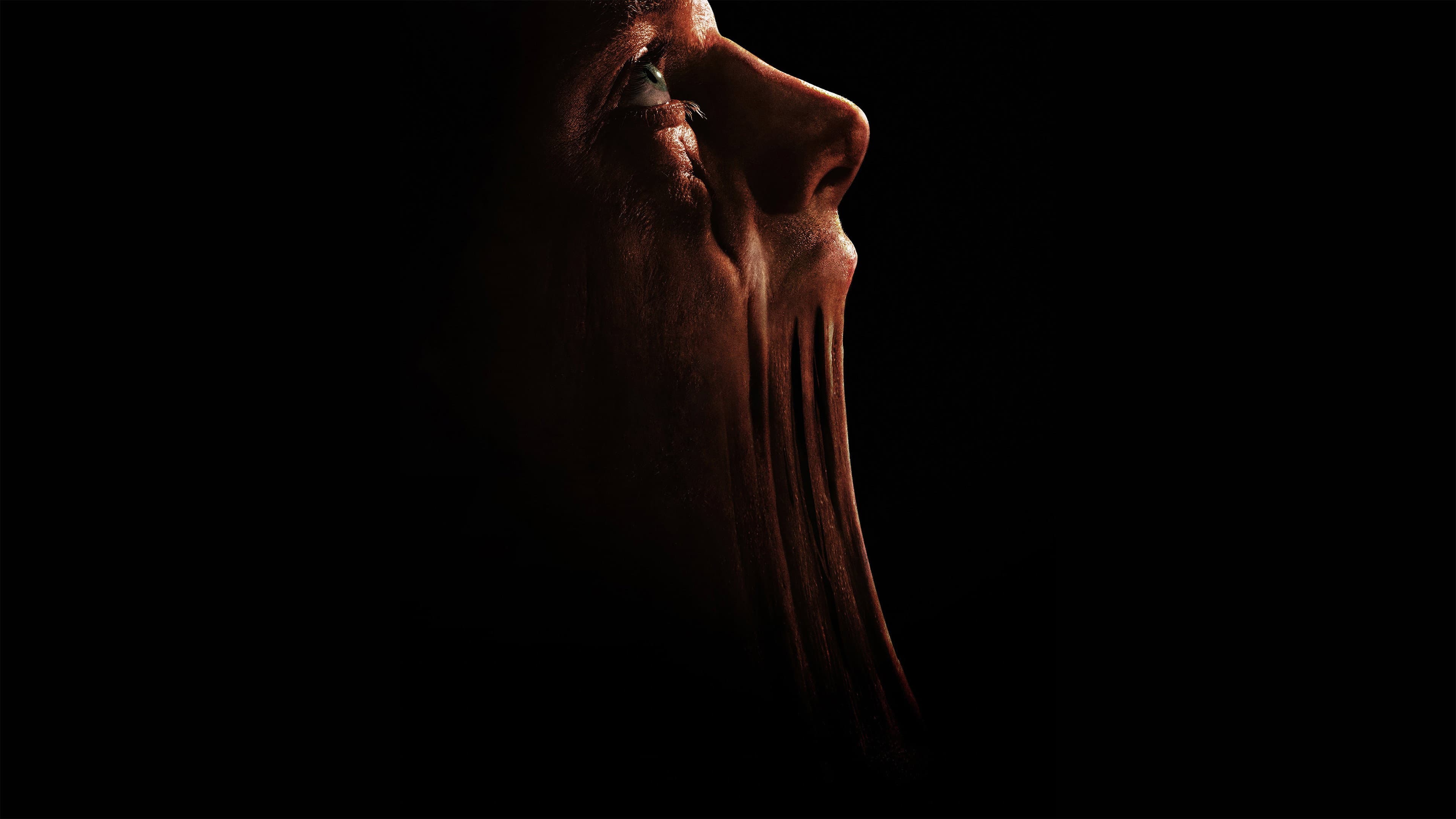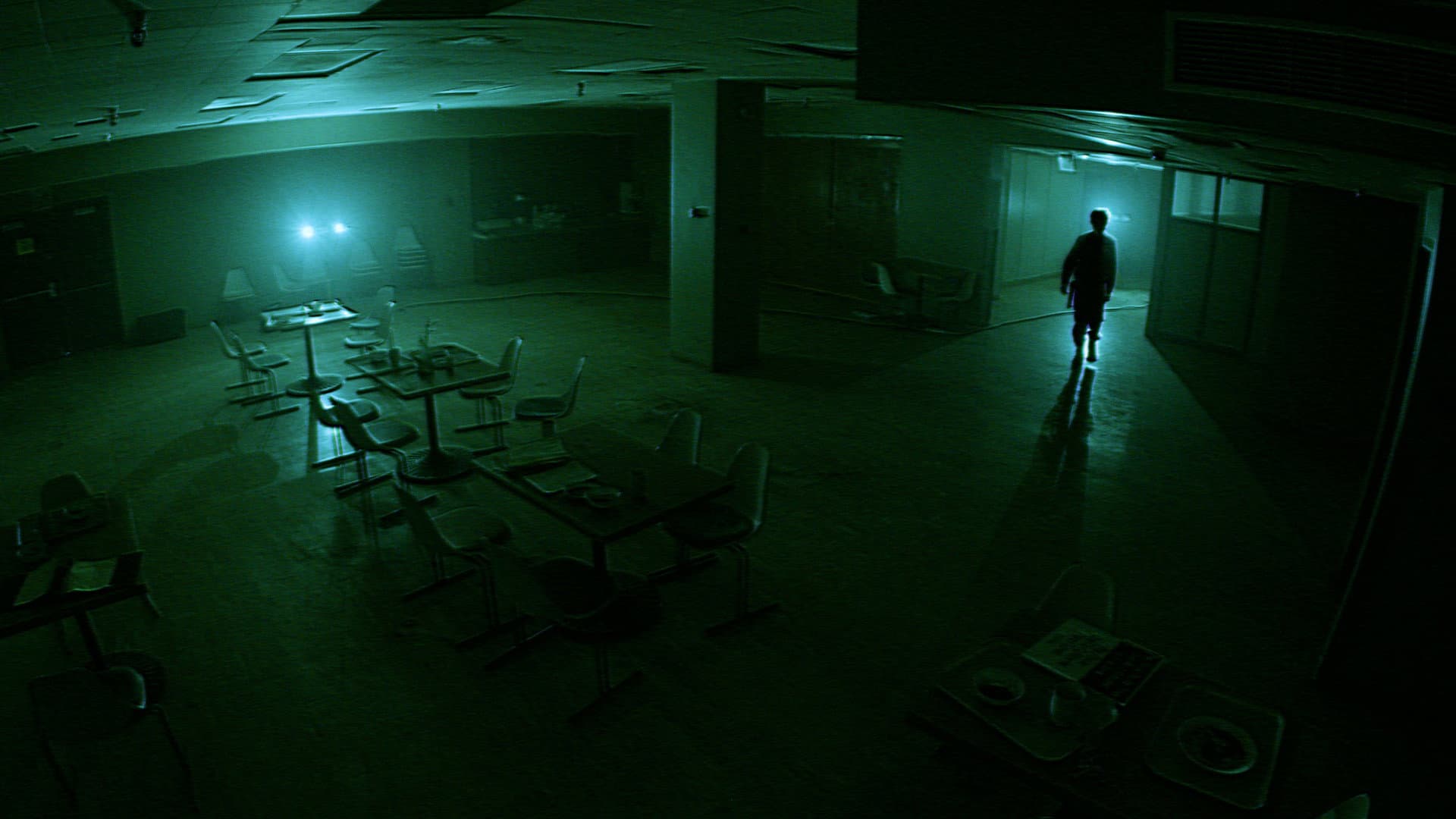
The footage lasts eighty-five minutes. That is the first thing anyone mentions about Infirmary, Nicholas Pineda's new horror feature for Hollywood, and it is not a coincidence. When a movie runs exactly as long as the evidence it is built around, the line between document and dramatization starts to blur in ways that feel deliberate.
The premise is deceptively simple, pulled from a case file that has circulated among true-crime obsessives for three years now. In 2023, a security guard named Edward took his first shift at a shuttered psychiatric hospital. Sometime before dawn, he vanished. What remained was his bodycam footage, a record of several hours that investigators have never fully explained. Pineda takes that raw material and builds a narrative around it, casting Paul Syre as Edward opposite Mark Anthony Williams as Lester, Danielle Kennedy as Ms. Downey, and Corinna Wagner-Smith as a vagrant whose role in the night's events has been the subject of considerable speculation.
Infirmary arrives in theaters on October 2, 2026, positioned squarely in the Halloween corridor where horror films either find their audience or get buried. The early numbers are instructive without being definitive. A 6.4 on IMDb suggests viewers who sought it out found something worth defending. The 5.571 on TMDb paints a more divided picture, which is often what happens when a film refuses to hold the audience's hand.
Pineda has been vocal about his approach. In a conversation ahead of the release, he described the project as "less a haunted house and more a haunted record." That distinction matters. The film does not pretend to be found footage in the traditional sense. Instead, it treats the bodycam as a character, a lens that can only show what Edward saw and, more unsettlingly, what he failed to notice.
Williams, who plays Lester, has built a career on supporting roles that quietly steal scenes, and here he operates in a register that suits the material's ambiguity. Kennedy's Ms. Downey carries the weight of the hospital's institutional history, a figure who may be more ghost than administrator or more administrator than ghost. Wagner-Smith's vagrant appears sparingly, which is precisely why she lingers.
What separates Infirmary from the crowded field of asylum-set horror is its restraint. The hospital corridors are not drenched in shadow for effect. Fluorescent lights hum. Doors stick. The terror, when it comes, is often administrative rather than supernatural, a reminder that systems designed to contain suffering can outlast the people who built them.
"The building doesn't haunt you," Pineda said. "It files you. It catalogs you. You become part of its paperwork."
That idea, that horror can be bureaucratic, gives the film an unsettling texture that conventional jump-scare vehicles lack. The runtime of eighty-five minutes leaves little room for subplot or comic relief, and Pineda uses that compression well. There are no detours. Edward clocks in, and the night begins.
Whether Infirmary works as entertainment depends on what an audience brings to it. Those hoping for a tidy resolution to Edward's disappearance will leave frustrated. The film does not solve the case. It reopens it, inviting viewers to scrutinize the same footage that has kept amateur investigators busy for three years. The final act offers an interpretation rather than an answer, which is a risk in a genre that often rewards certainty.
The timing of the release is canny. October is when horror audiences are most receptive to discomfort, and Infirmary delivers a particular kind of unease that feels native to the streaming age, where everything is recorded and nothing is understood. Edward's bodycam is not just a plot device. It is a metaphor for a culture that documents endlessly and comprehends rarely.
For Pineda, this is his most visible project to date, and he has assembled a cast willing to trust his unhurried, observational style. Syre carries most of the film alone on screen, and his performance is the anchor. Lester, Downey, and the vagrant orbit him like fragments of a story Edward cannot quite assemble, which may be the point.
Infirmary opens in theaters across Hollywood on October 2. It is not a comfortable watch. It is not meant to be. It is meant to sit with you, the way an unresolved file sits on a detective's desk, waiting for someone to notice what was always there.