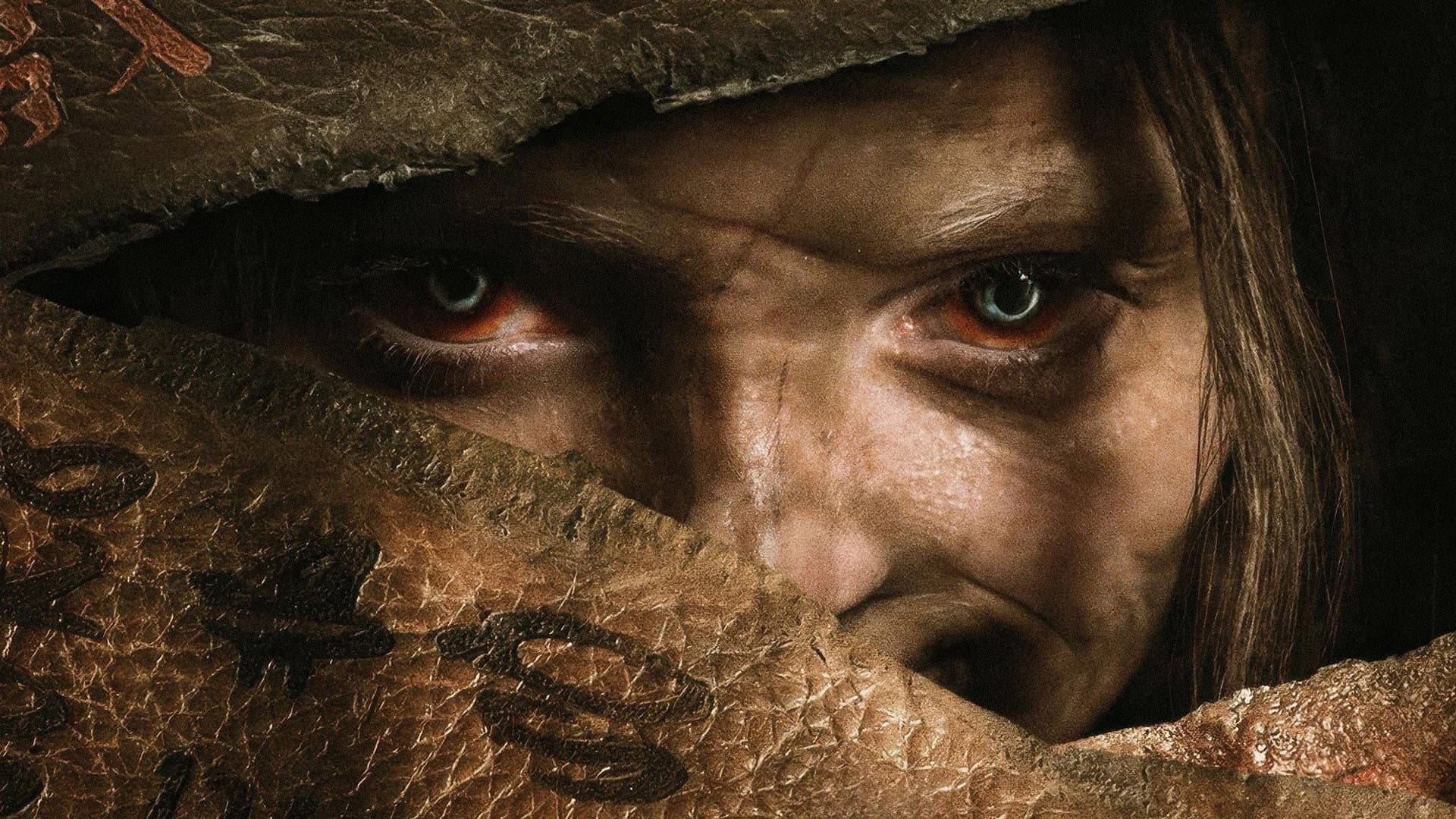
There is a specific kind of dread that Lee Cronin has mastered - the feeling that the worst thing is not the monster in the shadows, but the familiar turning irrevocably wrong. With Lee Cronin's The Mummy, the director of Evil Dead Rise has taken the skeletal framework of a classic Universal monster and rebuilt it as a searing, intimate tragedy. This is not your grandfather's Boris Karloff picture. This is a horror film about the haunted space between two people who once loved each other, and it is terrifying precisely because it feels so real.
Opening in theaters on April 15, 2026, the film has already amassed a staggering 7.895/10 rating on TMDb, a figure that reflects the word-of-mouth frenzy it has generated. But to call it a mere "hit" undersells its ambition. At 133 minutes, it is a patient, deliberate slow burn that asks its audience to sit with grief, suspicion, and an almost unbearable tension. Cronin has swapped the dusty tombs of Egypt for the sun-scorched expanses of contemporary New Mexico, and the result is a myth re-forged in psychological realism.
The setup is brutally simple, laid out in the film’s sparse logline: a journalist’s young daughter vanishes into the desert without a trace. Eight years later, the broken family is shocked when she is returned to them. But as the tagline promises, the reunion curdles into a living nightmare. We meet Charlie Cannon, played with a raw, frayed intensity by Jack Reynor, a man who has spent nearly a decade marinating in guilt. His wife, Larissa (a devastating Laia Costa), has built a fortress of denial and brittle routine around the gaping hole in their lives. They have tried to move on - they have a young son, Sebastián (Shylo Molina), and a precocious younger daughter, Maud (Billie Roy) - but the return of their eldest, Katie (Natalie Grace), shatters everything.
Grace is the film’s secret weapon. As Katie, she delivers a performance of unsettling ambiguity. Is she a traumatized survivor, or is she something else entirely? Her posture is off; her gaze is a little too steady. She remembers things she shouldn’t and has forgotten the intimacy she once shared with her parents. The film’s mystery hinges on her truth, and Grace keeps the audience guessing with a masterclass in passive menace. You want to hug her, but you also fear being alone in a room with her.
Cronin wisely grounds the supernatural elements in the detectives and the local folklore. May Calamawy brings a grounded, wiry intelligence to Detective Dalia Zaki, the officer who first worked the missing person case and is now suspicious of the circumstances of Katie’s return. She, along with Veronica Falcón’s enigmatic Carmen Santiago, serves as the audience’s skeptical compass, pointing out the logical inconsistencies in the family’s desperate hope. Their investigation leads to the film’s most audacious creation: a character credited only as "The Magician," played by Hayat Kamille. Without spoiling her role, Kamille delivers a chilling, operatic performance that reshapes the narrative's entire mythology. She is the film’s philosophical core, embodying the cruel, transactional nature of the ancient curse that has come calling.
What makes The Mummy so effective is Cronin’s refusal to rely on jump scares. He builds horror through sound design - the oppressive hum of the desert wind, the dissonant scraping of a music box - and through the geometry of his frames. He shoots the Cannon household like a labyrinth, with doorways and windows framing characters in ways that make them look trapped. The 133-minute runtime is a conscious choice, allowing the family’s psychological unraveling to feel earned. When the supernatural violence finally erupts, it is brief, brutal, and shockingly physical, a release of pressure that leaves you breathless.
At its heart, this is a story about the monstrous fragility of love. Charlie and Larissa’s marriage is a battlefield of blame and suppressed rage. Reynor and Costa are phenomenal together, their dialogue crackling with the coded resentment of a couple who have said too much and too little over the years. When Charlie begins to suspect that the girl in his kitchen is not his daughter, his desperation is palpable; when Larissa refuses to listen, her denial is heartbreaking. Cronin uses the Mummy myth not as a bandage-wrapped revenant, but as a metaphor for a relationship that cannot survive the return of its greatest wound.
The film has already sparked intense debate about its ambiguous, haunting final act. Some will call it frustrating; others will call it brilliant. But it is undeniable that Lee Cronin's The Mummy is a bold, confident piece of modern gothic horror. It honors the legacy of the Universal monsters while dragging them violently into the 21st century, proving that the most terrifying thing in the desert isn’t a creature in the sand, but the corrosion of the human heart. It demands your patience, but it repays it with a nightmare you won't soon shake.