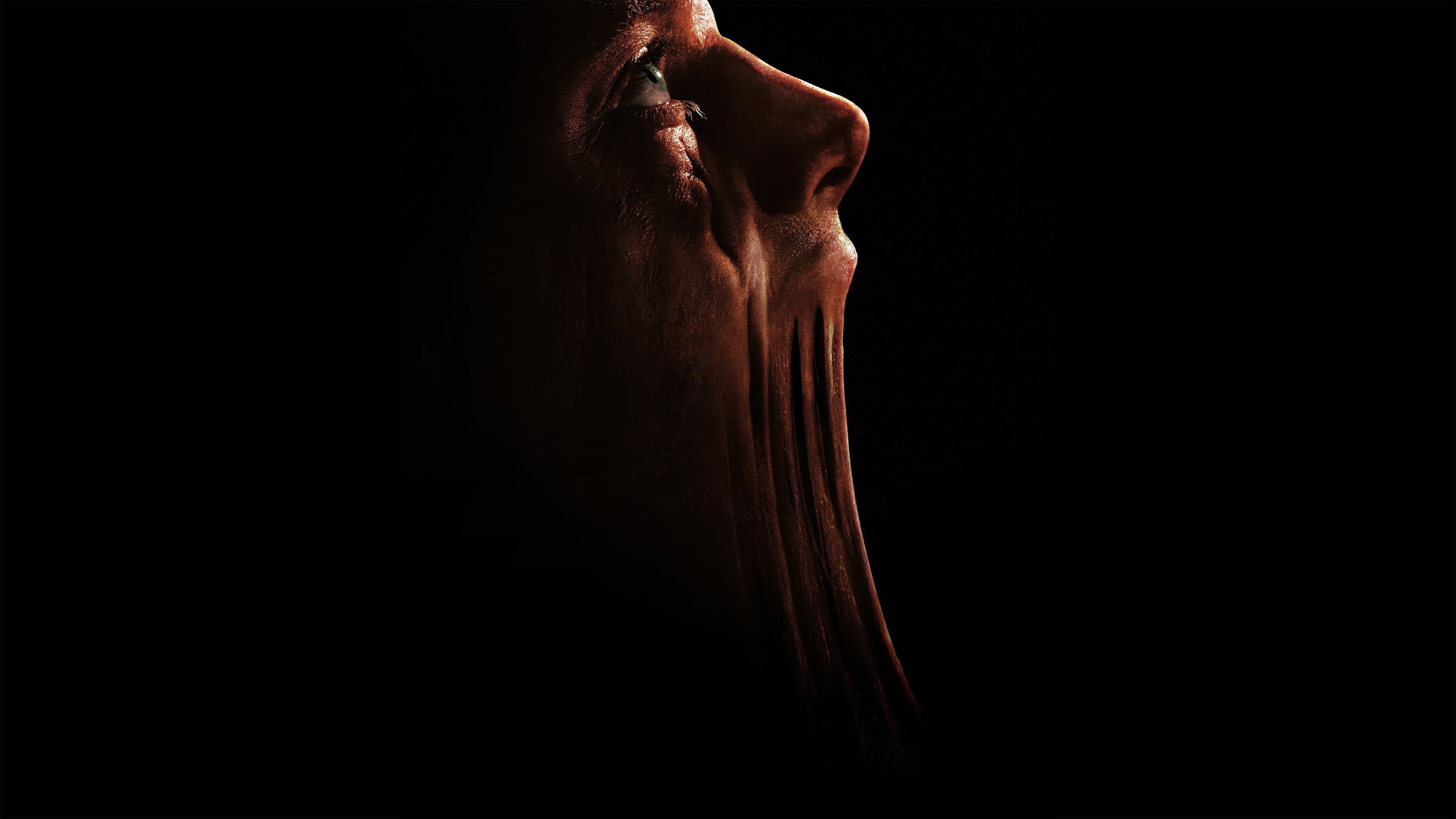
The parking lot of the Detroit Historical Museum isn’t usually a place for screaming tires and machine-gun fire, but on a sweltering July afternoon, it’s the closest thing to a time machine. The production of Motor City, which roared into theaters on July 23, has transformed the city’s streets into a gritty, rain-slicked 1970s tableau. The film, a 104-minute blast of nitro-fueled revenge, is the kind of pulpy, muscular genre piece that feels increasingly rare. And at its center, literally and figuratively, stands a mountain of a man named Alan Ritchson.
Ritchson, best known for doling out justice as Jack Reacher, trades military precision for raw, wounded fury here. He plays John Miller, a guy whose fatal flaw isn’t pride or greed, but love. The setup is classic noir: Miller falls hard for Sophia (Shailene Woodley), a luminous presence with a dangerous attachment. That attachment is Reynolds, a local gangster played by Ben Foster with the kind of coiled, whisper-quiet menace that has become his trademark. When the inevitable collision happens, Miller isn’t just left heartbroken; he’s framed, beaten, and tossed into a hellish prison sentence for a crime he didn’t commit.
Director Potsy Ponciroli, who previously navigated the quieter waters of the Western Old Henry, takes a sharp turn here. He’s built Motor City as a pure, propulsive engine of consequence. The film opens with Miller’s release, a man hollowed out by years behind bars, walking into a Detroit that’s crumbling as much as his spirit. But inside that hollow shell is a burning pilot light of vengeance. He has a list, a target, and a singular focus: Reynolds. What follows is less a whodunit and more a “how will he do it” as Miller carves a path through the city’s underbelly, leaving a trail of broken henchmen and double-crossers in his wake.
The supporting cast is a rogue’s gallery of character actors who elevate every scene. Lionel Boyce brings a surprisingly soulful weight to Youngblood, while Pablo Schreiber’s Lieutenant Savick is the dogged cop who’s always one-step behind, adding a ticking clock to Miller’s rampage. The film even finds time for a pair of eccentric, Musketeer-named muscle men - Porthos and Aramis (Dominic Bogart and Mister Fitzgerald) - who provide moments of dark, comic relief that keep the testosterone-fueled plot from becoming too dour.
Screen chemistry is the film’s secret weapon. Foster and Ritchson are two sides of the same coin: both are physical actors, but Foster’s Reynolds is all nervous, calculated energy while Ritchson’s Miller is a landslide of controlled destruction. Their confrontations are electric, the kind of stand-offs where the air itself feels heavy. Woodley, meanwhile, isn’t just a damsel in distress. She imbues Sophia with a weary pragmatism that complicates Miller’s quest for catharsis. Is he fighting for her, or for his own shattered pride? The film smartly leaves that ambiguous, adding a layer of melancholy to the bone-crunching action.
Early reviews are split, which is often the hallmark of a film that trusts its instincts. The aggregators show a fascinating divide: a solid 7.1 on TMDb versus a more skeptical 5.8 on IMDb. That gap tells a story. The core Motor City audience - those who showed up for a hard-R genre exercise - seems to be getting exactly what they want: balletic violence, a throbbing period soundtrack, and a hero who bleeds. The more general viewer might find the plot as lean as Ritchson’s frame, a simple revenge scenario stretched over some familiar beats. But in an era of bloated, over-explained blockbusters, there’s a certain elegance to a film that just says go.
Ponciroli directs with a confident grit, favoring practical effects and muddy realism over CGI gloss. The car chases feel dangerous, the fight scenes are brutal and bone-jarring. This is the Motor City of grease, sweat, and desperation, a character in its own right that mirrors John Miller’s own dilapidated but unbreakable spirit.
Will Motor City join the pantheon of great revenge thrillers? That’s for the film historians to debate. But right now, it plays as a perfect late-summer shot of adrenaline. It’s a reminder that sometimes, a simple story told with ferocious conviction and a killer cast is all you need. John Miller went to prison for a crime he didn’t commit. The audience, however, is getting away with the perfect crime: a pure, uncompromised slice of cinematic justice.