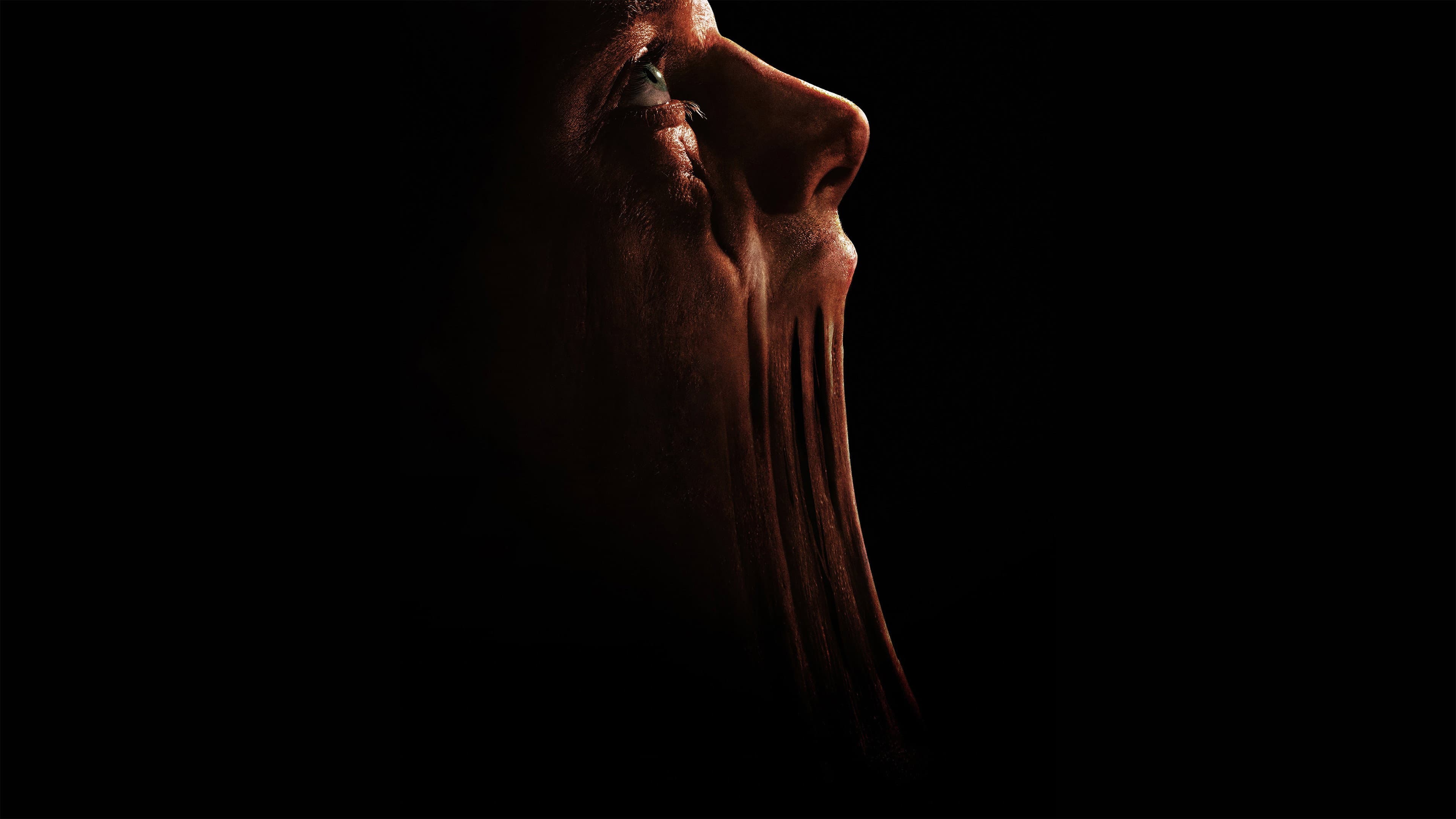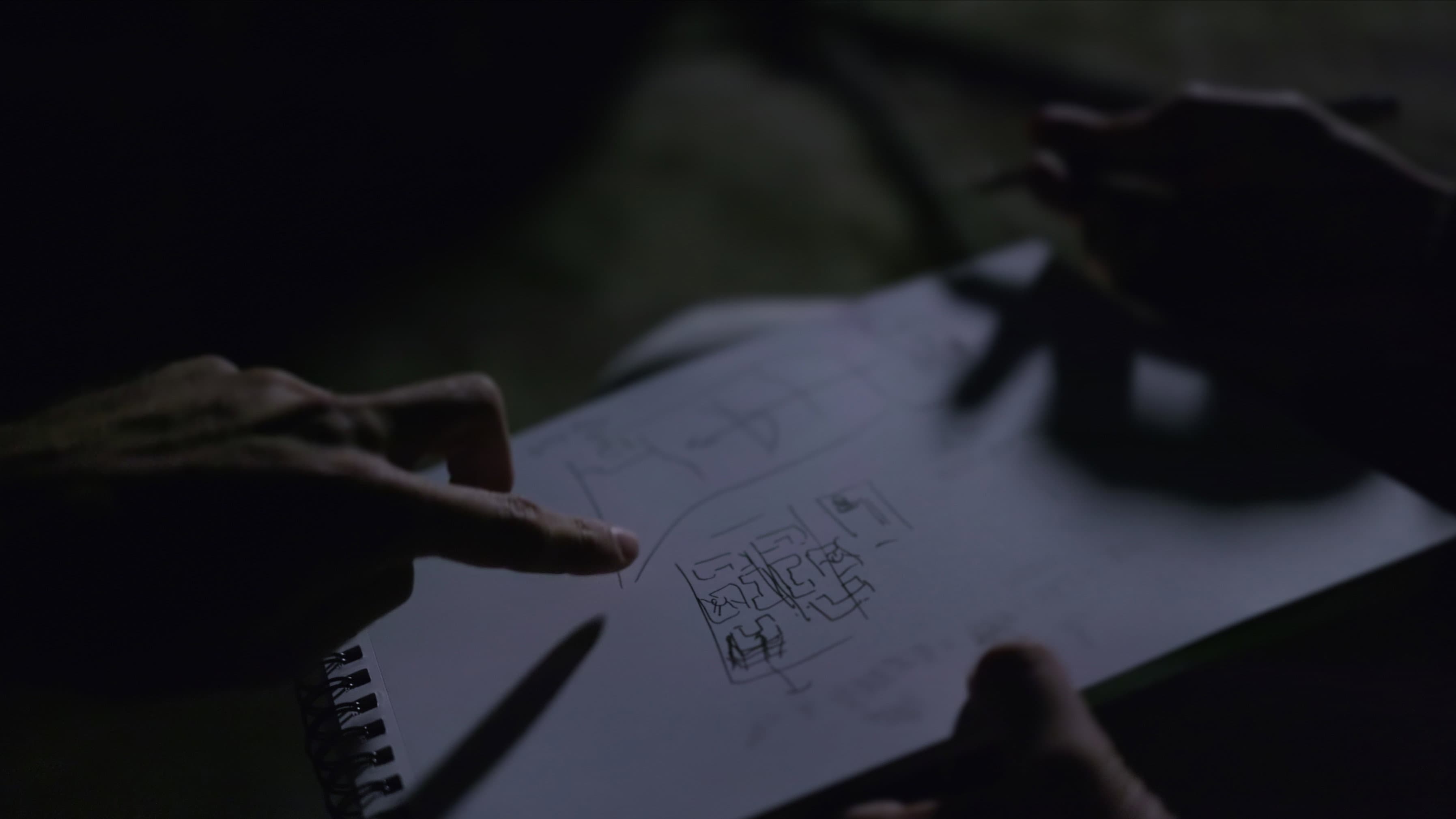
The rooftop conversations began as whispers. Now they have a title, a release date, and a distributor willing to put them in front of American audiences. “NAZA,” Yuval Abraham’s 77-minute documentary, opened in select theaters on September 25, and it has spent the two weeks since refusing to leave the conversation - a rare feat for a non-fiction film with no narrator, no archival sweep, and no interest in comforting anyone in the room.
Abraham, who also appears on camera as himself, built the film out of a series of nighttime meetings on Tel Aviv rooftops with the people who designed, coded, and operated the systems behind Israel’s military campaign in Gaza. The title refers to the Arabic word for Gaza - a name that, as one subject notes early in the film, has been all but erased from the Hebrew-language vocabulary of the people building the machinery. “We stopped saying the word,” one former engineer tells Abraham, in English, in a sequence shot against a city skyline that looks almost peaceful. “That was the first thing we designed out.”
The film’s power lies in its refusal to dramatize. There are no reenactments, no swelling score, no maps with red arrows. Instead, Abraham - a journalist who has spent years reporting on the subject - lets his subjects talk, and the men and women who agreed to sit with him do so with a mixture of pride, exhaustion, and something closer to confession. A data scientist describes the architecture of a targeting pipeline the way a former employee might describe a job that got away from him. A military-civilian liaison explains how a list of names became a list of coordinates. “You don’t see a person,” another interviewee says. “You see a confidence score. And you learn to trust the score.”
What makes “NAZA” land is its formal restraint. The camera stays on faces. The rooftops become a kind of confessional, and the night becomes a shield. Abraham rarely interrupts, and when he does, his questions are short and almost apologetic. The effect is closer to a deposition than a documentary, and it forces the audience into the uncomfortable position of listening without the usual cinematic cues that tell us who to blame and when to feel it. The film has been described by festival programmers as “a portrait of a system through the people who built it,” and that framing holds. The systems are the subject. The people are the key.
It arrives at a moment when the documentary form has become a battleground in its own right. Theatrical nonfiction has been squeezed by streaming economics and by a political climate in which certain subjects are treated less as films than as positions. “NAZA” has not been immune. Its release has been accompanied by the usual noise - canceled screenings, security at a handful of venues, a flurry of op-eds that seem to have been written before anyone saw the film. But the film itself is quieter and more slippery than its controversy. It does not argue. It records. And what it records is a group of people describing, in calm and often technical language, the distance between a decision and its consequence.
Abraham, who previously worked as a journalist and filmmaker in the region, is a steady presence on screen. He does not perform outrage, and he does not perform neutrality. He simply keeps showing up on the roof, night after night, and lets the conversations accumulate. The result is a film that feels less like a thesis than a leak - as if the audience has been handed a transcript and told to read it carefully.
At 77 minutes, “NAZA” is short by the standards of the genre. It does not sprawl. It does not give context for every acronym or explain every chain of command. That will frustrate some viewers and liberate others. The film trusts its audience to keep up, and it trusts its subjects to indict themselves. That trust is the source of its quiet, lingering unease.
With an 8.1 rating on TMDb and a release pattern that has kept it in theaters rather than on a streaming shelf, “NAZA” is shaping up to be one of the fall’s most discussed nonfiction titles. Whether it changes minds is a question for another day. For now, the rooftops are on record, and the people who built the systems are speaking - in English, on camera, and with the lights of Tel Aviv behind them.