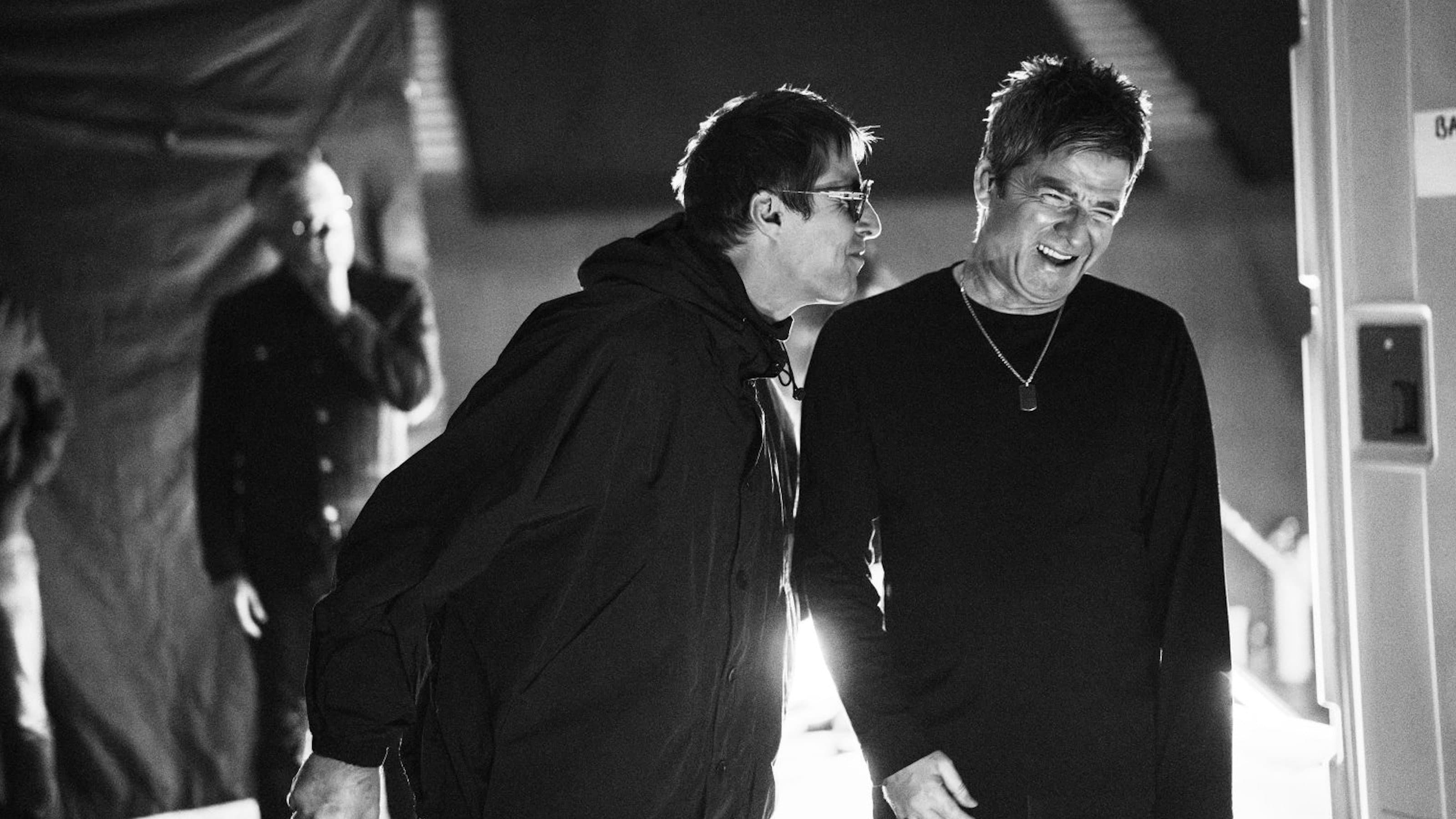
It's the documentary that legions of Oasis fans have waited three decades to see, and now Hollywood Buzz can confirm the film everyone's been whispering about is finally here. Oasis: Don't Look Back in Anger hit theaters on September 9, 2026, arriving just as the Gallagher brothers prepared to share a stage for the first time in sixteen years. The timing, as anyone who has followed this band knows, is everything.
Directed by Dylan Southern, the documentary runs 123 minutes and charts the meteoric rise of the Manchester outfit from working-class lads with a stack of demos to the biggest rock band on the planet. Southern, who has spent his career capturing British music culture with a sharp and unsentimental eye, was granted access to a trove of rare archival material, much of which has never been seen publicly. The result is a portrait that feels less like a victory lap and more like a reckoning.
What separates this film from the typical rock doc is the presence of the reunion itself. The narrative threads the band's formation and eventual implosion through the lens of Oasis Live '25, the comeback tour that turned arena queues into small cities and sent ticket servers into outright collapse. Southern cuts between grainy footage of Knebworth-era glory and rehearsal-room moments from the reunion, creating a dialogue between who these men were and who they have become.
The cast list reads like a family album. Liam Gallagher and Noel Gallagher appear as themselves, of course, and the film wisely lets their contradictions stand without editorializing. Paul "Bonehead" Arthurs, Gem Archer, and Andy Bell round out the core lineup, while drummer Joey Waronker and keyboardist Christian Madden represent the new blood of the reunion era. Perhaps the most quietly affecting presence is Anaïs Gallagher, whose inclusion signals that this story now belongs to a second generation as much as the first.
The overview promises "rare footage and untold stories," and by all accounts Southern delivers on both. The Manchester streets of the early nineties are rendered with texture rather than nostalgia, and the film resists the temptation to turn squalid rehearsal rooms into mythic shrines. There is grit here. There is also, inevitably, the Gallagher dynamic, that combustible mix of brotherhood and rivalry that has defined the band's narrative for longer than either man might care to admit.
Audiences have responded warmly. The film currently holds a 7.5 out of 10 rating on TMDb, a solid figure for a music documentary in a crowded marketplace. But the numbers only tell part of the story. What matters more is the conversation the film has reignited: about Britpop's legacy, about the cost of ambition, and about whether two brothers who once couldn't stand to be in the same room can now share a microphone without sparks flying.
Southern's approach is patient. He lets silences breathe. He understands that the most revealing moments in a rock documentary are rarely the concert sequences, however thunderous, but the glances exchanged backstage, the half-finished sentences, the drumsticks tapped against knees while waiting for someone else to speak. It is in these margins that Don't Look Back in Anger finds its emotional center.
The title itself carries weight, borrowed from the band's most enduring anthem and repurposed as a thesis statement. This is not a film about grievance. It is a film about endurance, about the strange arithmetic by which former adversaries become collaborators again, and about what happens when the noise finally subsides and all that remains is the music.
For a generation that grew up arguing about Blur versus Oasis in schoolyards, the documentary offers something close to closure, though it's smart enough to leave a few doors ajar. The Gallagher saga has never been tidy, and Southern doesn't pretend otherwise. What he offers instead is a portrait of a band that burned brightly, fractured spectacularly, and somehow found its way back to the stage.
Oasis: Don't Look Back in Anger is in theaters now. Whether you lived through the Britpop wars or discovered the band through a streaming algorithm, the film makes a persuasive case that some stories, like some songs, only get better with time.