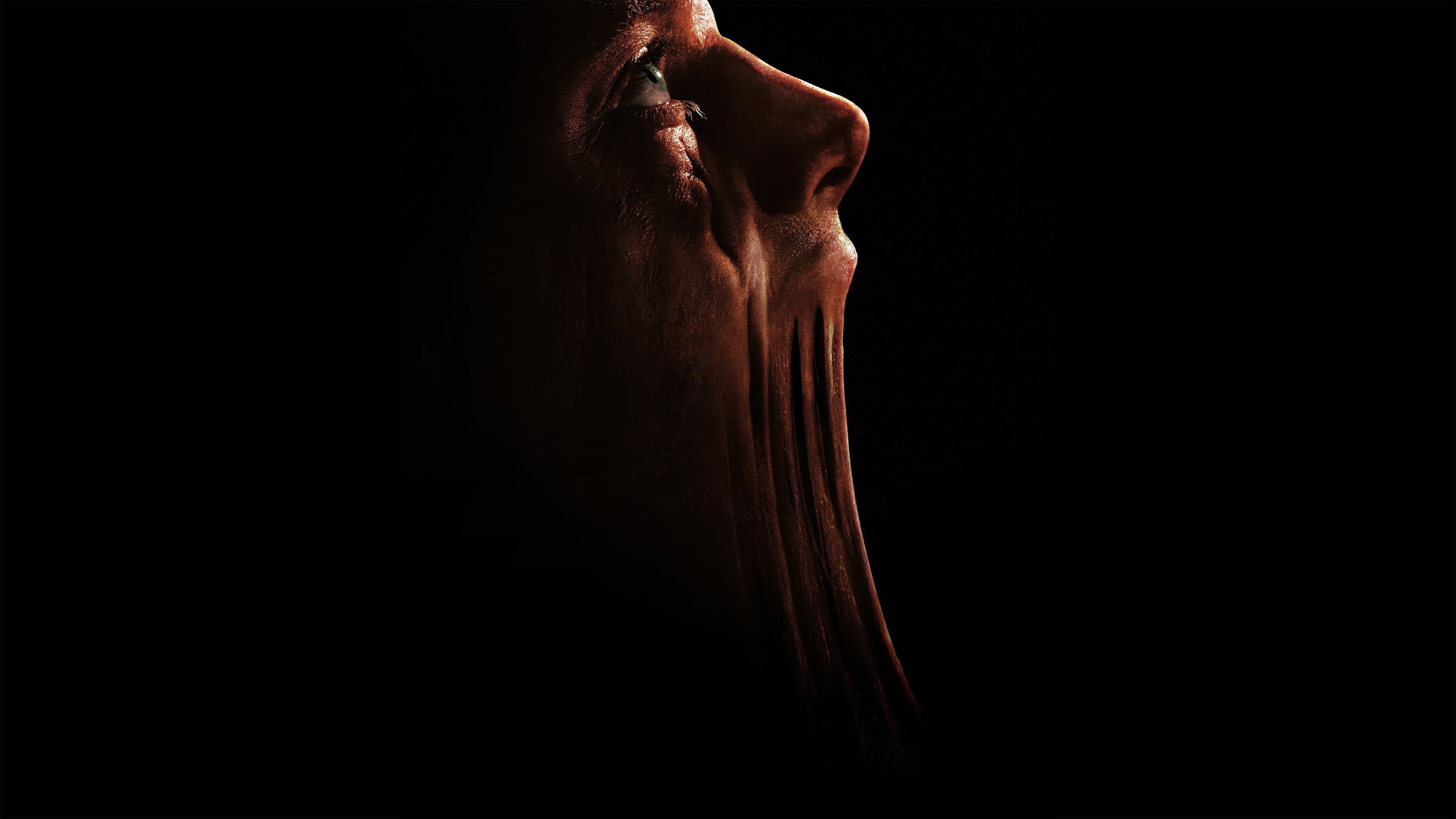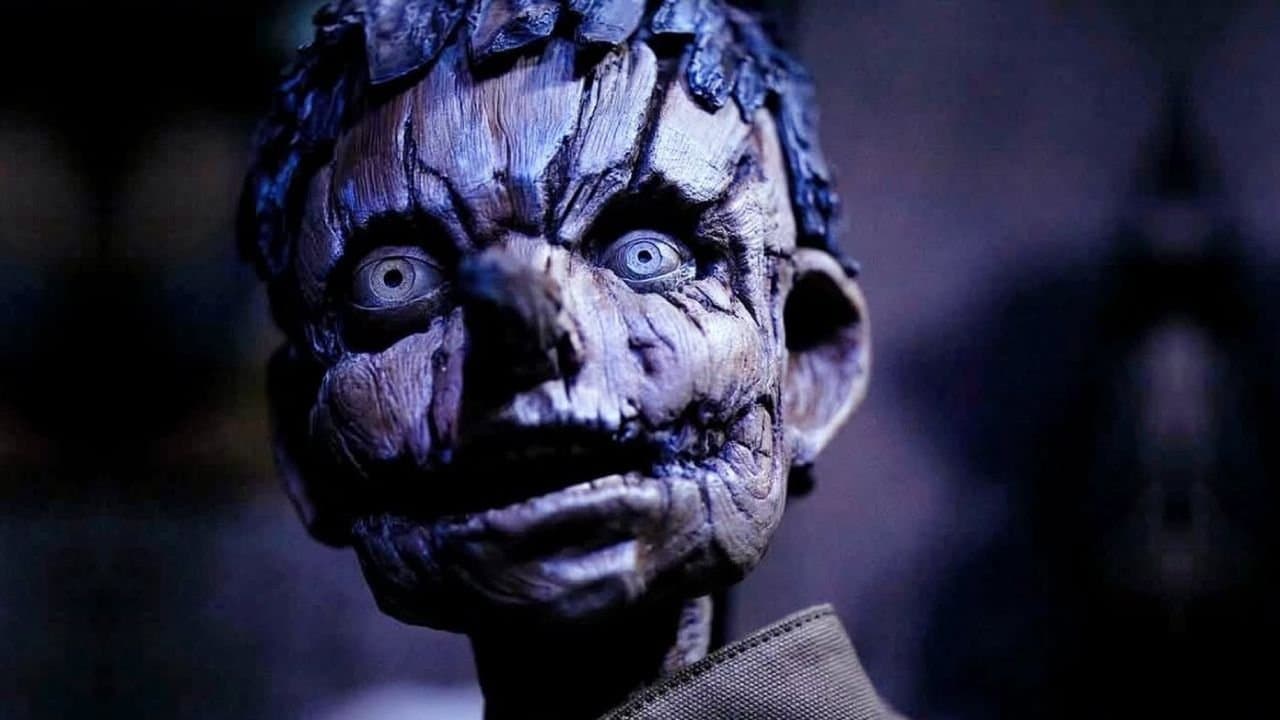
There’s a special kind of madness in taking the most innocent, saccharine story in the Western canon and feeding it through a meat grinder. But Rhys Frake-Waterfield isn't interested in canon. With Pinocchio: Unstrung, the director behind the twisted Winnie the Pooh: Blood and Honey universe has delivered his most ambitious and legitimately unsettling vision yet - a 82-minute fever dream that swaps whimsy for viscera and wooden longing for splintered rage.
The premise alone is a hook with a barb on it. This isn't the 1940 Disney classic with its gentle Jiminy Cricket. Here, the conscience is a tormentor. Voiced with a delightfully rancid rasp by horror icon Robert Englund, this Cricket isn't a guide to virtue; he’s a whispering devil on a wooden shoulder, feeding Pinocchio’s most primal, rotten insecurities. It’s a masterstroke of casting, hearing Freddy Krueger’s cadence wrapped around a children’s fable, and Englund clearly relishes every syllable.
At the center of the chaos is Jude Evan Lloyd, whose vocal performance as Pinocchio is a brittle, high-wire act. He starts with a plaintive, almost heartbreaking desire to be real, a boy worthy of his creator’s love. But Geppetto (a suitably haunted Richard Brake) isn't the kindly old woodcarver we remember. He's a grieving father whose obsession with his lost son James (Cameron Bell) has curdled into a gothic project. The film leans heavily on this twisted familial dynamic, framing Pinocchio's violence not as random evil but as a brutal, misguided act of filial longing. He doesn't just want to be a real boy; he wants to replace James.
And that's where the "unstrung" part kicks in. The marketing has promised a "violent crusade," and the film delivers with a grim, practical-effects-heavy gusto that recalls the tactile gore of 1980s slashers. There is a scene - set in a rain-soaked village schoolhouse, with Kelly Rian Sanson's Miss Daniels desperately trying to shield her students - that will be the benchmark for every "dark fairy tale" that follows. It's not just about the strings being cut; it's about Pinocchio's appendages becoming tools, his nose growing with each lie he tells himself to justify the carnage. He carves himself into a boy "one piece at a time," as the logline chillingly promises, and Frake-Waterfield never flinches from the rusty geometry of that ambition.
What elevates Unstrung above its schlocky B-movie lineage is its strange, melancholic atmosphere. The genre-blend of Horror, Fantasy, and Mystery works unexpectedly well; there's an investigative thread here, too. Scott Chambers, pulling double duty in this cinematic universe as Christopher Robin, pops up as a grim outsider who understands the rules of these corrupted storybook lands. His presence hints that Geppetto’s workshop isn’t an isolated patch of lunacy, but a node in a larger, decaying mythos. The mystery isn't "who done it," but "why does the wood keep coming back?"
It’s a film that asks a genuinely uncomfortable question: what happens when a puppet learns to hate the hand that carved him? The answer is a splintered, messy, and effective piece of exploitation cinema that understands its own absurdity. At a lean 82 minutes, it doesn't overstay its welcome, moving from quiet dread to full-throated shrieks with an efficient, brutalist rhythm. The TMDb rating of 7.1/10 feels about right - this is divisive stuff, but for those who appreciate the transgressive thrill of seeing a beloved fairytale rotted from the inside, it's near-perfect.
Comparisons to Blood and Honey are inevitable, but unfair. That film felt like a punchline with a budget. Pinocchio: Unstrung feels like a legitimate attempt to forge a dark mythology. It's still lurid, still gratuitous, and there are moments of dialogue that are as stiff as the protagonist’s wooden joints. But the performances (particularly Bell, whose silent, tragic James haunts the film like a ghost) and the sheer commitment to its gruesome thesis make it a landmark in the "Poohniverse."
Release on July 22, 2026, has made it the summer's surefire cult classic. Audiences are going in for the gore and leaving with a creeping dread about the nature of parental expectation. It’s a wild, bloody, and surprisingly sorrowful ride. Fair warning: you’ll never look at a puppet the same way again. And honestly, in the current landscape of blockbuster homogeny, that kind of unstrung, unhinged originality is worth its weight in gold - or in this case, pine.