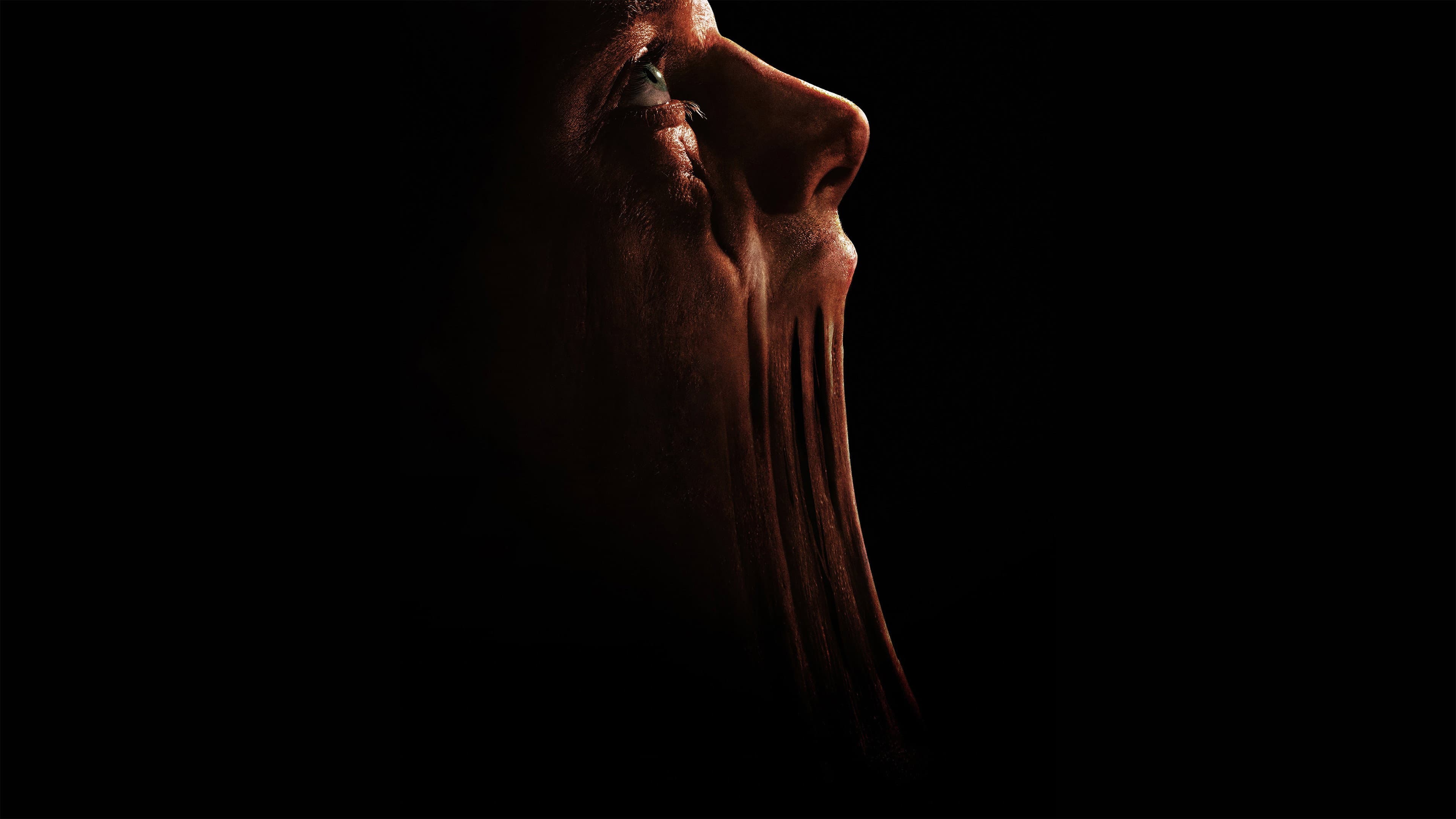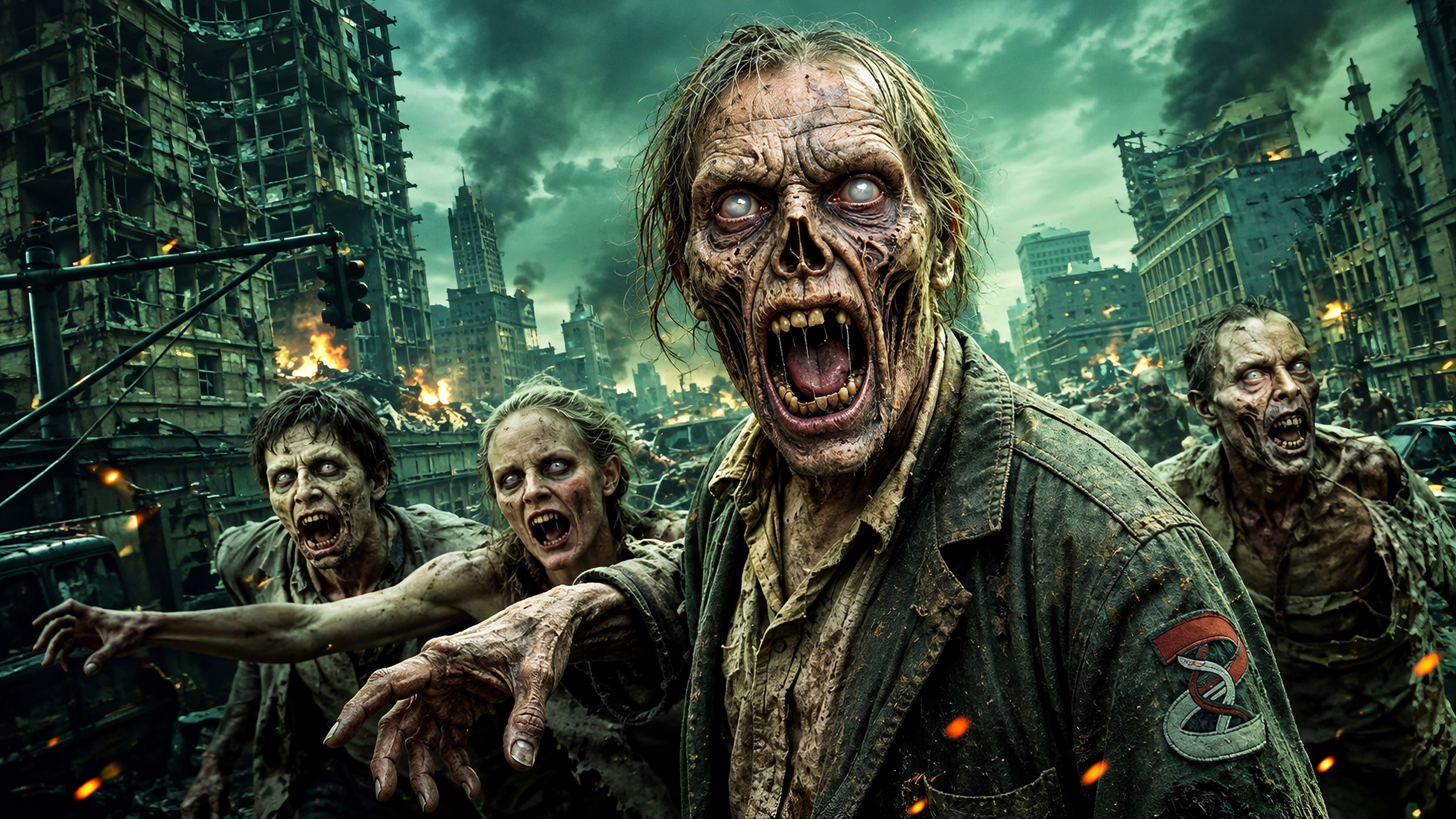
It is a premise that sounds like the setup for a grimly effective short story: a father, a daughter who has just turned, and a desperate errand through a city that belongs to the dead. In Resident Dead, that errand is the whole movie, and director Ryan Ebert uses it to strip the zombie genre down to its most elemental parts - grief, obligation, and the terrible arithmetic of survival.
The film, released on September 4, 2026, runs a lean 89 minutes. Its setup is simple enough to fit on a note card. Joe, played by John Wells, has done what most people in a zombie movie never get the chance to do: he has kept his daughter safe, even after she stopped being entirely his daughter. Ashley, played by Isabel Ramirez, is zombified but not gone, secured somewhere behind a door Joe controls. That door is his whole world. Then a stranger named Dawn, played by Thandiwe McMillan, arrives with an offer that sounds less like a bargain than a threat. Deliver an unknown package across territory held by the undead, and a cure for Ashley is his. Fail, or peek inside the package, and neither of them walks away.
That is the engine of the movie, and Ebert never lets it idle for long. The package becomes the film's central question, a sealed box that the audience wants opened almost as badly as Joe does. Horror has always understood that the unknown is more frightening than the revealed, and Resident Dead leans into that instinct with unusual discipline. The hordes outside are a physical threat, but the object in Joe's hands is a psychological one, and the screenplay treats it with the reverence of a ticking clock.
Wells carries most of the weight. His Joe is not a soldier or a scientist, just a man who has run out of better options. The performance rests on small things - the way he checks a lock, the way he talks to a daughter who may not be listening - and the film is smart enough to give him room to do it. Ramirez has the harder job, playing a character whose presence is defined by absence, and she makes Ashley more than a plot device. She is the reason the audience forgives Joe his compromises, and possibly his worst ones.
Around them, Ebert assembles a supporting cast that keeps the world from feeling like a two-hander. Hamid-Reza Benjamin Thompson appears as Wilt, Jarod Brock as Sal, Sai Piña as Zack, Chase Breithoff as Gino, and Rob Eubanks as Ned. Each fills a familiar niche in the survival-horror ecosystem - the stranger with information, the stranger with a gun, the stranger who may be neither - and the film moves them around with a confidence that suggests Ebert knows exactly how much screen time each idea deserves.
What distinguishes Resident Dead from the endless procession of undead content is its refusal to treat the apocalypse as spectacle alone. The zombies here are pressure, not personality. The horror is domestic: a father's love turned into leverage, a cure dangled like a carrot over a pit. It is a movie about what people will do when the only thing left to protect is already halfway gone.
That said, this is not a film that reinvents the genre. It works within well-worn grooves, and its ambitions are modest. TMDb users currently rate it 5.3 out of 10, a number that suggests audiences are split on whether the restraint reads as precision or as thinness. But there is something admirable about a horror movie that trusts its own premise enough to stay small. Resident Dead knows that the scariest thing in the frame is not the horde outside the door. It is the question of what Joe will do when the door finally opens.