It’s the summer of big-budget spectacles and sprawling sagas, and yet the most quietly devastating cinematic experience of the season may just be a five-minute whisper. Arriving in theaters and on streaming platforms today, August 13, 2026, Seven Minutes is a daring anomaly: a micro-short that packs the emotional wallop of a feature film. Directed by the incisive Eleri Charles, this drama is a study in compression, asking what happens when a life-changing realization has to fit into a fraction of the time we think we have. And if you blink, you might just miss the point entirely.
Release Date & Where to Watch
Today’s the day. Seven Minutes officially premieres on Thursday, August 13, 2026. Given its brief runtime, don’t expect a traditional theatrical rollout with multiple showtimes. Instead, look for it in select arthouse cinemas as a premium pre-feature attraction, ideally paired with a larger drama to give audiences a moment to catch their breath afterward. For the vast majority of viewers, the film will be available globally on major video-on-demand platforms and premium streaming tiers starting this morning. Because of its length, it’s also primed for festival circuits, though its general release date marks a clever pivot: why wait for a festival sidebar when you can own the conversation in the dead of summer? Check your usual digital storefronts or your streaming service’s "New Arrivals" row; it’s the shortest title on the list, but it will linger the longest.
Cast & Crew
At the helm is Eleri Charles, a director whose previous short-form work has earned a reputation for unflinching intimacy. Charles doesn’t dilute her vision for a shorter canvas; instead, she zooms in with a magnifying glass. The film rests almost entirely on the shoulders of rising star Libby Beaman, who plays Juliet with a fragile, flickering intensity. Beaman has that rare ability to convey a lifetime of doubt in a single glance, and she’s the anchor this story desperately needs. She’s ably supported by Alicja Biernat as Zoe, Juliet’s grounding presence - the friend who says more with a worried tightening of her jaw than most actors do in monologues. Then there’s Molly Bramwell as Eve, whose role in Juliet’s recent past is the ghost that haunts every frame. Bramwell's screen time is minimal, but her presence is a gravitational pull on the entire narrative. The chemistry among the three is palpable, a delicate triangle of affection, grief, and unspoken longing. Together, they form a tight ensemble that makes every second count, a testament to Charles’s precise casting and direction.
Story & What to Expect
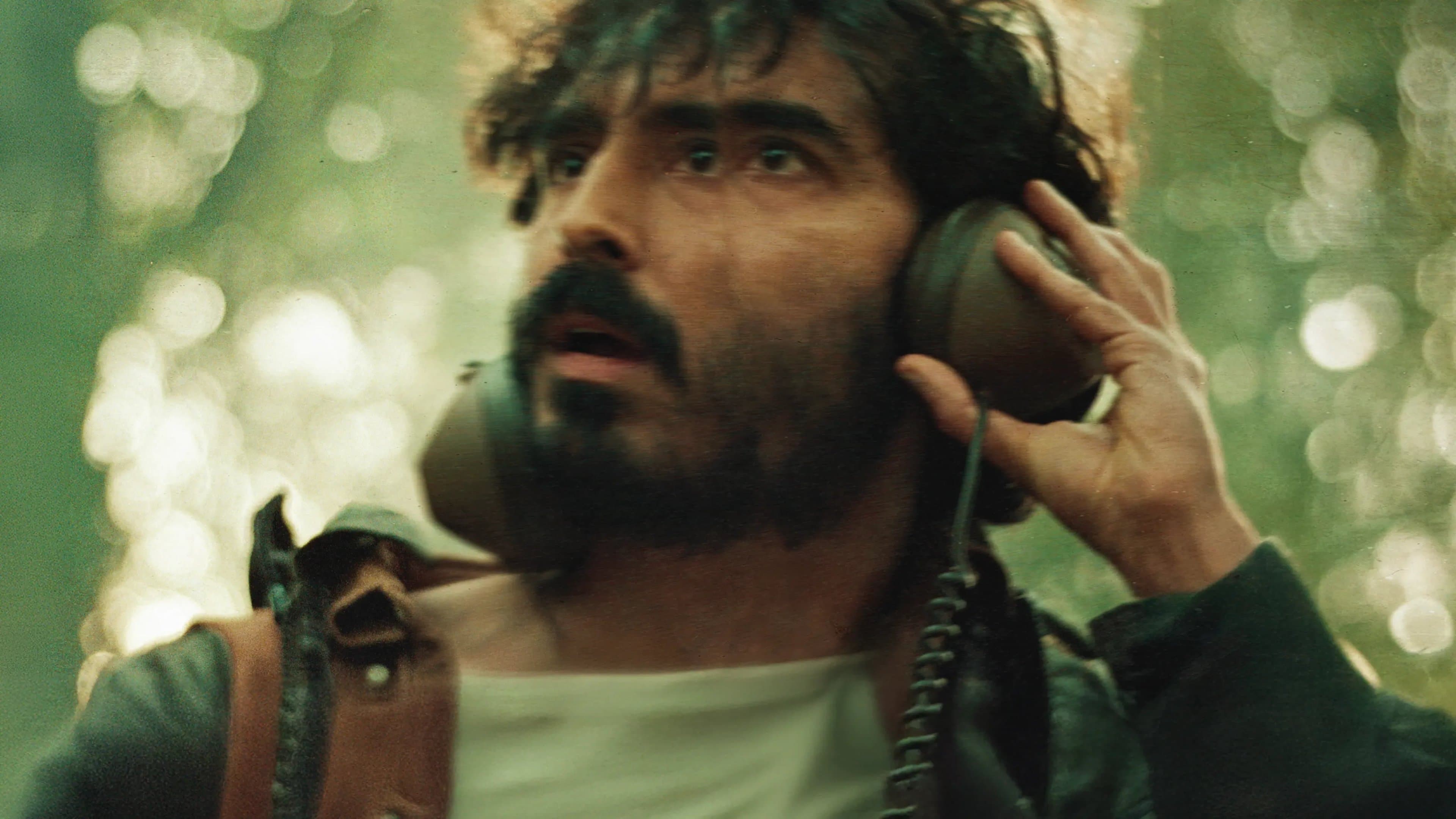
The logline is deceptively simple: Juliet is a student coming to the end of college, navigating the complexities of relationships, loss, and independence. The synopsis, however, adds a chilling caveat: "However, as time flies quickly by, something doesn't seem quite right..." That’s the hook. What unfolds is less a conventional narrative and more a psychological puzzle box, set to a countdown. We meet Juliet in her final moments of campus life - packing boxes, exchanging farewells, standing in the doorway of a room that holds too many memories. But as she moves, the world around her stutters. Background noises distort. Shadows fall at the wrong angles. Conversations with Zoe and Eve loop and fragment.
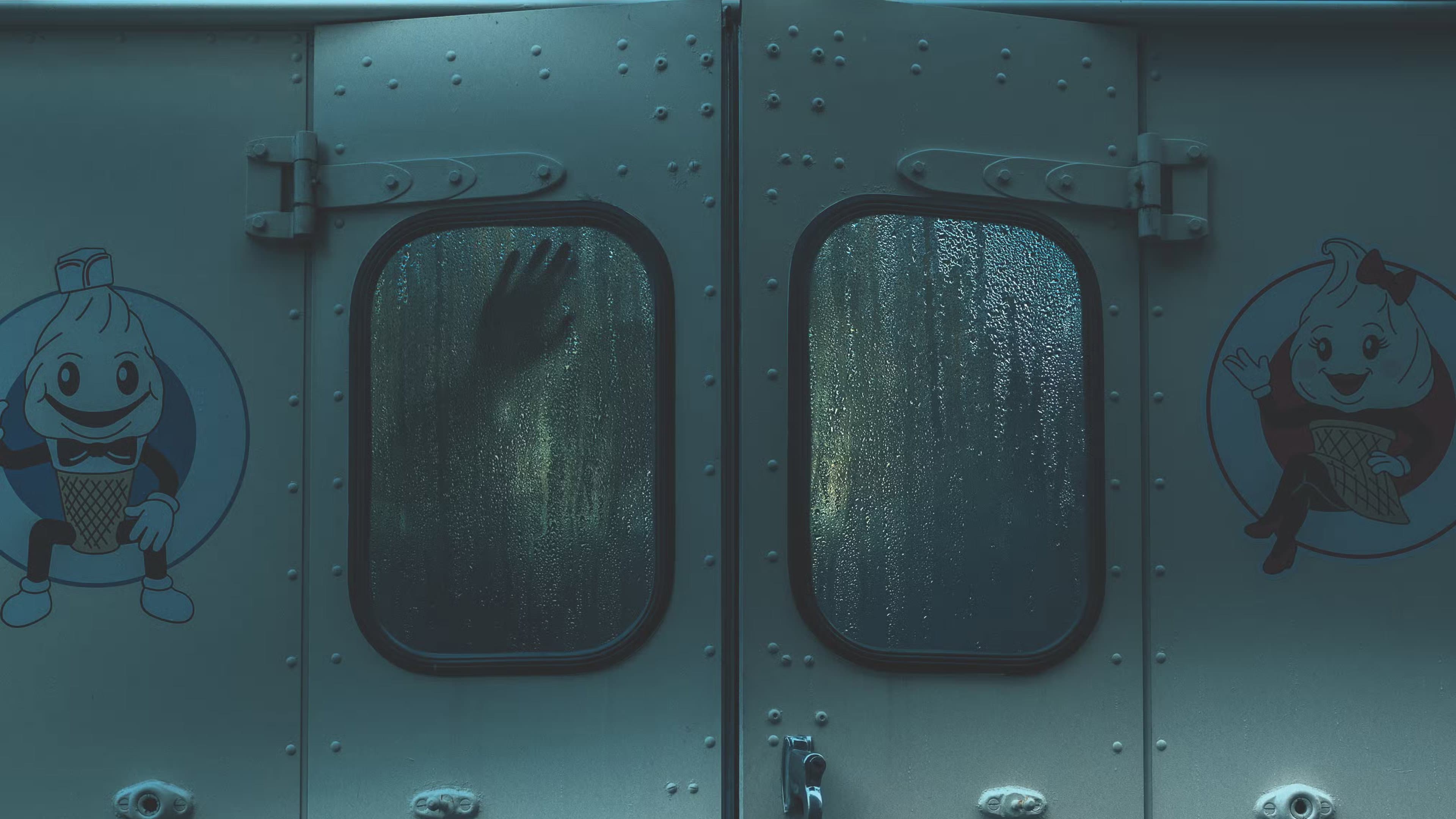
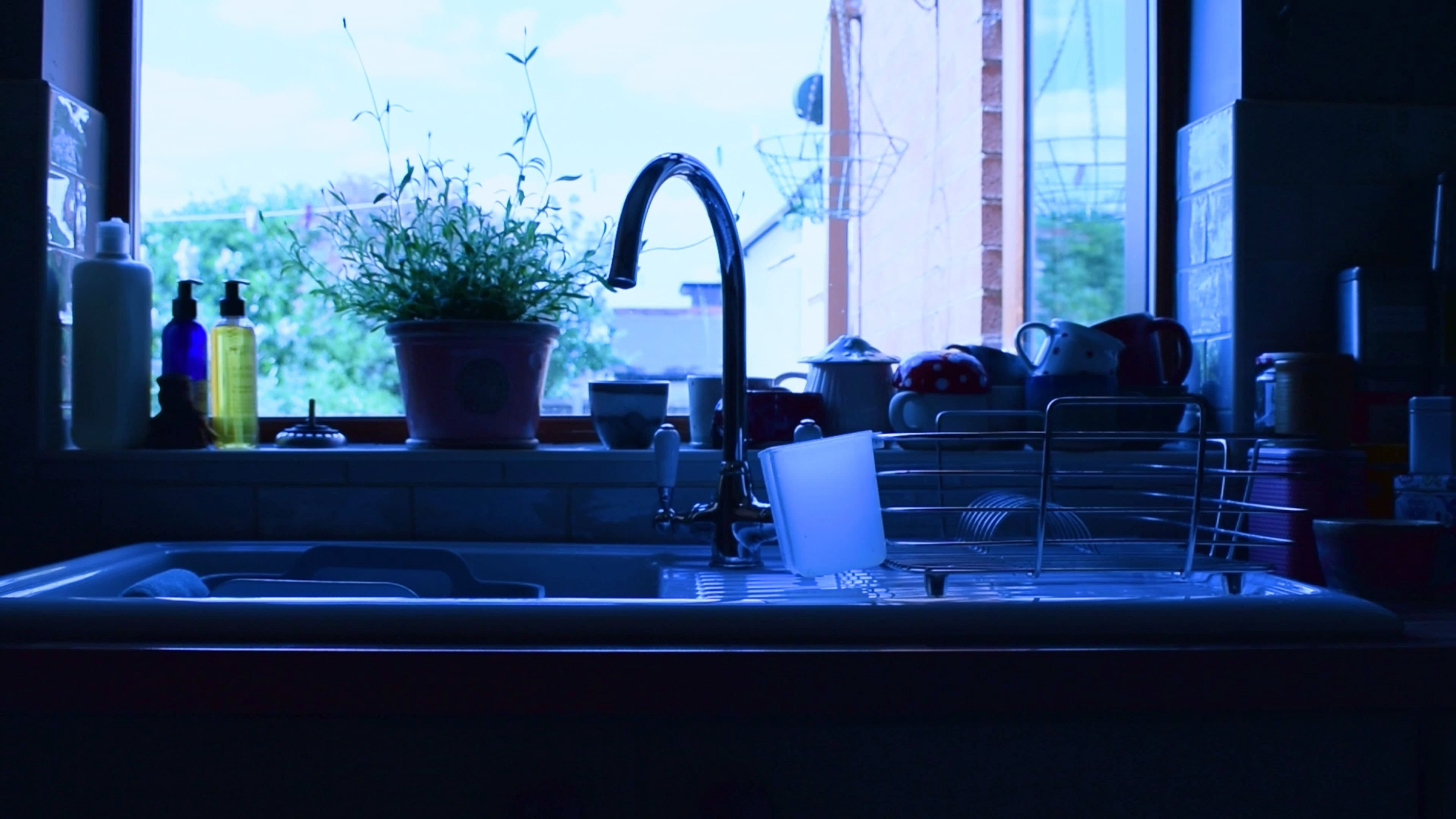
The "seven minutes" is not just a runtime; it's a diegetic constraint. The film plays with the concept of a clock that Juliet cannot see, but the audience can feel. Each minute on screen represents a deliberate, agonizing tick toward an unknown conclusion. Is this a metaphor for the end of youth? A supernatural intervention? Or a psychological break? Charles smartly refuses to give a definitive answer, instead letting the editing - which is razor-sharp and rhythmically hypnotic - do the storytelling. Expect a film that feels like a memory you can’t quite hold onto. The pacing is relentless despite the short length; there is no fat, no wasted establishing shot. It moves from quiet, sun-drenched nostalgia to a crescendo of disorienting dread, all within a time span shorter than a coffee break. The sound design is particularly noteworthy, using ambient noise and sudden silences to signify Juliet’s slipping grip on reality. You are not watching a movie; you are experiencing a panic attack, artfully curated.
Why It's Worth Watching
In an era where content is often stretched to fill episodic bloat, Seven Minutes is a radical act of editorial restraint. It forces its audience to lean in, to invest completely, because there is no margin for error. It’s a masterclass in "show, don't tell," proving that a complete arc - with a beginning, middle, and end - does not require a feature-length running time. For fans of Libby Beaman, this is an essential showcase of her range; she conveys profound existential dread without a single shred of melodrama. For admirers of Eleri Charles, it’s the clearest statement yet of her formalist talents, a tight, controlled burn that argues for her as a major voice in genre-bending arthouse cinema.
Its current TMDb rating of zero is purely a function of its release-day timing; no one has had a chance to vote yet. But mark my words: this will be the most-talked-about short film of 2026. It’s the kind of work that demands immediate rewatching - not because it’s confusing, but because the first viewing is an emotional gut punch that leaves you reeling, and the second is where you start to piece together the brilliant narrative machinery underneath. It asks a question that will haunt you: what if the most important moment of your life is only seven minutes long, and you’re already at the end of it? Seven Minutes isn't just a movie to watch; it's an experience to survive. Do not scroll past it. Find it, watch it, and then sit in the silence afterward. That silence is the point.