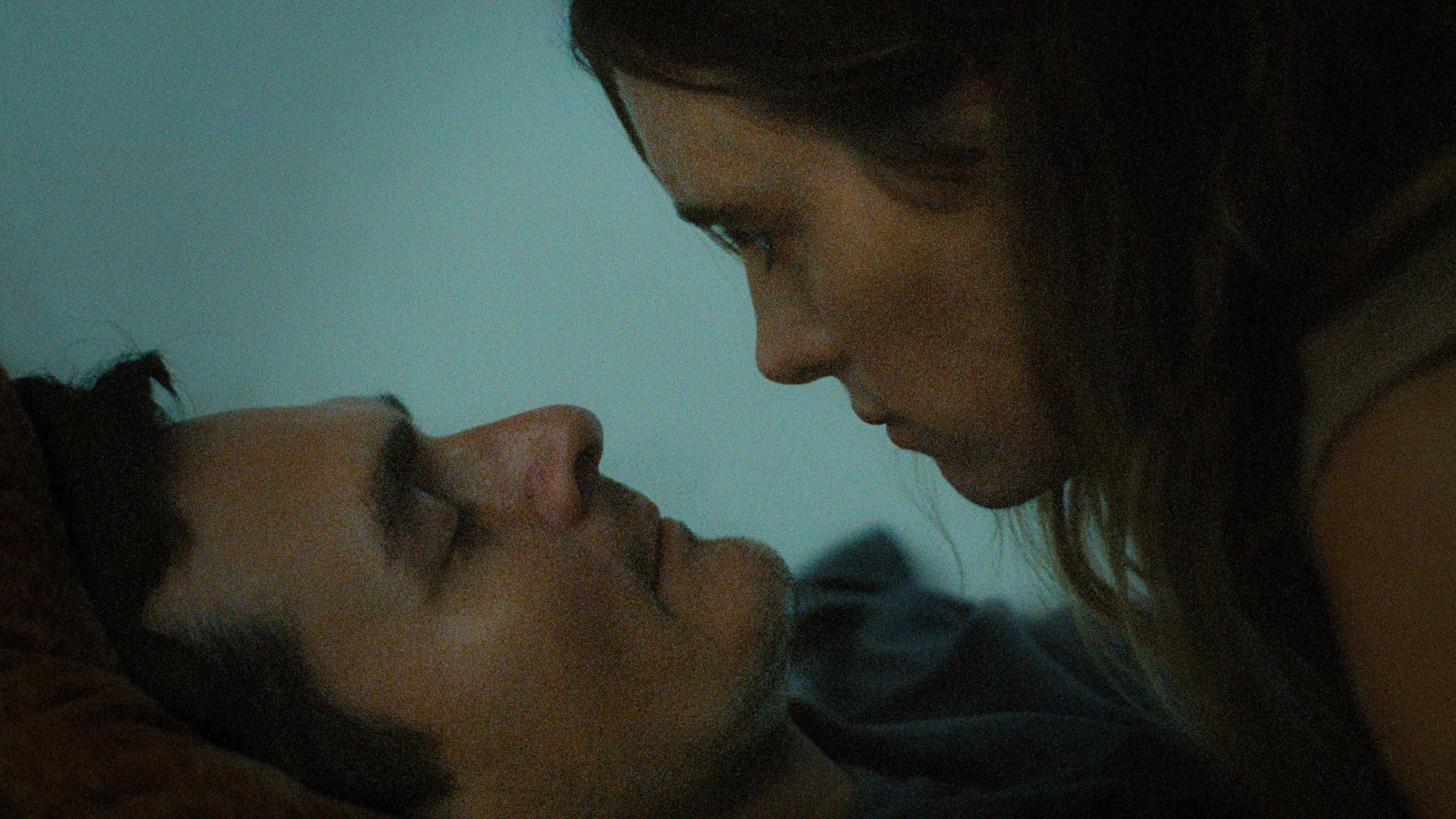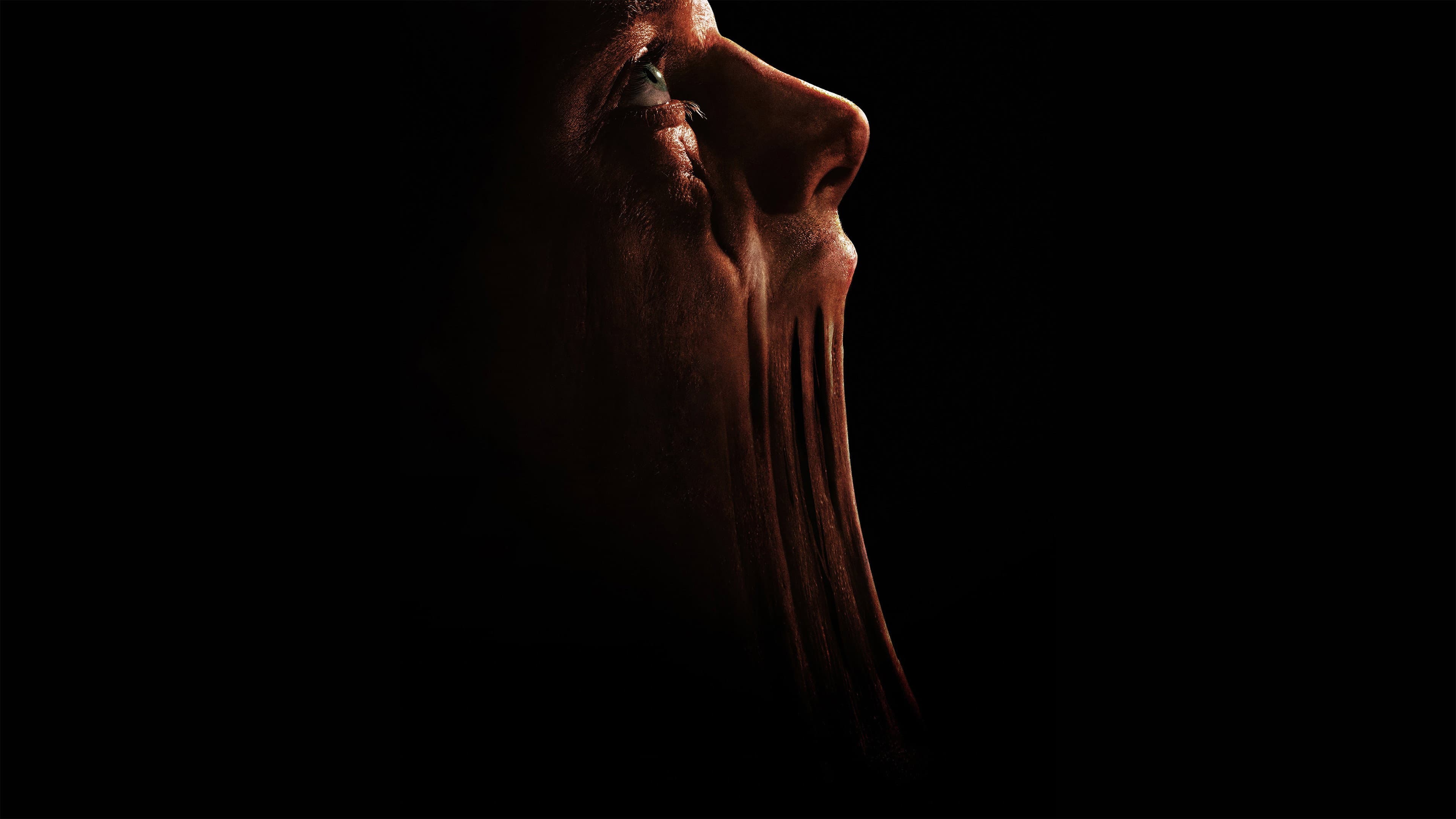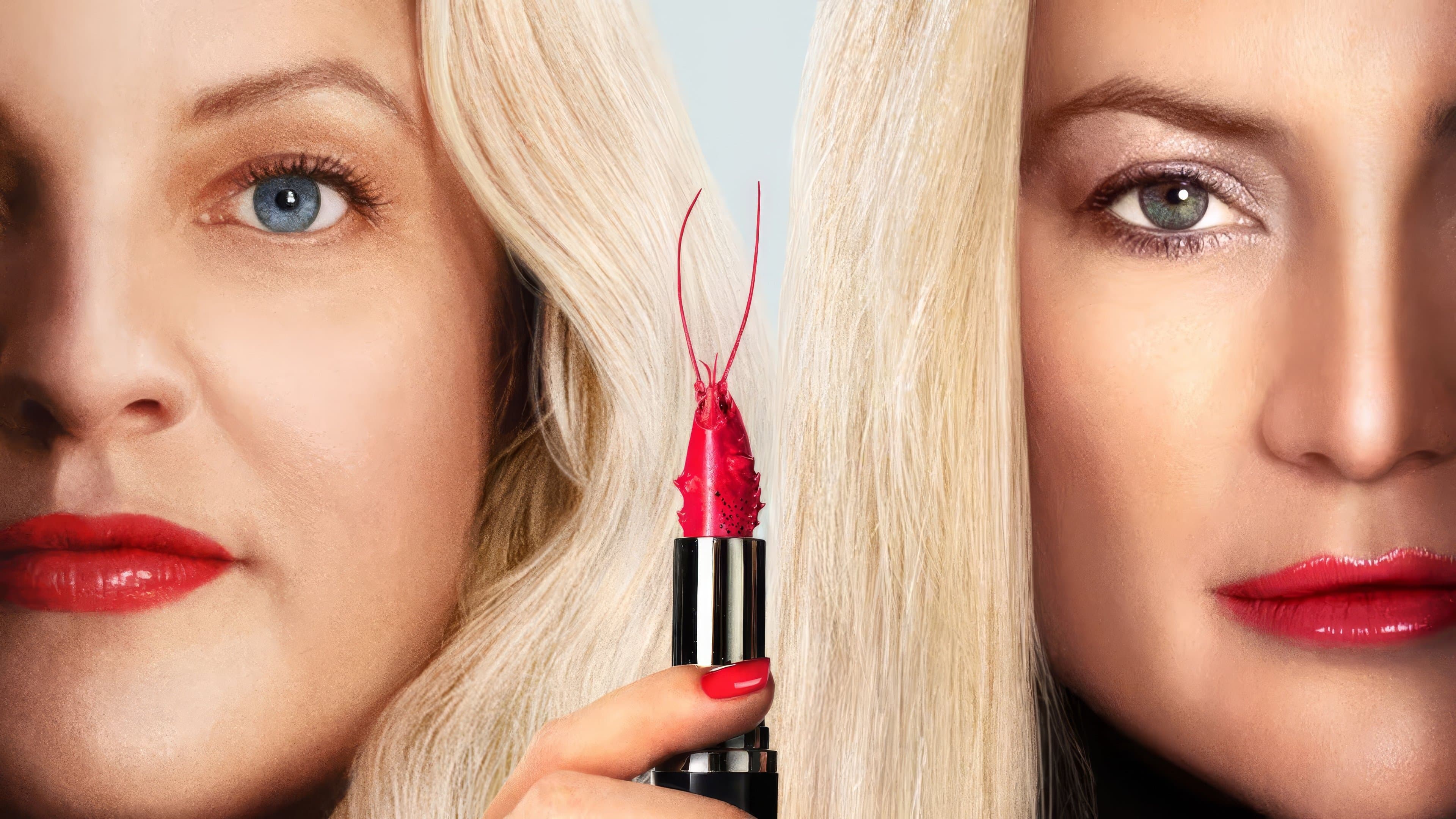
The pitch alone was enough to raise eyebrows across town: Elisabeth Moss as a faded screen star, Kate Hudson as the wellness guru who might be her salvation, and Max Minghella in the director's chair for a story about the monstrous cost of staying forever young. A year after its October 1, 2025 release, Shell has settled into that curious afterlife reserved for movies that audiences met with a shrug and critics never quite stopped arguing about. Its ratings tell the story plainly enough - a 4.9 on IMDb, a 4.971 on TMDb - and yet the film refuses to vanish from the conversation. Call it the durability of discomfort.
The premise is a Los Angeles fever dream. Samantha Lake, once beloved, now desperate to reclaim a career that has slipped through her fingers, is drawn into the orbit of Zoe Shannon, a wellness mogul whose empire gleams with the promise of reinvention. What Samantha finds beneath that flawless surface is the film's real subject, and Shell takes its time peeling it back across 102 minutes. Minghella, working from a script that keeps its cards close, stages the seduction of wellness culture with genuine allure before letting the rot show. The result is less a jump-scare machine than a slow, queasy study of what people will swallow to be admired again.
Moss is the film's engine. Her Samantha is vain, wounded, and achingly recognizable - an actress who has learned to perform gratitude while quietly starving. The role asks her to swing between brittle charm and raw panic, and she does it without ever asking for sympathy. Hudson, meanwhile, gets the trickier assignment. Zoe Shannon could have been a cartoon, a snake-oil empress with a blinding smile. Instead, Hudson plays her as a true believer, which is far more unsettling. The film's best scenes are two-handers between the women, shot in rooms so tastefully appointed they feel like traps.
Around them, the supporting cast reads like a smart party guest list. Kaia Gerber appears as Chloe Benson, Arian Moayed turns up as Dr. Hubert, Este Haim plays Lydia, and Elizabeth Berkley - a nod to anyone who remembers the 1990s - is Jenna Janero. Amy Landecker's Detective Flores threads through the back half, and Leanne Suter anchors the broadcast segments that punctuate the story. It is an ensemble that understands the assignment: play it straight, let the material curdle on its own.
What lingers, a year on, is how Shell anticipated a cultural mood rather than merely exploiting it. The wellness-industrial complex has only grown more baroque since 2025, its faces more polished, its promises more extravagant. Minghella's film, part horror, part drama, part thriller, treats that world as a natural habitat for predators and their willing prey. The title itself works on at least two levels - the protective casing we present to the world, and the hollow thing left when everything inside has been scooped out. There is a scene late in the film, in which a mirror does more acting than most of the cast, that has become a quiet touchstone among genre fans on social media.
The film's detractors found it cold, its satire too knowing, its pacing too patient for audiences raised on jump cuts. There is truth in that. Shell is not interested in being liked. It is interested in the moment a person decides that the cost of relevance is worth paying - and then shows you the invoice. The ratings suggest a divided audience, but division is not the same as dismissal. Movies that split a room often outlast the ones that pleased it.
What the film has quietly become, then, is a cult proposition in waiting. It sits comfortably alongside the era's more unsettling Hollywood self-portraits, the kind that treat ambition as a body-horror premise without ever raising their voice. Minghella keeps the frame composed and the temperature low; the horror arrives through implication, through a compliment that lingers a beat too long, through a smile that does not reach the eyes. It is a film about performance made by people who understand performance, and that insider knowledge gives every scene a faint aftershock.
A year out, Shell looks less like a misfire and more like a slow-burning artifact of its moment - a movie about the hunger to be seen, dressed in the most flattering light imaginable before the lights go out. It did not conquer the box office conversation, and by the numbers it never will. But it has done something rarer. It has gotten under the skin, and it has stayed there, which is precisely what its protagonist was warned about.