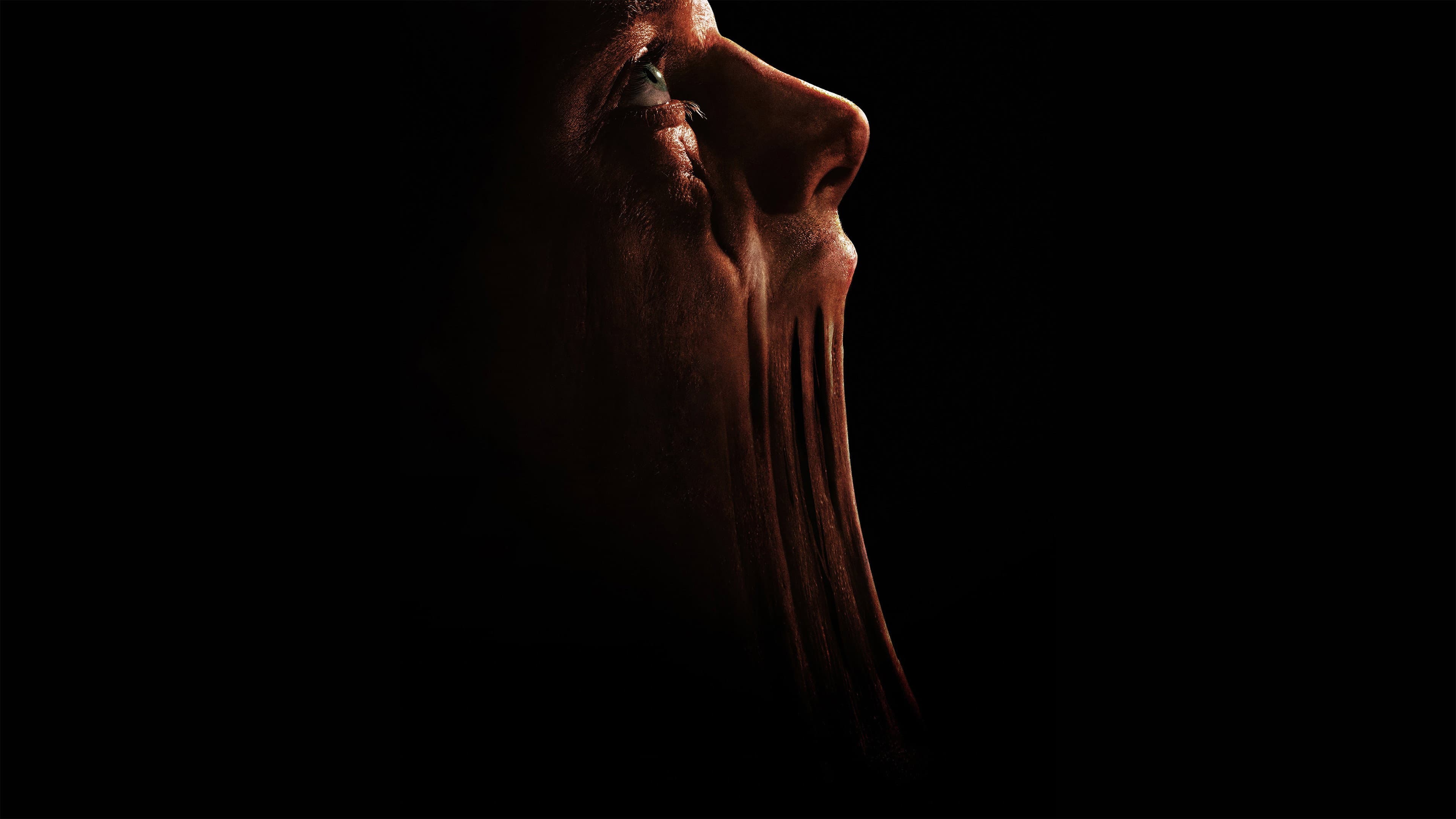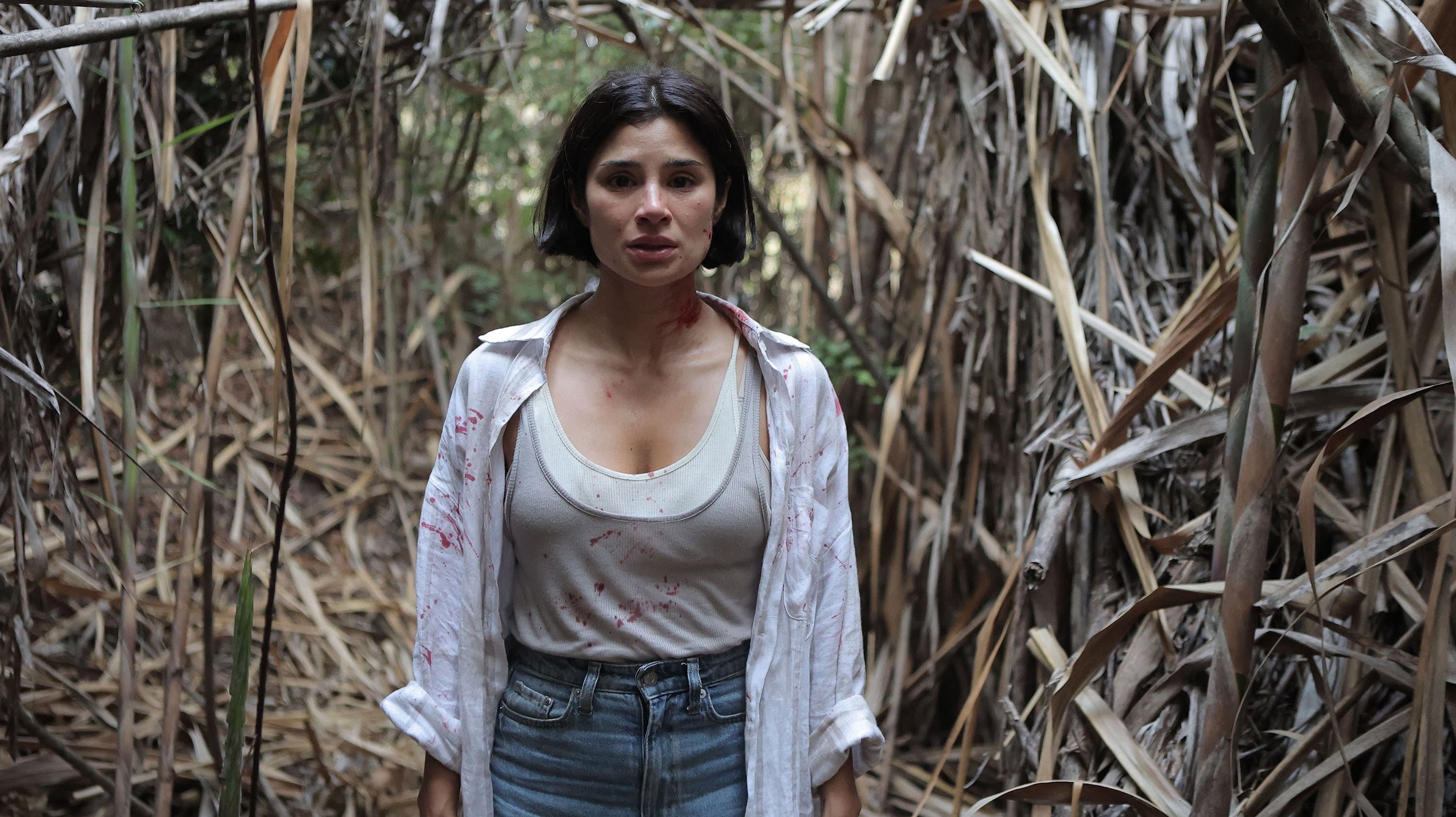
The Castillos arrive at their inheritance by night, headlights carving through the tall grass of a Venezuelan farm they never asked for. That image - two grieving Americans stepping into a darkness they cannot yet name - is the engine of The Whistler, Diego Velasco's 97-minute descent into grief, folklore, and the things that wait in the countryside. The film opened on September 24, 2026, and four months later it remains one of the strangest, most stubborn titles of the fall season, a Hollywood production that trades jump-scare comfort for something far more unsettling: the sound of a dead child's voice carried on the wind.
The premise is simple on its surface. Nicole and Sebastian Castillo, played by Diane Guerrero and Juan Pablo Raba, are reeling from the loss of their daughter. Into that void comes an inheritance: a secluded farm in Venezuela, left to them by a relative Sebastian barely remembers. It is the kind of gift that looks like mercy at first glance. The couple pack their lives into boxes and leave behind the house where their daughter's bedroom door stays closed. What they find on the other side is not peace but Petra, an old woman who tends the land with a devotion that borders on worship, and Laureano Silverio Moré, a neighbor whose smile never quite reaches his eyes.
Velasco, working from a script that keeps its revelations close to the chest, is less interested in explaining the farm's history than in letting it seep into the frame. The film's early scenes are patient, almost pastoral. Nicole wanders the property at dusk. Sebastian repairs a fence that keeps coming loose. Petra warns them, in Spanish that the film renders for its audience with quiet precision, that some things on this land are better left undisturbed. The audience knows what the Castillos do not: that the warnings are not superstition, and that the noise they keep hearing - a low, melodic whistle at the edge of the treeline - is not the wind.
Horror has always understood that grief is a door. The Whistler walks through it. Guerrero plays Nicole with a rawness that refuses to look away from the camera; her performance is a study in a woman who has already lost everything and therefore has nothing left to fear, until she discovers that fear can still surprise her. Raba matches her with a quieter turn, a man trying to hold a household together while something in the soil beneath him is coming apart. Indhira Serrano's Petra is the film's most unnerving presence precisely because she is not a villain. She is a believer. The distinction matters, and Serrano plays it with unnerving calm.
Then there is the Moré family. Laureano Olivares brings a paternal menace to Laureano Silverio Moré, a man who knows more about the Castillos' daughter than a stranger should. Laura Sofía Domínguez, as Greisy Moré, turns in the kind of performance that lingers after the credits - a girl who seems to be everywhere and nowhere, whose games have rules no one bothered to explain. Diego Landaeta, Carlos Velasquez, and Norberto Rivera round out a supporting cast that Velasco trusts with long, silent takes, the camera resting on faces that reveal exactly enough.
What separates The Whistler from its genre peers is its refusal to locate evil in a single body. The farm itself is the antagonist. The land remembers. The whistle, when it finally arrives in full, is not a monster's roar but a song, and the film's most disturbing suggestion is that the Castillos are not victims of a haunting but participants in a history they have inherited. That the movie earned a 1-out-of-10 rating from TMDb users speaks less to its quality than to its approach: this is not a film built to be loved on first contact. It is built to be argued about.
Velasco has never been a director who flatters an audience. His camera lingers where a lesser filmmaker would cut. Dialogue goes unfinished. Explanations arrive, when they arrive at all, in the margins of scenes about something else entirely. The result is a horror film that respects silence, that treats its Venezuelan setting not as an exotic backdrop but as a living character with its own hungers. Hollywood rarely produces this kind of movie anymore - patient, regional, unwilling to apologize for its ambiguity.
The Whistler is not an easy night at the movies. It is, however, a memorable one. For audiences willing to sit with a film that would rather unsettle than explain, it offers something increasingly rare: a horror story that trusts you to hear the whistle for yourself.