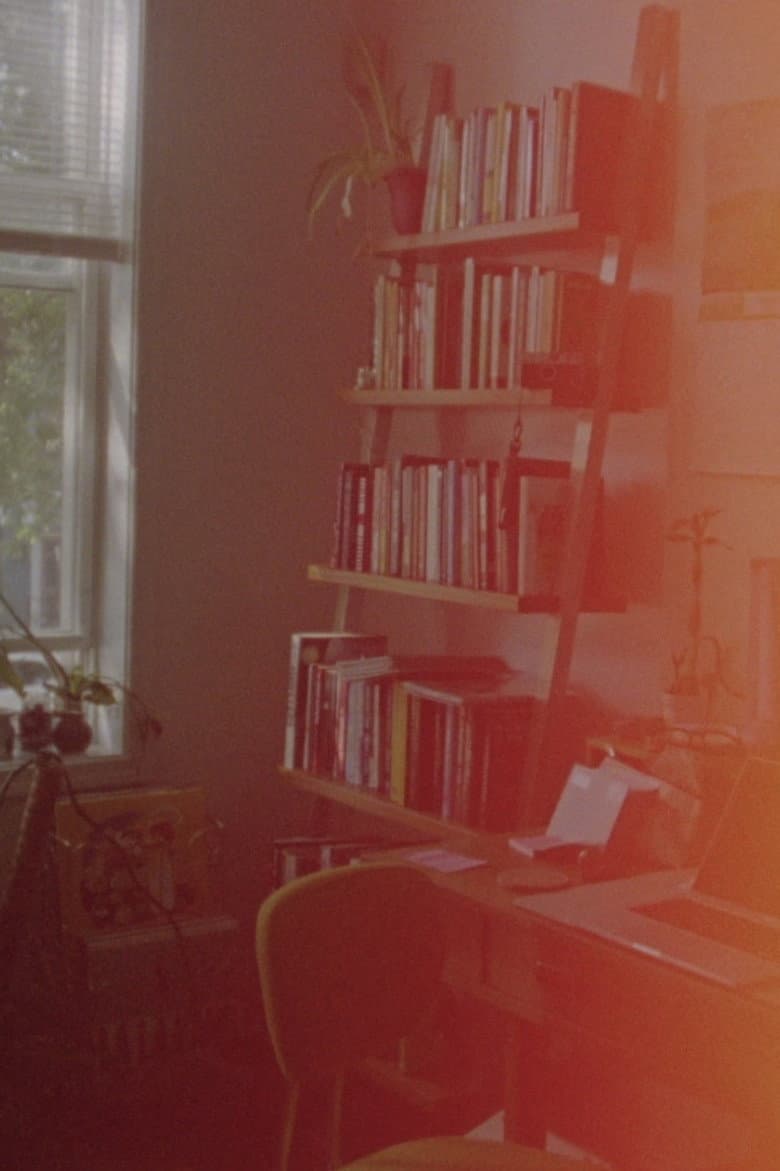
There is a particular kind of magic that only exists in the flicker of a projector, and this week, Hollywood Buzz has caught wind of a little gem that captures that feeling perfectly. On October 11, 2026, while the industry is busy hyping nine-figure blockbusters, a silent short film titled THIS IS WHERE I WANT TO BE is quietly making the rounds - a two-minute love letter to Chicago, shot on 16mm Kodak T200, and built entirely by hand.
Release Date & Where to Watch
Here's the honest truth: there is no distributor, no streaming date, and no theatrical window on the books. The verified release information for THIS IS WHERE I WANT TO BE remains unknown, which is precisely what you'd expect from a project born out of the Chicago Film Society's Intro to 16mm class. This isn't a film that gets "dropped." It gets screened - likely in a classroom, a microcinema, or a film society event where a single, original print is threaded through a projector and allowed to run, unedited, from start to finish.
That's part of the appeal. In an era of algorithmic release strategies and same-day digital rollouts, a two-minute short with no announced drop date feels almost rebellious. Keep your eyes on the Chicago Film Society's calendar and local repertory houses. If you're in the Windy City, this is the kind of thing that surfaces at a members' showcase or a student screening night. If you're not in Chicago, you'll have to hope someone posts a scan - though the creators seem intent on preserving the analog experience.
Cast & Crew
The credits here are refreshingly sparse. There is no director listed. No cast. No recognizable names to anchor a marketing campaign. What we do know is that the film was made possible by the Chicago Film Society's Intro to 16mm class, which means the crew is almost certainly a small collective of students and enthusiasts learning the physical craft of motion picture photography.
Shooting on Kodak T200 - a black-and-white 16mm stock - requires patience, discipline, and a willingness to embrace imperfection. You can't review a take on a monitor. You can't reshoot endlessly. Every frame costs money and time. The fact that this team pulled off a film featuring over 30 locations across Chicago speaks to a level of dedication that's rare in an age of digital convenience. No cast means no performances to praise, but the city itself becomes the star - and the crew's fingerprints are all over every frame.
Story & What to Expect
THIS IS WHERE I WANT TO BE is a silent film. No dialogue. No narration. No score to tell you how to feel. Instead, you get two minutes of pure visual storytelling, captured on 16mm and presented as an unedited scan of the only, original print.
What does that look like? Expect grain. Expect contrast. Expect the texture of a city rendered in silver halide, not pixels. The film features over 30 locations across Chicago - alleys, el platforms, storefronts, lakefront stretches, maybe a bridge or two. The title suggests a declaration, a moment of arrival, a person or a camera saying: this is it. This is home. This is where I belong.
Because it's a student-made short, don't expect a three-act structure or a twist ending. The pleasure here is atmospheric. It's a tone poem, a sketchbook, a series of moving postcards stitched together with love. The "unedited scan" detail is crucial - what you're seeing is the raw material, the actual print, without digital cleanup or color correction. It's as close as you can get to holding the film strip up to the light.
Why It's Worth Watching
Let's be blunt: a two-minute silent short with no release plan and a 0/10 TMDb rating is not going to win awards season buzz. But that's not the point. THIS IS WHERE I WANT TO BE is worth your attention because it represents something increasingly endangered - the physical act of making movies.
The Chicago Film Society's Intro to 16mm class exists to keep that tradition alive. Every student who loads a magazine, threads a camera, and sends off a roll for processing is pushing back against the idea that cinema is just content. This film was created with a lot of love. You can feel it in the limitations: the fixed focal length, the lack of sync sound, the reliance on natural light and real locations.
In a year when Hollywood is betting billions on spectacle, here's a reminder that two minutes of grainy black-and-white footage of a city's sidewalks can hit just as hard. It won't be for everyone. It might never play outside of Chicago. But if you get the chance to sit in a dark room and watch a single 16mm print flicker across a screen, take it. That's where you want to be.