The summer of 2026 is officially on its last legs, and as the final rays of sunshine stretch long across the horizon, a tiny, two-minute gem is arriving to capture the precise ache of that bittersweet goodbye. While the multiplexes are still dominated by explosive blockbusters and CGI-laden epics, a quiet little film called “Yesterday’s Summer Blues” is sneaking onto screens, offering something altogether more intimate. It’s a micro-dose of emotional realism, a fleeting glimpse into a moment that feels both deeply personal and universally understood. And for those willing to press pause on the spectacle, it might just be the most honest piece of cinema you see this month.
Release Date & Where to Watch
Mark your calendars for today, August 17, 2026. “Yesterday’s Summer Blues” is not getting a wide theatrical rollout; instead, this is a festival-circuit darling and a streaming exclusive. The film is poised to premiere on select digital platforms, making it instantly accessible for anyone craving a quick, poignant escape. Given its runtime, it’s perfect for a lunch break, a late-night scroll, or a moment of quiet reflection. You’ll likely find it on major VOD services and premium streaming tiers, but given the current landscape, the best bet is to check the film’s official social media channels for the most direct link. It’s a deliberate choice for a story this brief - it forces the audience to seek it out, to make a conscious decision to engage with its melancholy. The brevity isn’t a gimmick; it’s a statement of intent.
Cast & Crew
In the director’s chair is Mariana Sá, a filmmaker whose previous shorts have quietly circulated through indie circuits, earning a reputation for a restrained, observational style. She has a knack for finding the drama in the mundane, and here she’s paired with two rising talents who are clearly up to the task. Florence Lenon and Léa Jean star as Flo and Léa, respectively. The on-screen chemistry is the film’s beating heart; it’s hard to believe these two aren’t lifelong friends, given the easy, unforced rapport they bring to the screen. Lenon carries a sense of restless energy, the friend who’s eager to leap into the unknown, while Jean embodies a more grounded, contemplative presence - the one who feels the weight of the goodbye more acutely. Sá’s direction is confident and unhurried, letting the camera linger on small details - a shared glance, a half-smile, the way sunlight hits a glass of lemonade - allowing the performances to breathe within the film’s compact framework. This is a three-person piece, and the trust between the director and her two leads is palpable on screen.
Story & What to Expect
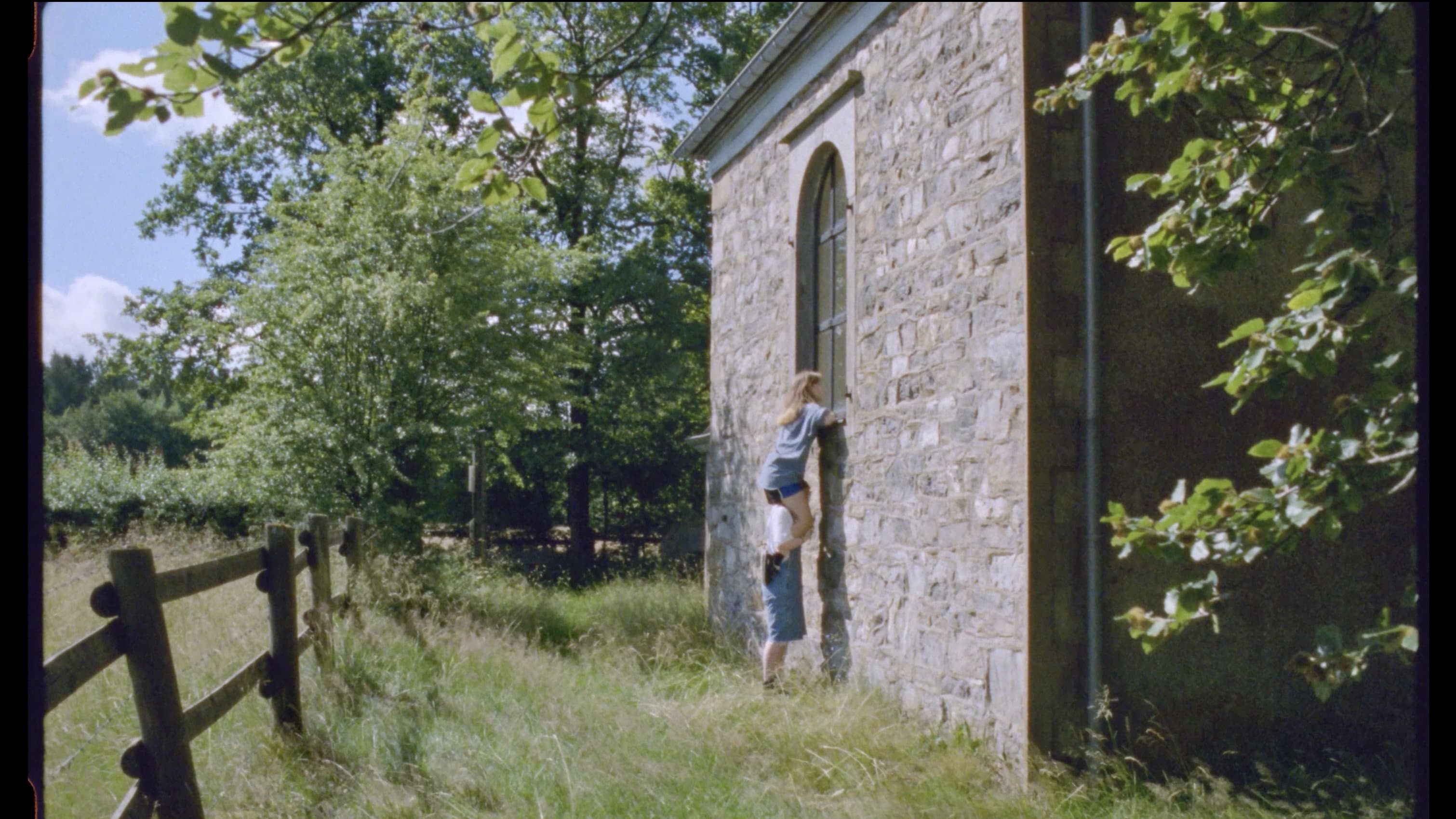
The plot is deceptively simple. It’s the last day of summer, and two friends, Flo and Léa, are spending a few final hours together before their paths diverge. They drift through their usual haunts - a sun-drenched park bench, a quiet street corner, perhaps a familiar café - but the familiar has taken on a new, almost fragile texture. The conversation is light, filled with inside jokes and comfortable silences, but the subtext is heavy with unspoken feelings. This isn’t a story about dramatic arguments or tearful farewells. It’s a film about the small, quiet moments that make up a friendship, and the dawning realization that these moments are becoming memories.
Expect a masterclass in visual storytelling. With no time for lengthy exposition, Sá relies on imagery and micro-expressions to convey the emotional landscape. A long shot of the two friends walking away from the camera, their shadows stretching long in the late afternoon light, says more than any dialogue could. The color palette is presumably a wash of warm golds and fading greens, shifting subtly to cooler blues as the inevitable evening approaches - hence the title’s “blues.” The sound design will be crucial, likely featuring the gentle buzz of cicadas and distant traffic, creating an immersive soundscape of a world in transition. It’s a film that respects the viewer’s intelligence, trusting that you’ll fill in the gaps between the silent beats. The two-minute runtime means every single shot is weighted with purpose; there’s no room for fluff.
Why It's Worth Watching
In a world of three-hour epics and sprawling cinematic universes, “Yesterday’s Summer Blues” is a radical act of economy. It’s an argument that a story doesn’t need a grand canvas to be profound, only a keen observation of truth. This film is for anyone who has ever had a friend move away, who has known the specific sadness of a season ending, or who has looked back on a perfect afternoon and realized it was already gone. It’s a meditation on impermanence, told without a shred of sentimentality.
The film’s power lies in its restraint. It doesn’t tell you how to feel; it simply presents a moment and lets it resonate in your own experience. It’s the kind of short that lingers in your mind long after the credits roll, prompting you to think about your own “yesterday’s summer blues.” The lack of a high TMDb rating is a testament to its newness, not its quality - this is a blank slate, a story waiting to be discovered and appreciated by the right audience. It’s a bold, quiet statement from a promising director and a lovely showcase for its two leads, proving that sometimes, the smallest films are the ones that hit the hardest. For a brief, beautiful breath of cinematic air, it’s absolutely worth your time.