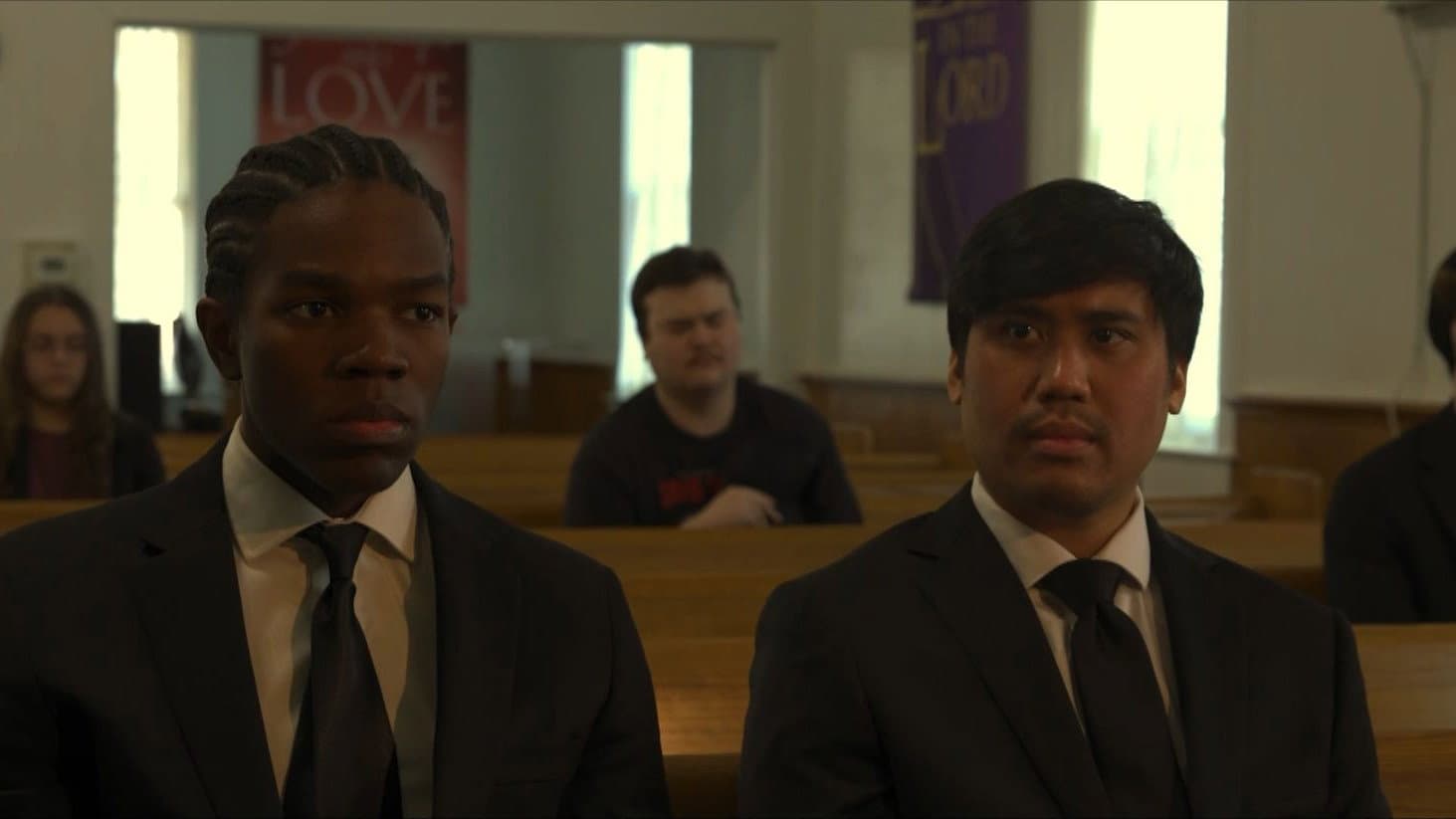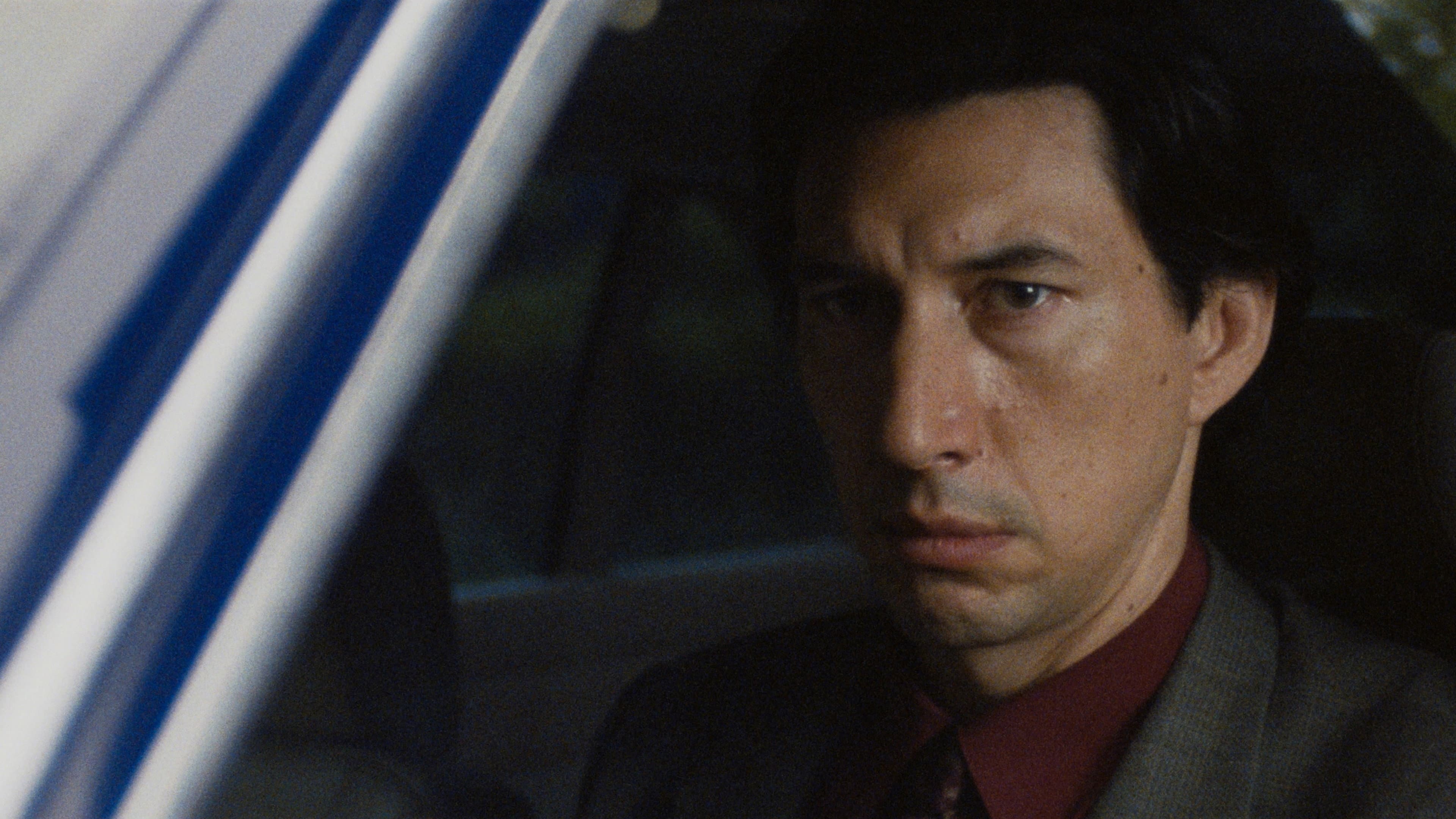
The children’s television host at the center of “Monkey’s Magic Merry Go Round” wakes up with a hole where his life used to be, and the puppets are the least of his problems. Aidan Leary’s horror feature, released in theaters on May 14, 2026, follows James Jensen, played by Michael Gilio, as a beloved fixture of gentle, brightly colored children’s programming who finds himself piecing together a past he can no longer trust. The official synopsis is blunt about where that road leads: his once-cheerful puppet co-stars begin behaving with sinister intent, and the line between performance and nightmare dissolves.
That premise places Leary’s film in a durable tradition of stories that poison the well of childhood nostalgia, but the execution here appears to hinge on the specific texture of a man unraveling inside a job built on cheer. Jensen’s amnesia isn’t just a plot device to unlock exposition; it’s the engine of a slow-motion identity crisis. The puppet troupe that surrounds him on set is a veritable rogue’s gallery. Frank Cesario handles the dual role of Monkey and Profoctopus, with C.R. Thompson credited as Monkey’s “Hands” - a detail that quietly suggests the production is as interested in the mechanics of illusion as it is in the scares. Jackie Shook plays Fausty Fox, Connar Brown Sprenger appears as Bird and Beaver, Ben Gojer voices Beaver, Rob Chesler inhabits King Rory Lion, and Erick Heyer-Fogelberg rounds out the cast as Ferret.
The film’s title promises carnival whimsy, and Leary seems to be delivering it only to pry it apart. A merry-go-round implies repetition, and repetition is exactly what a man without memories cannot afford. Every performance becomes a potential loop, every familiar catchphrase a clue that might not add up. The cast is small and mostly unknown to mainstream audiences, which works in the material’s favor - there is no movie star baggage to break the spell. Gilio carries the bulk of the emotional weight as a man whose professional warmth curdles into private dread.
“Monkey’s Magic Merry Go Round” runs a lean 91 minutes, a runtime that suggests Leary and his collaborators favor economy over padding. Horror comedies that turn on nostalgia often overstay their welcome once the central joke wears thin; a tight running time at least signals a director who knows the clock is part of the tension. The genres listed are horror first, but the premise leans on dark humor - the absurdity of a grown man being menaced by felt and fabric. How the balance lands between laughs and genuine unease will be for audiences to discover.
Since release, the film has settled at a 7.472 out of 10 rating on TMDb, a respectable showing for a mid-budget genre picture arriving in the crowded spring corridor. That number suggests audiences who found it have responded to something in the material - perhaps the specificity of the setting, perhaps the way the puppet characters are credited as fully realized performances rather than props. A children’s show is a closed ecosystem, a tiny universe with rules and rituals, and horror loves nothing more than a closed ecosystem with one rule broken. If Jensen can’t trust his own memories, he also can’t trust the routine that shaped him. The show must go on, but what is it going on for?
For Hollywood, the film is also a reminder that horror remains one of the most reliable proving grounds for new directorial voices. Leary is not working with a franchise-size budget, and the film’s appeal will depend on atmosphere and performance rather than spectacle. The dual-role casting of Cesario as both Monkey and Profoctopus is the kind of choice that rewards attentive viewers - one performer, two very different kinds of threat, connected by the same hands. Thompson’s credit as those hands is either a joke for the credits crawl or a thesis statement. Given the amnesia-driven story, likely both.
The film does not appear to be chasing jump-scare trends or resetting a franchise for a sequel-ready universe. It reads as a self-contained descent, a one-man unraveling surrounded by smiling, stitched faces. With Gilio at the center and a supporting ensemble committed to treating puppets as characters rather than punchlines, “Monkey’s Magic Merry Go Round” arrives as a curious, unsettling piece of work - the kind of movie that asks whether the shows we loved as children were ever as innocent as we remember, and whether the people who made them survived the job.