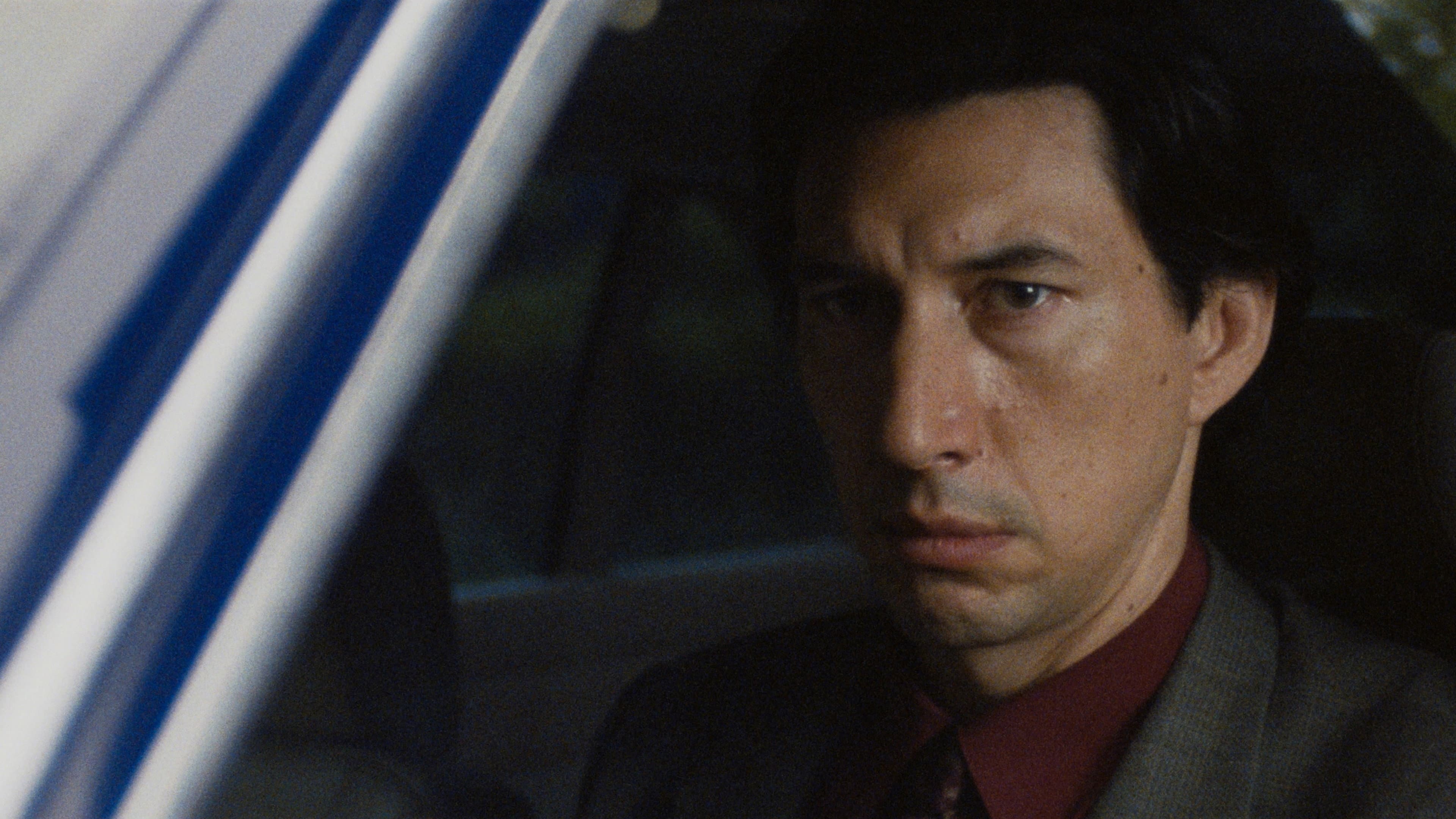
The house lights had barely come up at the Village Theatre on November 13 before the first wave of murmurs rolled through the lobby. James Gray had done it again - and this time, he'd brought Miles Teller and Adam Driver along for the ride. "Paper Tiger," the director's bruising new crime drama, opened to the kind of immediate, visceral reaction that suggests awards-season conversations are about to get considerably louder.
On its surface, the premise has the clean, almost classical lines of a Gray film: two brothers, Irwin (Teller) and Gary Pearl (Driver), stumble into a scheme that glitters with promise and turns out to be too good to be true. The machinery behind it belongs to the Russian mafia, and what follows is a slow, methodical descent into a world where every favor has a price and every handshake hides a blade. The film runs 115 minutes, and by all accounts not a single one of them is wasted.
What separates "Paper Tiger" from the crowded field of underworld thrillers is its refusal to treat the mob as the story's true subject. The mafia here is weather - an atmosphere that corrodes everything it touches. The real drama unfolds inside the Pearl family, and Gray, working from a script that crackles with the director's signature mix of dread and tenderness, keeps the camera trained on the bonds that begin to fray. The title itself hangs over the proceedings with a quiet, cruel irony: something that looks fearsome until you press it.
Teller, long one of his generation's most intriguing actors, plays Irwin as a man whose ambition outpaces his judgment. Driver's Gary is the counterweight - watchful, wary, the older brother who senses the trap before he can name it. The pairing is the film's engine, and early audiences have been vocal about the electricity between the two. "There's a scene about forty minutes in where neither of them says a word for almost three minutes," one attendee said after a recent screening. "You could hear the room breathing. That's the whole movie in one sequence."
Scarlett Johansson anchors the film's emotional core as Hester Pearl, and her presence lends the brothers' unraveling a domestic gravity that keeps the stakes achingly human. The supporting ensemble is stocked with sharp turns: Gavin Goudey and Roman Engel as Scott and Benjamin Pearl, Cindy Katz as Iris Belfer, and - in the film's most quietly menacing corners - Yavor Vesselinov as Alexei Yunov and Victor Ptak as Semion Bogoyavich. Gray regulars will recognize the director's habit of casting character actors who can make a single line land like a verdict.
The technical side of things has drawn its own admiration. Gray, who has always been a tactile filmmaker, shoots the criminal underworld with an unglamorous honesty - no neon-drenched nightclub fantasies, no stylized slow motion. The result is a movie that feels lived-in and, at times, uncomfortably close. Audiences have responded: the film currently sits at 8/10 on TMDb and 7/10 on IMDb, warm numbers for a November release with serious dramatic ambitions.
It's worth noting what "Paper Tiger" is not. It isn't a caper, despite its premise, and it isn't a redemption story, despite its title. Gray has spent his career examining men who mistake momentum for destiny - "We Own the Night," "The Yards," "The Immigrant" - and here he applies that lens to a family rather than a single soul. The brothers' scheme is less a plot device than a test: what happens when the thing you want most requires you to become someone your family can't recognize?
The release calendar was already crowded by mid-November, but "Paper Tiger" arrives with the weight of a film that knows exactly what it is. Gray's name alone guarantees a certain kind of attention; the Teller-Driver pairing guarantees another. But it's the movie's refusal to flinch - from the violence, from the collateral damage, from the quiet betrayals that precede the loud ones - that people are still talking about after the credits roll.
For a director who has spent decades exploring the fault lines of loyalty, "Paper Tiger" may be his most intimate excavation yet. The brothers Pearl are not heroes, and the film doesn't pretend otherwise. They're ordinary men who made a deal with a world that doesn't negotiate, and the bill is coming due. As one audience member put it, walking out into the November cold: "It's not about whether they get out. It's about who they are by the time they do."
That's the kind of question Gray has always loved. And in a season full of loud, expensive noise, "Paper Tiger" arrives as something rarer - a film that earns its silence.