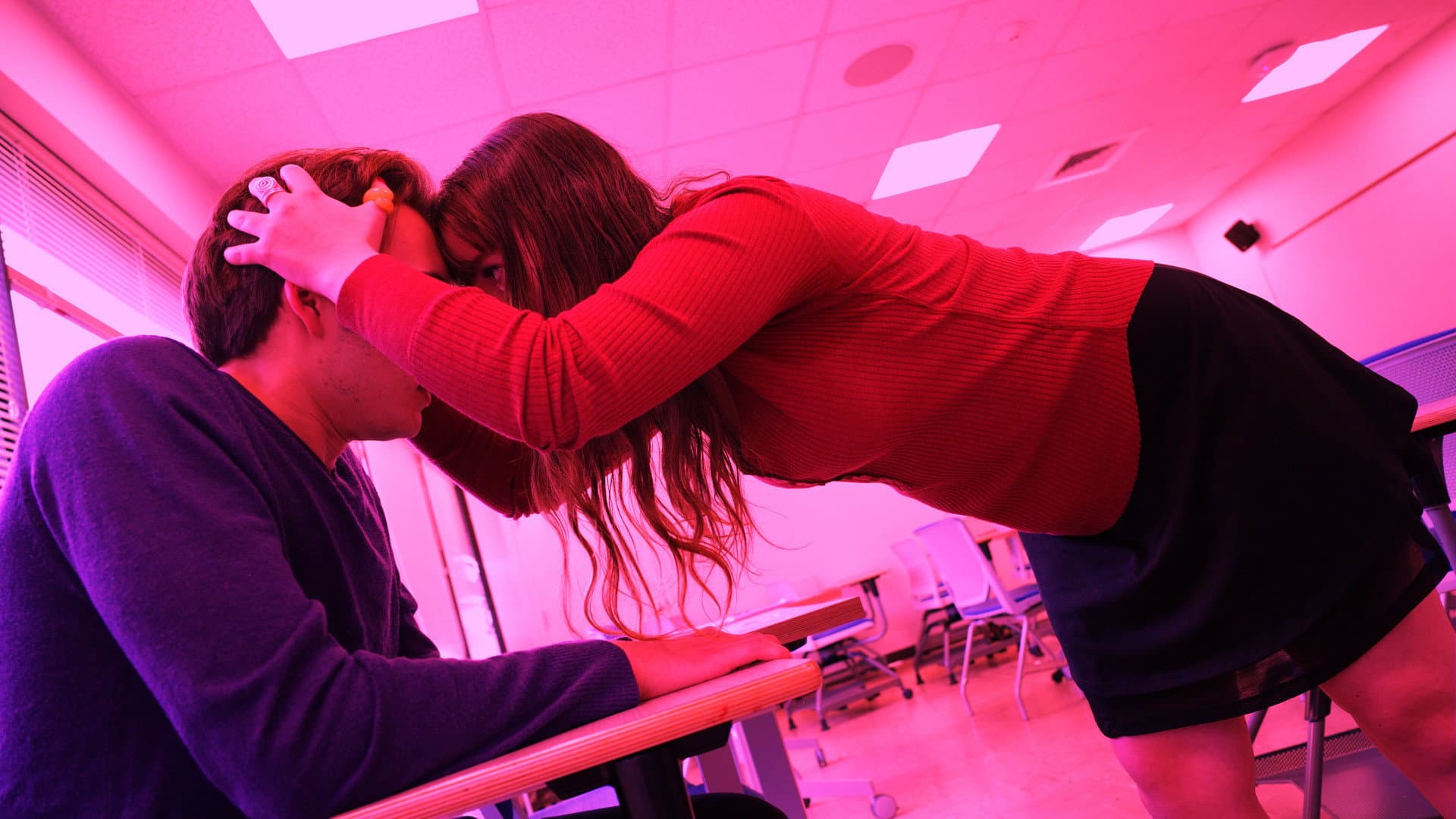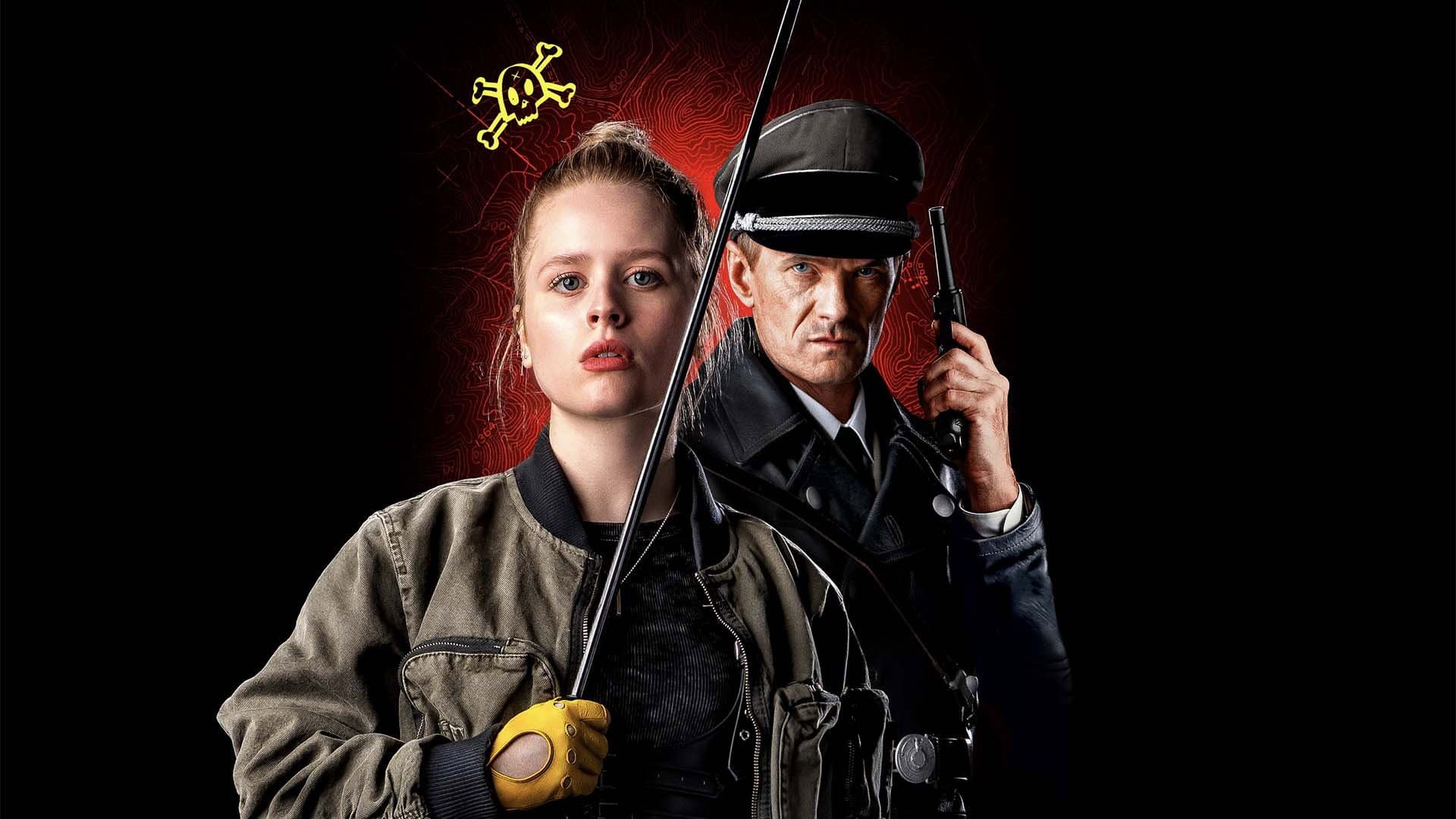
The Wolf's Lair, Hitler's eastern front headquarters, is not the first place you'd expect to find a teenage girl with a talent for improvisational violence. Then again, Becky isn't your average teenager. Since 2020's "Becky" and its 2023 follow-up "The Wrath of Becky," Lulu Wilson's pint-sized berserker has carved her way through neo-Nazis and home invaders alike, and this November she's back in "The Last Temptation of Becky," a film that takes the franchise's bloody formula and drops it into a bunker full of historical ghosts.
Directed by Jenn Wexler, the filmmaker behind the gritty punk horror "The Ranger," the new installment opens with Becky no longer on the run. She's been recruited by the CIA, of all institutions, and sent undercover to Poland. Her assignment: infiltrate a family of innkeepers running a tourist venture at the Wolf's Lair, the sprawling, half-ruined bunker complex where the Nazi high command once plotted. It's the kind of premise that sounds absurd on paper until you remember this is a series that once had Becky dispatch a cult leader with a meat tenderizer.
What she finds in Poland is a family that treats the bunker less as a tourist attraction and more as a shrine. Wilhelm Reuss, played with unnerving warmth by Neil Patrick Harris, runs the operation alongside his wife Helga (Catherine Walker) and their children Luisa (Aoife Hughes) and Otto (Noah Leggott). The Reuss family presents a tidy bed-and-breakfast front, but Wexler's camera keeps lingering on the wrong details - the polished boots, the framed photographs, the way Wilhelm speaks about the past in the present tense. Becky learns soon enough that Wilhelm is on a mission to bring about the Fourth Reich, and that the guesthouse is a recruiting ground as much as a tourist trap.
It's a role that asks Harris to do something different from his recent work. Known for a certain arch charm, he plays Wilhelm with a smile that never quite reaches his eyes, a man who can pour tea and talk about extermination in the same measured breath. Wilson, meanwhile, has grown into the role - literally. Now in her early twenties, she plays Becky with a harder edge and a more weary deadpan, a young woman who has survived so much that the CIA's offer of purpose feels less like an opportunity than a bad joke she's decided to take seriously anyway.
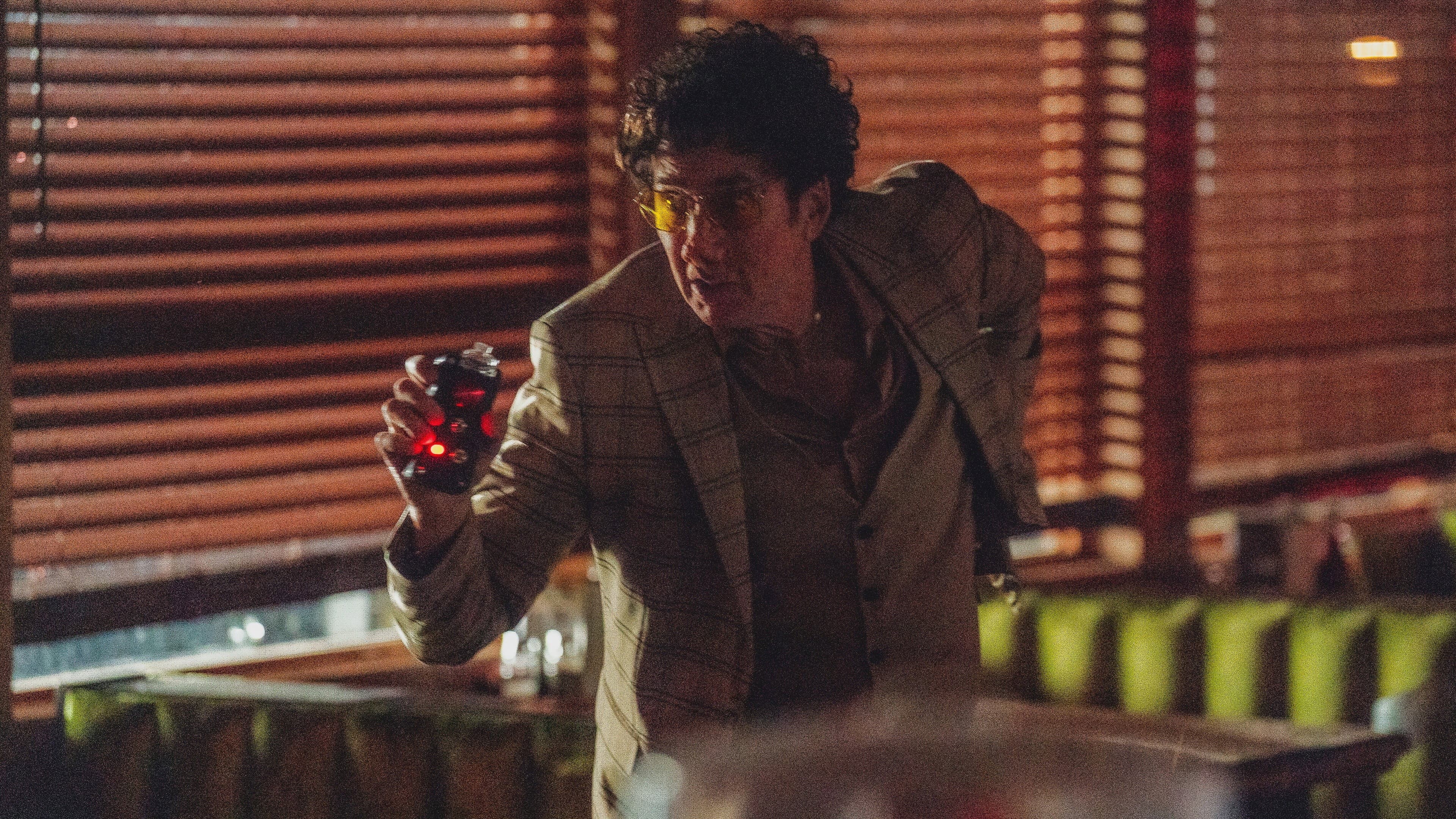
Kate Siegel arrives as Agent Kate Montana, Becky's handler and the film's closest thing to an adult in the room, though the room keeps filling with knives. James Urbaniak turns up as Dr. Friedrich Metzger, a true believer whose scholarly affect makes him the most unsettling figure in the cast. Brandon Flynn rounds out the ensemble as Jordan Rigby, a fellow operative whose loyalties become one of the film's more satisfying questions.
Wexler's direction favors claustrophobia over spectacle. The bunker's concrete corridors and dim tourist lighting are put to good use, and the film's eighty-nine-minute runtime moves with the efficiency of a well-aimed punch. The action sequences are brutal and quick, staged with an emphasis on physical space - the way a hallway narrows, the way a door won't quite close. Horror and thriller elements bleed into each other throughout, and Wexler proves comfortable with both the slow dread of a dinner table conversation and the sudden, splattery release of a well-timed kill.
The film arrives with a 7/10 rating on TMDb and a 7.1 on IMDb, numbers that suggest audiences are receiving it as a solid, if not transcendent, continuation of the series. Given the franchise's modest but devoted following, that tracks. The original "Becky" was a pandemic-era sleeper hit, and its sequel expanded the scope without losing the mean, scrappy energy that made the first film work. "The Last Temptation of Becky" continues that trajectory, trading some of the raw fury of its predecessors for a colder, more paranoid register.
There's something almost inevitable about this premise in 2026, a moment when the language of historical fascism has crept back into mainstream political discourse. Wexler and screenwriter David F. Sandberg - working from the franchise's established story world - don't belabor the point, but the film's insistence that the Fourth Reich is being assembled in a guesthouse, one paying visitor at a time, lands with a quiet chill. The Wolf's Lair, after all, was built to project permanence. The film's most effective sequence involves Becky walking its corridors at night, alone, while the sound design makes the concrete itself feel like it's breathing.
Whether this is the last temptation or just another chapter, Wilson's Becky remains the franchise's beating, bloody heart. She's a character who began as a girl avenging her father and has become something closer to a professional instrument of reckoning - damaged, funny in her flat way, and considerably harder to kill than anyone around her expects. In a fall season crowded with sequels and would-be franchise starters, that's still a distinctive pleasure.