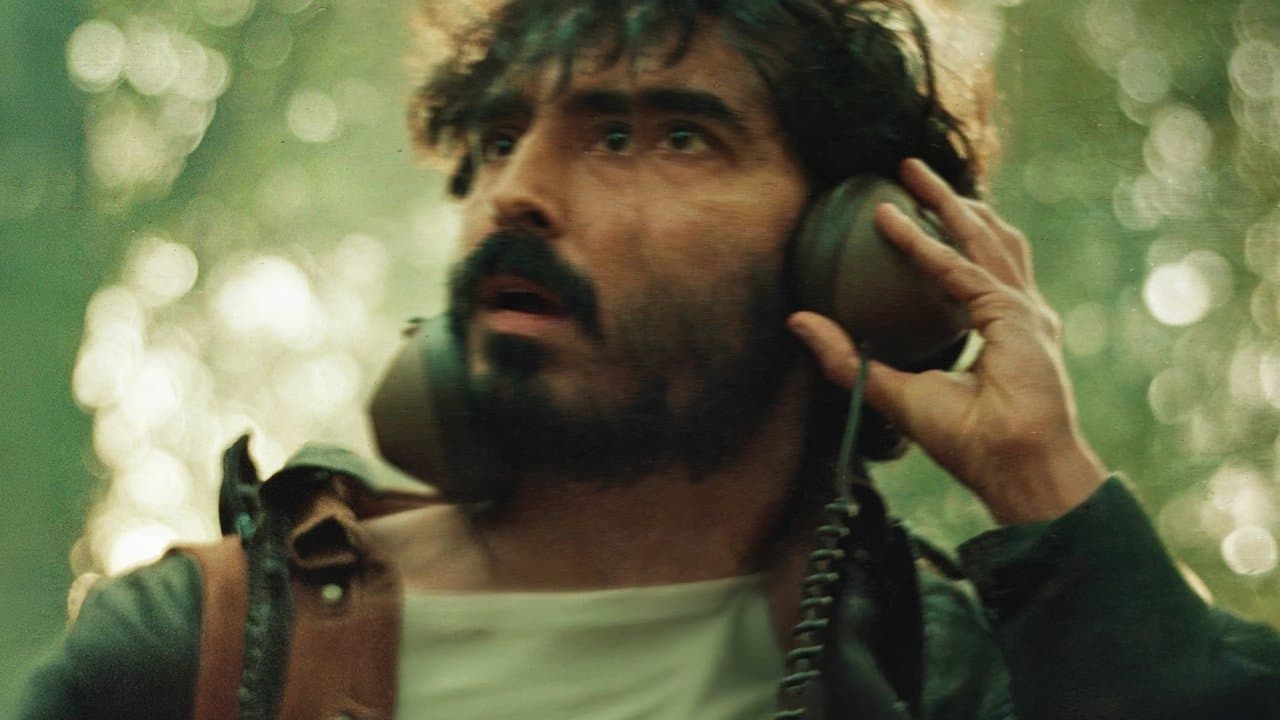
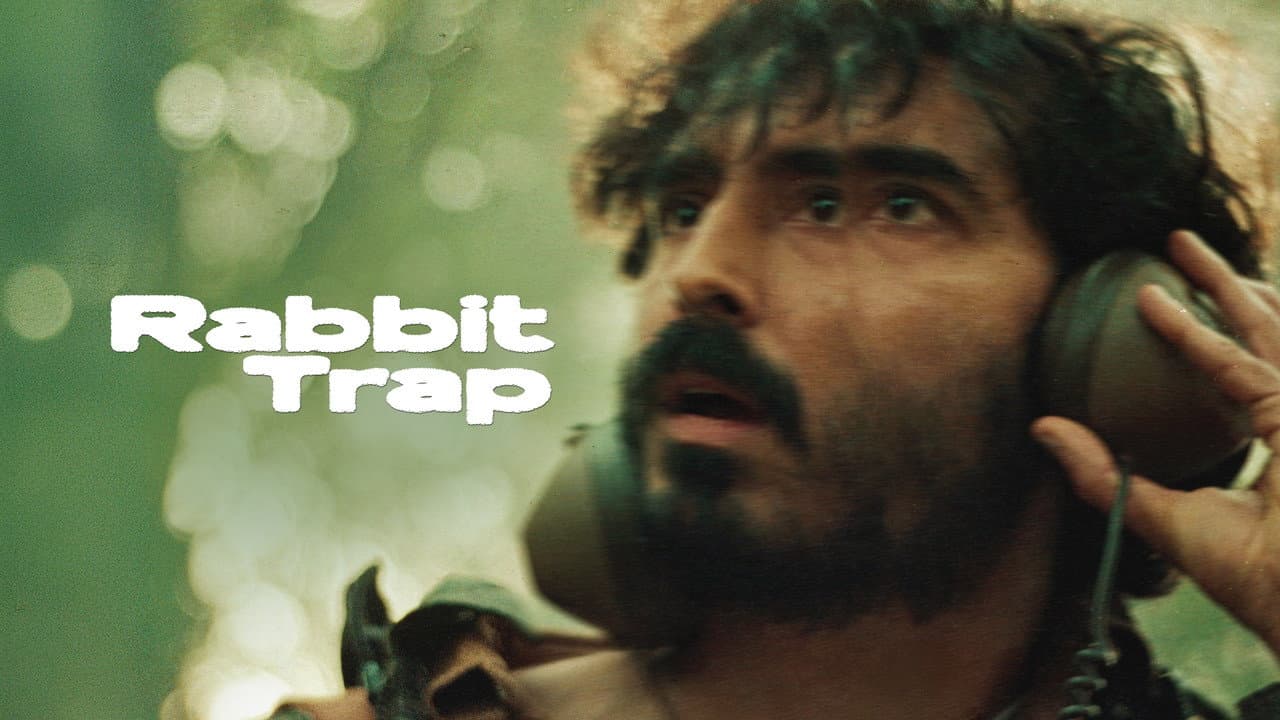
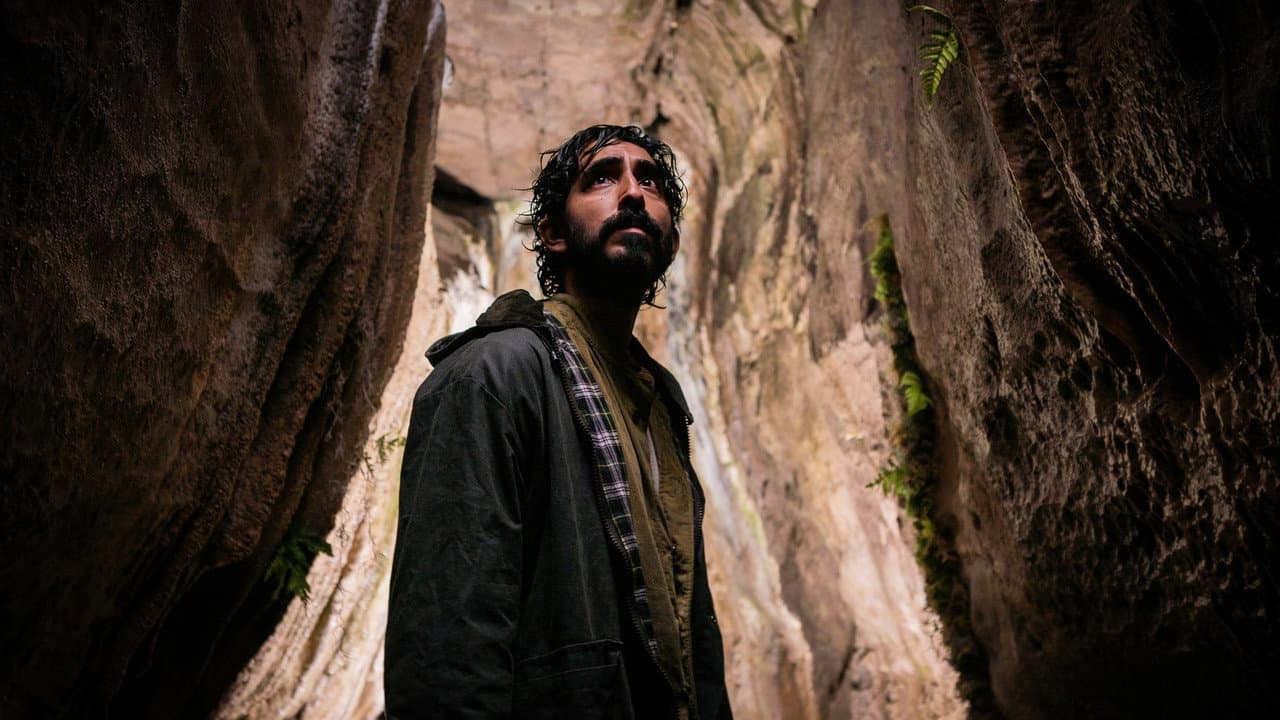
The remote Welsh farmhouse at the center of "Rabbit Trap" has no electricity, no neighbors for miles, and - as of September 12, 2025 - no shortage of things scratching at the door. Bryn Chainey's feature debut, an 88-minute fever dream distributed under the Hollywood banner, strands a married couple of musicians in that crumbling stone house and then lets the music they make wake something that should have been left sleeping.
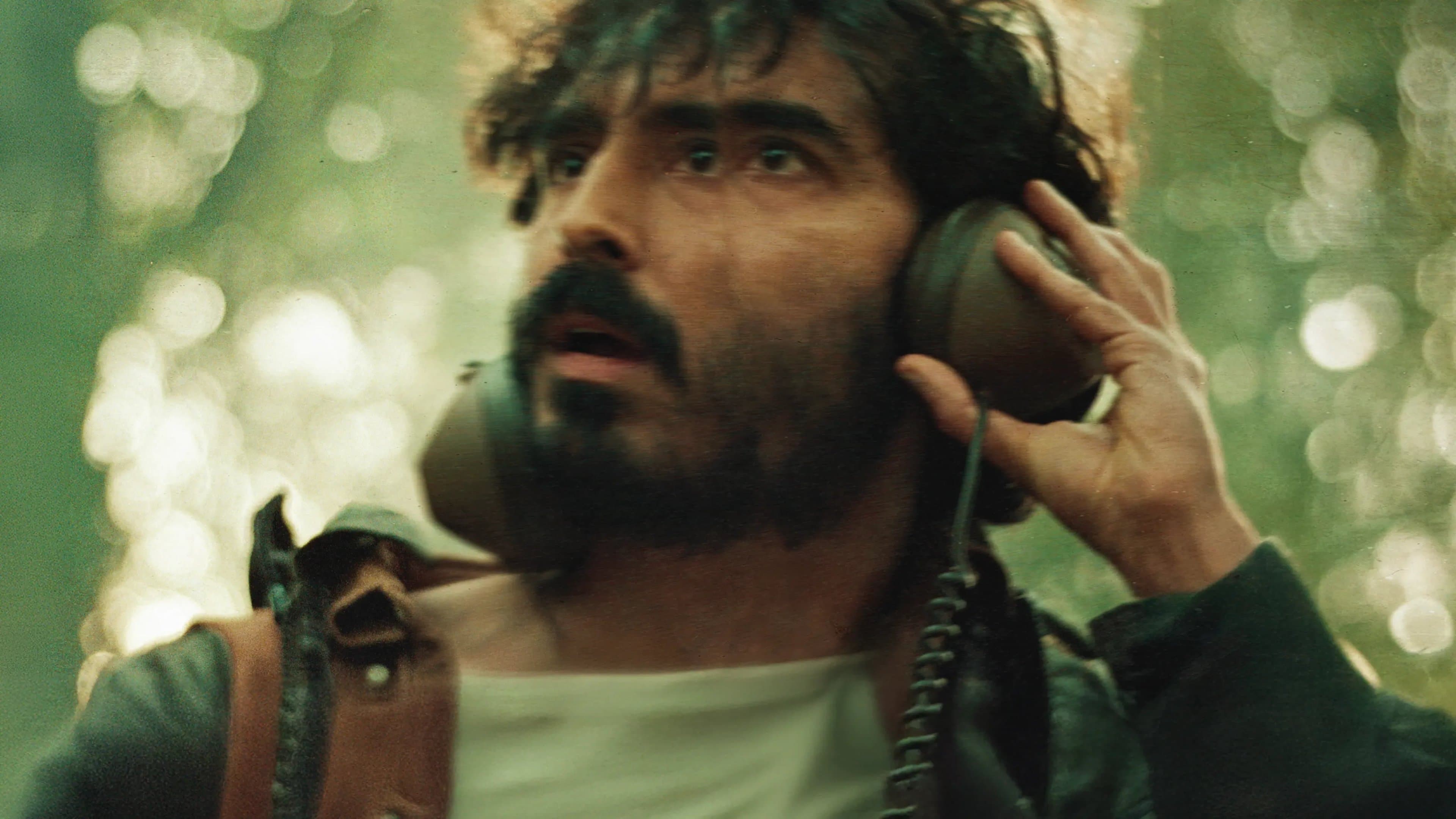
Dev Patel and Rosy McEwen star as Darcy and Daphne Davenport, a couple whose move to the Welsh countryside is meant to be a reset. He's a sound engineer chasing solitude; she's a musician chasing the album that will finally say what she means. They bring tape machines, synthesizers, and the particular arrogance of artists who believe a place is empty until they fill it with themselves. They are wrong almost immediately.
The folklore at work here is old and specific. Local tradition holds that certain patterns of sound - repeated melodies, layered harmonies, the sort of thing a looping pedal produces without much effort - can thin the boundary between the living world and whatever hums on the other side of it. Chainey, who wrote the screenplay as well as directing, treats this not as a haunted-house gimmick but as an ecological fact, like a ley line or a flood plain. The music isn't summoning anything. It's disturbing it, the way a drill disturbs a hive.
What arrives is a child. Jade Croot plays the nameless figure who shows up at the Davenports' door one night, barefoot and patient, with a stillness that reads less like innocence than like something imitating it. The child wants in. Not violently - at first. The film's horror is domestic and incremental, built out of small permissions granted and never revoked: a bowl of soup, a place by the fire, a lullaby hummed in a hallway at 3 a.m. Croot, in what amounts to a near-silent performance, does remarkable work with posture alone. She stands the way a sound stands in a room after the instrument has stopped.
Nicholas Sampson rounds out the cast as a figure credited only as The Shadow, and the film is smart enough to keep him at the edges, a shape glimpsed between trees or reflected in a dark window. Chainey understands that the moment you explain the man in the shadows is the moment you lose him.
"Rabbit Trap" belongs to a lineage that runs from British folk horror through the more recent strain of rural psychological thrillers, but it's less interested in ritual than in process. Daphne's creative method - record, layer, loop, listen - becomes the film's engine. Every pass through the tape is another knock on the wrong door. The result is a movie that's genuinely interested in how art gets made, which makes the ugliness of what the art attracts land harder. This is not a story about a haunted house. It's a story about people who haunted it first.
The technical package is lean and effective. The sound design does most of the heavy lifting, which is only fitting given the premise; the mix plays with proximity, so that whispers sometimes arrive closer than the faces speaking them. Cinematography favors natural light and long, patient frames of the Welsh landscape, all wet gray hills and low sky, a country that looks like it's remembering something. At 88 minutes, the film moves with intent and doesn't linger to admire its own handiwork, though a few threads - Darcy's backstory, the specifics of the local magic - dangle by the end.
TMDb users have rated it 5.607 out of 10, a split that tracks with the movie's polarizing instincts. "Rabbit Trap" is not built to please a broad audience. It's a slow-burn, ambiguous, distinctly regional piece of work made within the Hollywood system - an odd and interesting fit that may explain some of the division.
What's not in dispute is what Chainey has accomplished formally. In a landscape of horror films that explain themselves to death, "Rabbit Trap" trusts its audience to hear what's wrong before they can name it. It's a first feature with the confidence of a much later one, and it announces a filmmaker worth following - even if you'd never want to follow him into that house.