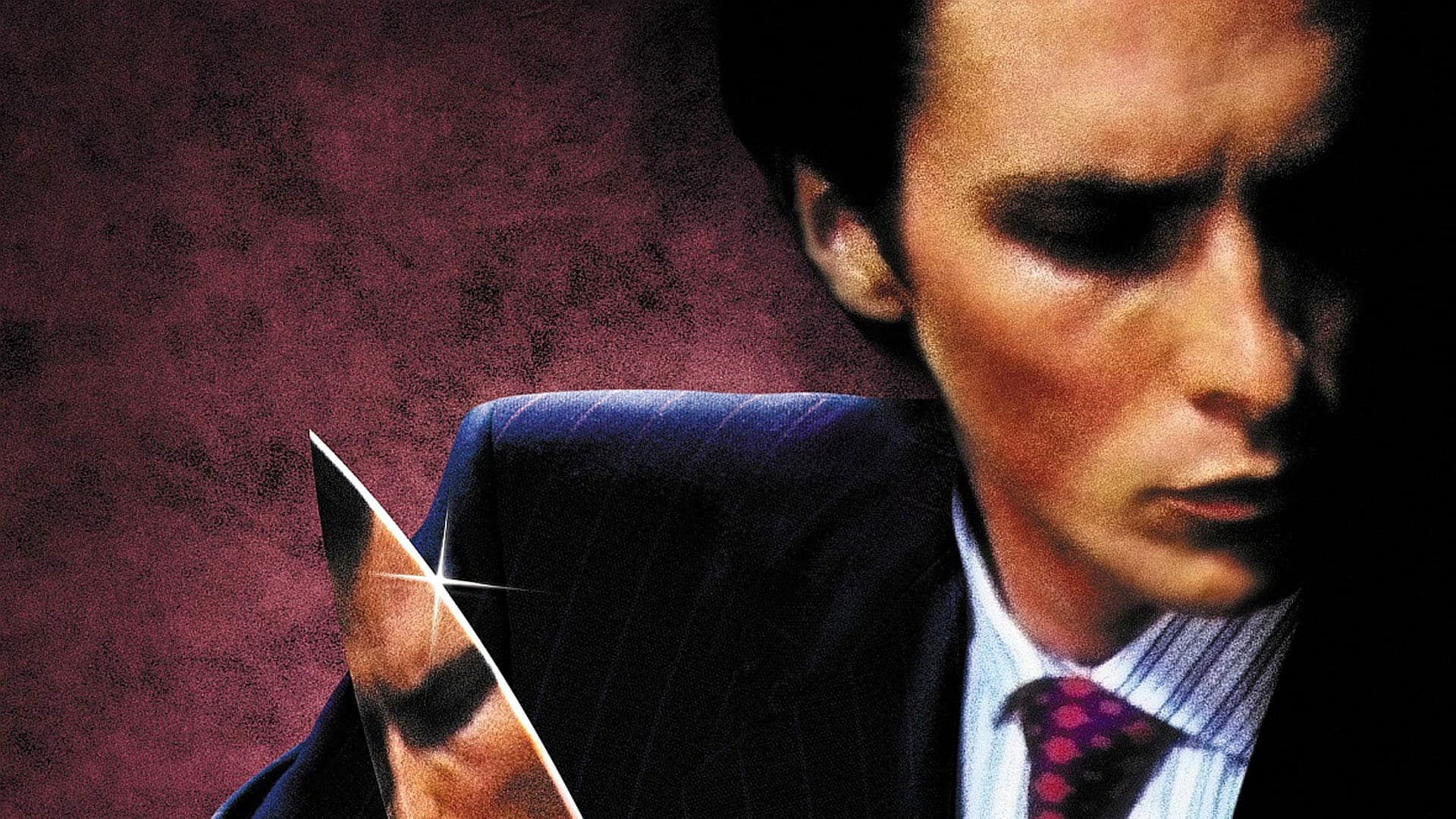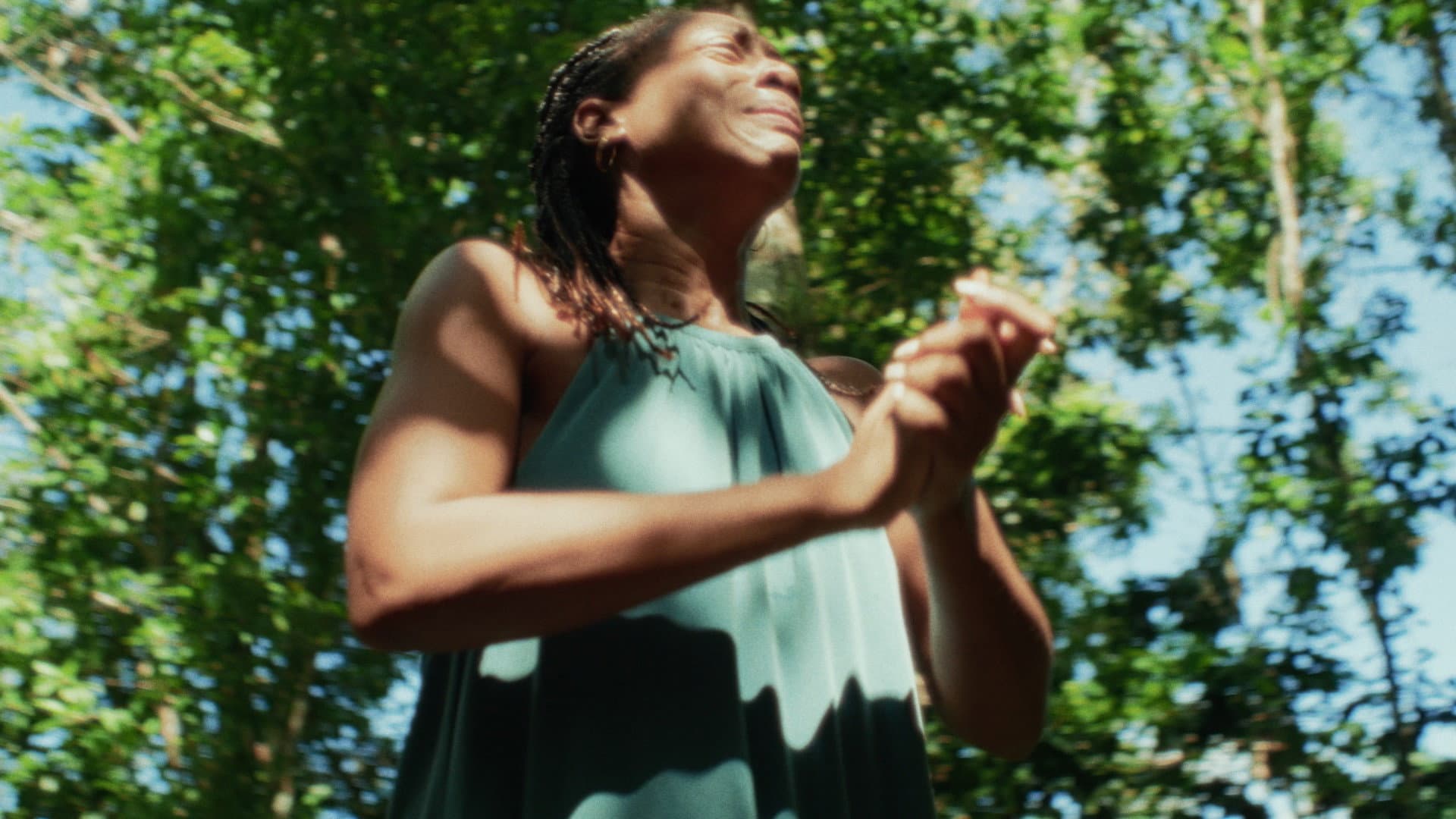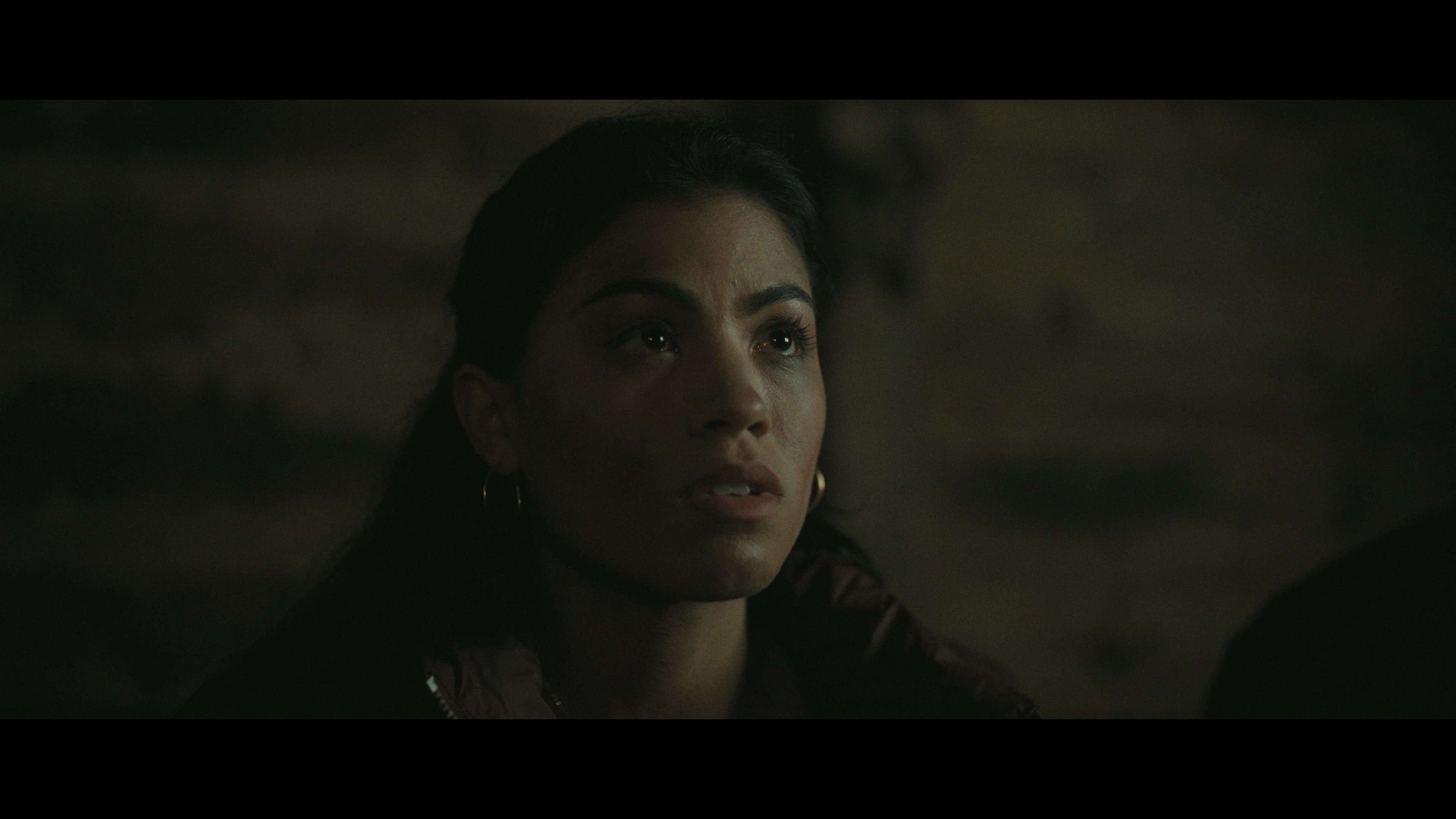
The cabin has been waiting for them. That's the first thing you notice in the quiet, deliberate trailer for "You Can't Leave," the new horror-mystery-thriller from director Scott Windhauser that opened in theaters on October 16. It's not a cabin that creaks and groans like the ones in a dozen other films. It sits in near silence, deep in a forest that seems to have swallowed every other sound, and it's exactly where a group of friends end up after someone they love goes missing.
Windhauser, who has spent much of his career working in tight, character-driven thrillers, is playing with familiar material here but with a cast that suggests he wants the film to land on the strength of its people rather than its jump scares. Spencer Boldman leads as James, the one who organizes the search. Paola Andino plays Olivia, Taylor Murphy is Sophia, Cameron Inman is Gabby, and Kristos Andrews rounds out the group as Aiden. Joe Nemmers appears as Henry, a name that carries a certain weight in a story about an abandoned cabin and an ancient evil that has been waiting patiently for fresh company. What the film does with Henry is one of the questions audiences have been chewing over since opening weekend.
The setup is simple, almost elemental. A friend goes missing. A search begins. A dark forest refuses to give up its secrets. And then, as night falls, the shadows start to move. The film runs 99 minutes, and Windhauser uses that time to build a slow, creeping dread rather than front-loading the horror. Early scenes are about the group dynamic: who trusts whom, who wants to turn back, who insists on pressing forward. By the time the cabin reveals what it's been hiding, the audience is already invested in whether these people make it out, which is precisely the point.
What's interesting about "You Can't Leave" is the space it occupies in the current horror landscape. It isn't a franchise starter, and it isn't a remake. It's an original story with a small cast and a single location, and it leans on atmosphere and performance over spectacle. That approach has earned it a 6.8 rating on IMDb, a number that suggests audiences are responding to the film's restraint even if it hasn't become a cultural event. The TMDb rating sits at 0/10, a reflection of the platform's still-limited user activity for the title rather than any audience rejection. For a mid-budget thriller released in the crowded fall window, the film's footprint has been modest but persistent.
Andino, in particular, has drawn attention. Olivia is the emotional center of the group, the one who keeps insisting the missing friend is still alive even as the evidence piles up against that hope. It's a performance built on small choices: a pause before answering, a refusal to look directly at the tree line. Murphy and Inman bring a nervous energy to Sophia and Gabby that keeps the group scenes from settling into easy alliances. Boldman's James is the reluctant leader, and the film wisely doesn't make him a hero. He's scared, and he makes mistakes, and that's what makes the final act work.
Windhauser has said in the run-up to release that he wanted the forest to feel like a character, and the film's sound design does much of that work. There's a sequence in the middle of the second act where the group realizes they've been walking in circles, and the film doesn't need a monster to make it terrifying. The woods themselves are enough. When the cabin does reveal its secrets, the horror is more intimate than explosive, which suits the story's mystery roots.
"You Can't Leave" isn't trying to reinvent the genre. It's trying to remind audiences why they liked it in the first place. A group of people, a dark place, a secret that shouldn't be uncovered. Sometimes that's all you need. The film is in theaters now.