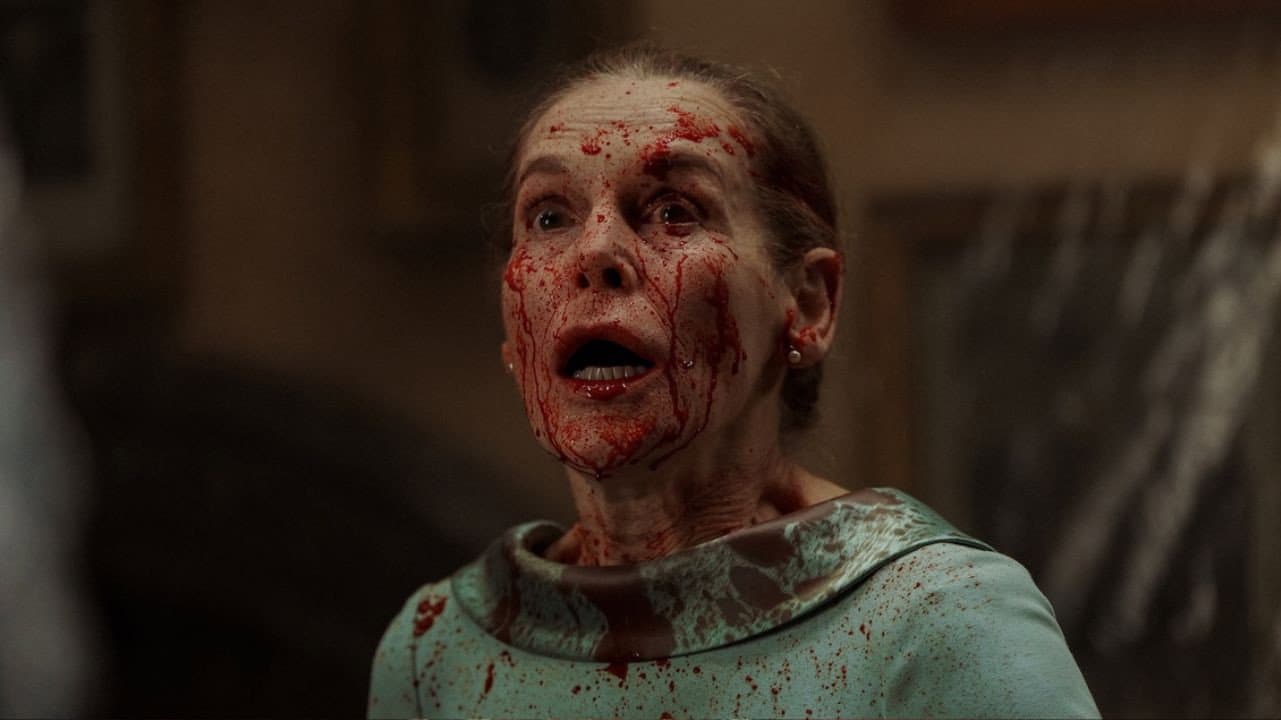
The vampire movie has been declared dead so many times that you’d think a stake had finally found its heart. Then along comes a film like Red Days 2: Cecilia, slipping into theaters on October 12, 2026, with the kind of premise that makes you sit up: a young woman turned vampire during a zombie outbreak, recruited by a shadowy organization and remade into a corporate slayer. It’s a sequel that arrives with a cult reputation already attached to its predecessor, and a leading role that could redefine the careers of everyone involved.
Directed by Brett William Mauser, the film picks up the thread of Cecilia, the character who first appeared in Red Days. When we meet her this time, the world has already collapsed twice over - once from the undead, and again from the vampires who rose in their wake. Cecilia’s transformation isn’t just a plot device; it’s the engine of the story. To survive, she aligns herself with a secret organization that doesn’t simply train her to fight. It turns her into something far more complicated: a corporate slayer, a weapon forged by the very systems that created the chaos.
That setup alone would be enough to fill a B-movie, but Mauser seems to have something more ambitious in mind. The film runs 109 minutes, which suggests a lean, propulsive thriller rather than an overstuffed origin story. The genre tags - Action, Horror, Thriller - paint a picture of a movie that moves fast and hits hard, but the corporate angle gives it an unusual bite. This isn’t just a story about a girl with fangs and a katana. It’s about what happens when the apocalypse becomes a business model.
Nicole Mattox steps into the title role as Cecilia, and the casting feels deliberate. Mattox brings a grounded, physical presence that should serve the character well as she moves from survivor to enforcer. She’s joined by Melissa Dawn Smith as Thane and Lisa Butala as Kim, two names that suggest the kind of tight-knit, morally ambiguous ensemble that these films live or die by. Thane, in particular, sounds like the sort of character who could either be a mentor or a handler - or both, depending on which way the story turns.
What’s most intriguing about Red Days 2: Cecilia is its refusal to treat the vampire myth as a Gothic relic. By folding bloodsuckers into a zombie outbreak and then layering a corporate conspiracy on top, the film positions itself in a lineage of genre-blending action-horrors that treat monsters as symptoms of larger systems. Cecilia isn’t just fighting the undead. She’s navigating an institution that sees her as an asset. That tension - between being a person and being a product - is fertile ground for a thriller, and it gives Mattox something to sink her teeth into, so to speak.
Mauser, who also directed the first film, has a reputation for working efficiently within genre constraints. With Red Days 2, he’s inheriting a world already built and a character already beloved by a niche audience. The challenge is to expand without losing the scrappy energy that made the original connect. The runtime and the streamlined cast suggest he’s opting for focus over sprawl, which is usually the right call for a sequel that wants to stand on its own.
As for the TMDb rating, it currently sits at 0/10 - a figure that reflects nothing more than an absence of votes, not a verdict. The film hasn’t been seen widely enough to generate a consensus, and that’s typical for a genre title in its pre-release window. What matters more is the buzz building around Mattox’s performance and whether Red Days 2 can convert its cult appeal into something broader.
For now, the film is a curiosity with a killer concept and a clear identity. It’s not trying to be a prestige picture. It’s trying to be a sharp, bloody, smart piece of genre filmmaking with a female lead who isn’t waiting to be rescued. If it delivers on that promise, Cecilia might just become the kind of character that horror and action fans keep coming back to - bite by bite, sequel by sequel.